2026 Best Prefab Modern Homes for Sustainable Living Ideas?
Prefab modern homes are transforming the way we think about sustainable living. These innovative structures combine efficiency, design, and eco-friendly materials. They offer faster construction times and less waste than traditional builds. Industry experts emphasize their potential to reduce carbon footprints while maintaining modern aesthetics. However, not every prefab solution reaches its promised sustainability goals. Some models still rely on materials with hidden environmental costs. Choosing the right prefab modern home requires careful evaluation of energy performance and lifecycle impact. As technology advances, these homes become more adaptable to various climates and lifestyles. This evolution challenges builders and buyers to balance convenience with genuine environmental responsibility. Exploring the 2026 best prefab modern homes reveals exciting ideas that push the boundaries of sustainable living. Yet, it also calls for ongoing reflection on how green these innovations truly are.
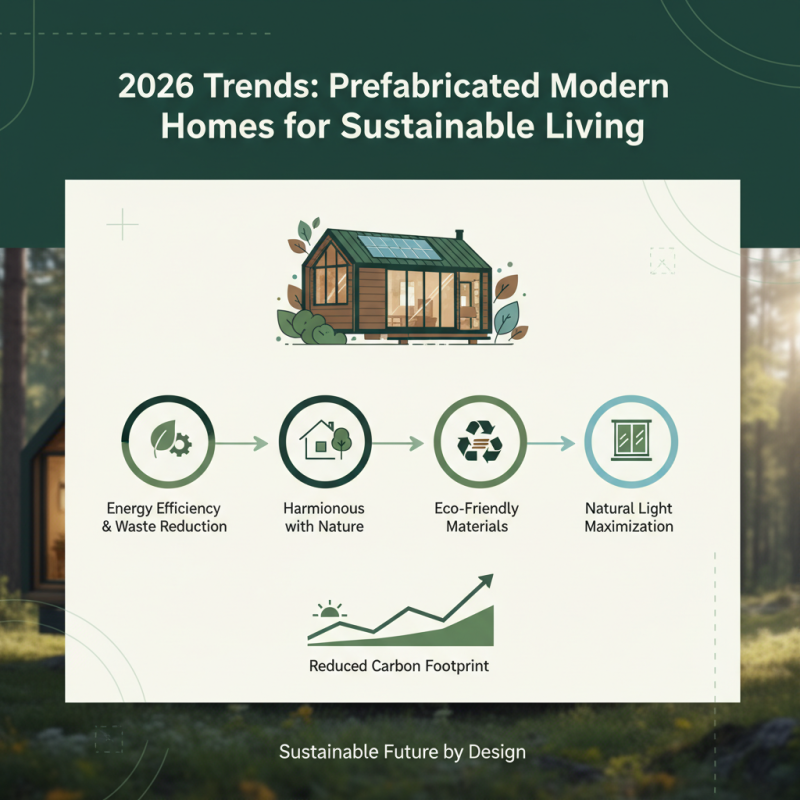
2026 Trends in Prefabricated Modern Homes for Sustainable Living
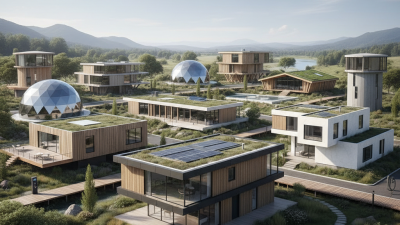
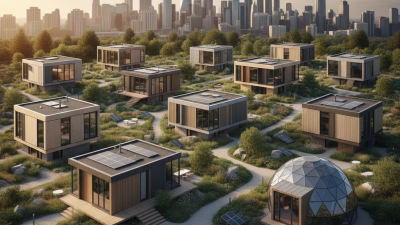
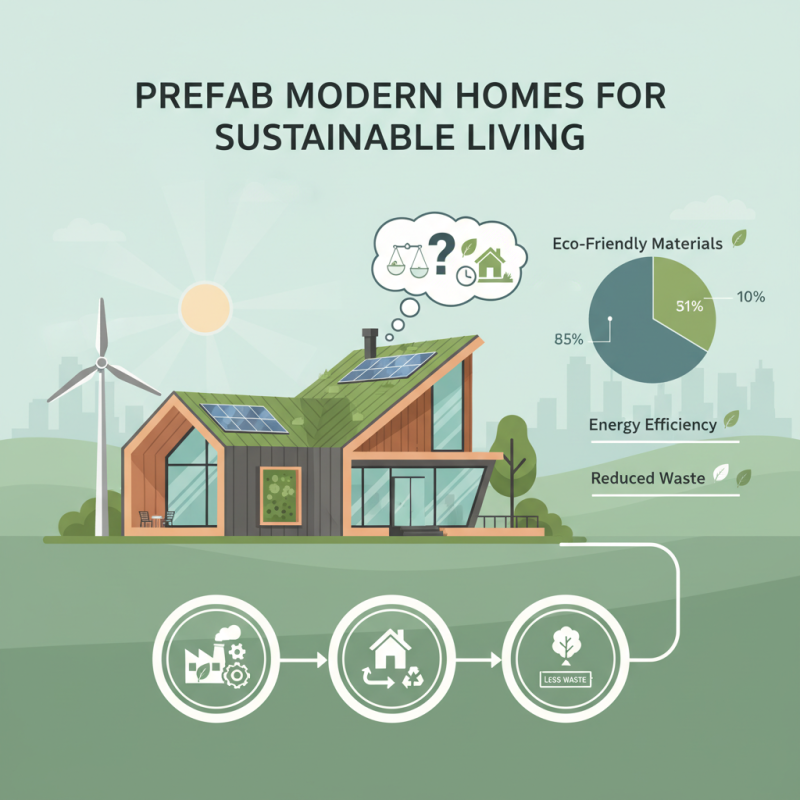
The trend of prefabricated modern homes is emerging as a solution for sustainable living. These homes offer energy efficiency and minimize waste during construction. They are designed to blend with the natural environment, employing materials that are eco-friendly and sustainable. Many designs incorporate large windows, allowing natural light to illuminate spaces, reducing the need for artificial lighting.
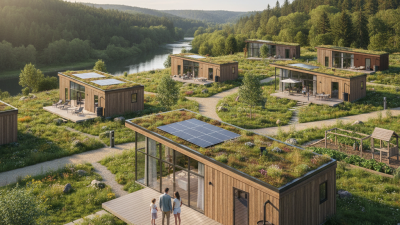
Tips for sustainable living: Opt for homes with green roofs. These not only insulate but also promote biodiversity. Additionally, consider homes with solar panels and efficient energy systems. They help reduce energy costs and carbon footprints.
However, some challenges exist. Prefab homes may seem limited in design options. The perception of these homes can also be negative, with people associating them with temporary structures. Overcoming these biases is essential for wider acceptance. Exploring custom designs or hybrid approaches can address these concerns effectively.
Key Benefits of Prefab Homes in Energy Efficiency and Sustainability
Prefab homes offer a unique opportunity for
energy efficiency and sustainability. These homes are
typically built in factories, which can lead to reduced waste and lower carbon footprints. A
well-designed prefab home utilizes smart materials. These materials
can improve insulation and minimize energy consumption.
Energy-efficient appliances are often included in many
prefab designs. This can significantly reduce long-term utility costs. Solar panel installations are also popular among prefab homeowners. This
renewable energy source can offset traditional energy use, making a home more sustainable. Some designs
incorporate rainwater harvesting systems. These systems help conserve water.
Yet, not all prefab homes prioritize these features.
Despite their advantages, some challenges persist. Local building codes can complicate the installation.
Homeowners might face zoning restrictions that limit possibilities. Additionally, the initial costs may deter some.
Traditional construction methods can seem familiar. It’s essential to weigh the benefits against potential setbacks.
Embracing prefab living requires thoughtful consideration.
Innovative Materials Used in 2026's Best Prefab Modern Homes
The 2026 best prefab modern homes showcase innovative materials revolutionizing sustainable living. Many homes utilize cross-laminated timber (CLT), which is both strong and eco-friendly. A report by the Forest Products Laboratory indicates that CLT can reduce greenhouse gas emissions by 60% compared to traditional materials. This makes it a top choice for environmentally conscious builders.
Another trend is the use of recycled steel. Steel framing offers durability, but when recycled, it diminishes the carbon footprint significantly. A study by the American Iron and Steel Institute reveals that recycling steel cuts energy consumption by 74%. Additionally, prefab homes often incorporate insulated concrete forms (ICFs), enhancing energy efficiency. This approach can reduce heating and cooling costs by up to 50%.
Tip: Consider using local materials to further minimize transportation emissions.
The integration of solar panels and green roofs is also noteworthy. These features not only provide energy efficiency but foster biodiversity. However, homeowners should recognize that maintenance is needed. Not every material ages gracefully, so it is essential to select options that align with the climate of your location.
Tip: Conduct thorough research on the longevity of materials used in construction.
The Role of Smart Technology in Sustainable Prefabricated Living Spaces
Smart technology plays a crucial role in sustainable prefabricated living spaces. These innovations enhance energy efficiency and reduce environmental footprints. For example, smart thermostats can optimize heating and cooling, adjusting based on occupancy. This simple yet effective tech can lead to significant energy savings over time.
Tips: Consider integrating solar panels for clean energy production. Smart appliances that track energy use can further minimize waste. Think about water-saving fixtures as well. Small changes can have a big impact on sustainability.
While many modern prefab homes emphasize design and efficiency, not all tech implementations are flawless. Some may struggle with compatibility issues or technical glitches. Homeowners should seek user-friendly solutions that can be easily integrated. Researching viable options helps avoid unnecessary frustration.
Prioritize systems that offer warranty and support for long-term reliability.
Investing in technology for sustainable living can yield great benefits. It’s important to stay informed about advancements. Continuous adaptation can lead to more efficient and eco-friendly homes. Remember, living sustainably is an ongoing journey, not a destination.
Case Studies: Successful Sustainable Prefab Homes in 2026
Prefab homes are gaining traction as a sustainable living solution. In 2026, numerous case studies showcase the effectiveness of these structures. For example, one community in the Pacific Northwest has reported a 40% reduction in energy consumption compared to traditional homes. Prefab designs often incorporate high-performance insulation and renewable energy sources, reducing reliance on fossil fuels.
One standout project features homes made from recycled materials, significantly lowering carbon footprints. The average greenhouse gas emissions for these homes are 30% lower than those of conventional builds. However, while many prefab designs promise sustainability, some lack comprehensive planning. Issues can arise with local building codes, leading to delays and increased costs.
Materials used in prefab homes often come from distant suppliers. This may negate some sustainability benefits due to transportation emissions. A focus on locally sourced materials can enhance the green credentials of such projects. Nevertheless, the potential for innovation in prefab housing is exciting. Modern technology can help address these challenges, making them more adaptable and efficient for the future.