2026 Best Small Homes Trends and Designs for Modern Living?
As we approach 2026, small homes are becoming more significant in modern living. The need for efficient, compact spaces is rising. Urbanization and rising real estate costs drive this trend. People seek functional designs that maximize every square inch.
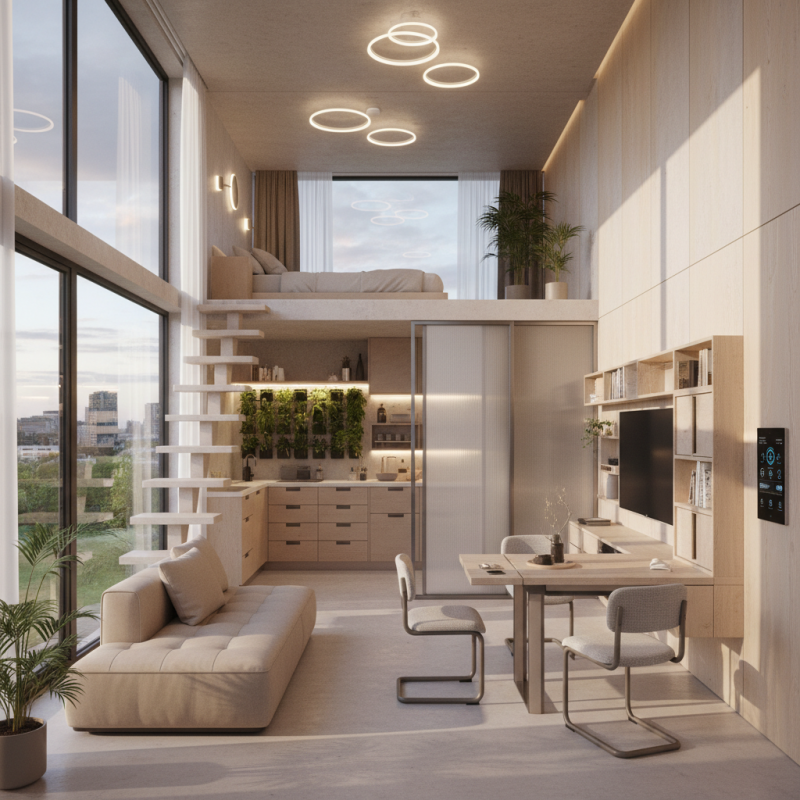
Small homes combine aesthetics and practicality. They embody minimalist living while offering comfort. Innovative layouts and smart storage solutions are essential. Natural light and open spaces can enhance the feeling of spaciousness. Yet, it is crucial to balance style with utility.
However, embracing small living can have challenges. People may struggle to adapt to reduced spaces. Clutter can accumulate quickly without proper organization. Reflecting on personal needs and habits is vital. The journey towards a small home can teach valuable lessons about simplicity and mindful living.
The Rise of Small Homes: Analyzing Market Trends in 2026
The shift towards small homes is noteworthy. In 2026, many prioritize efficiency over space. Larger homes are losing appeal as minimalist living gains traction. People seek functional designs that maximize every square foot. This trend reflects a desire for simplicity and a more sustainable lifestyle.
Small homes promote community interaction. When living in less space, families connect more. Shared gardens or communal areas become vital. However, some feel cramped or isolated in tiny living environments. Finding balance is essential. Each aspect of design must serve a purpose.
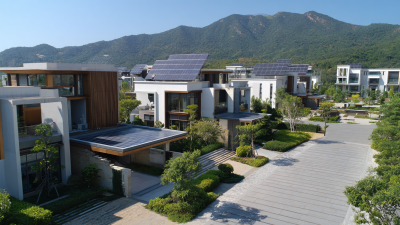
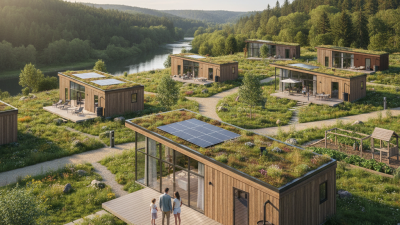
Trends reflect personal values too. Many now embrace eco-friendly materials and designs. Solar panels, green roofs, and rainwater harvesting are common. Yet, the challenge remains. Cost-effective solutions must coexist with aesthetic appeal. In this evolving landscape, small homes represent both struggle and triumph in modern living.
Sustainable Building Materials for Small Home Designs in 2026
As we approach 2026, sustainable building materials will play a crucial role in small home designs. The global market for sustainable materials is expected to reach $400 billion by 2027, according to industry reports. This shift reflects a growing demand for eco-friendly options among homeowners and builders alike. Many small homes will prioritize materials like reclaimed wood, bamboo, and recycled steel. These choices not only reduce environmental impact but also add unique aesthetics to modern living spaces.
The trend also emphasizes energy efficiency. Incorporating sustainable materials can lead to up to 20% lower energy costs annually. For example, homes built with insulated concrete forms can maintain temperature effectively. However, challenges remain, such as the higher upfront costs of some sustainable materials. Homeowners must weigh these factors against long-term savings. Engaging with local suppliers for eco-friendly materials may alleviate some of this burden.
Designers are now incorporating these materials into innovative layouts. Curved walls made from rammed earth offer organic looks. Integrated plant systems can enhance indoor air quality. Yet, the integration of sustainability still requires more research and development. The industry is still grappling with scalability issues and uniform quality standards. The journey toward truly sustainable small homes is ongoing, but it's a path worth exploring.
2026 Best Small Homes Trends and Designs for Modern Living
| Trend |
Description |
Sustainable Materials |
Design Style |
| Green Roofs |
Utilizing vegetation for insulation and reducing heat absorption. |
Soil, native plants |
Contemporary |
| Compact Living Spaces |
Emphasizing multifunctional furniture and layouts. |
Reclaimed wood, bamboo |
Minimalist |
| Solar Integration |
Incorporating solar panels for energy efficiency. |
Photovoltaic panels |
Urban |
| Natural Lighting |
Maximizing natural light with large windows and skylights. |
Energy-efficient glass |
Scandinavian |
| Smart Home Technology |
Integrating IoT devices for efficiency and convenience. |
Sustainable electronics |
Futuristic |
Smart Home Technology Integration in Modern Small Living Spaces
In modern small living spaces, smart home technology is transforming how we live. Imagine controlling the lights, temperature, and security systems from your smartphone. This convenience makes daily routines smoother. Smart speakers can play music and answer questions, all with voice commands. However, integration can be tricky if devices don’t sync properly.
Creating a cohesive smart home involves careful planning. You might start with basic devices like smart bulbs, but frustrations arise when they fail to communicate. Connectivity issues are common in smaller homes with thick walls. Optimizing Wi-Fi is key, but not everyone has the technical know-how.
Moreover, the balance between technology and aesthetics should be considered. While sleek devices enhance modern design, they can clash with your personal style. A tech-heavy space may feel impersonal. Reflecting on your needs can help find harmony in this blend. Embracing smart technology means acknowledging its imperfections and potential frustrations.
2026 Best Small Homes Trends and Designs for Modern Living
2026 Interior Design Trends: Minimalism and Comfort in Small Homes
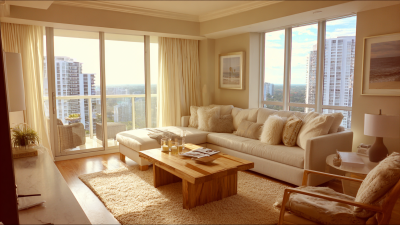
In the world of small homes, minimalism meets comfort. The 2026 trends highlight simplicity while emphasizing warmth. Clean lines in furniture and soft textures create inviting spaces. Think of a cozy chair nestled by a large window. Natural light pours in, highlighting the room’s charm.
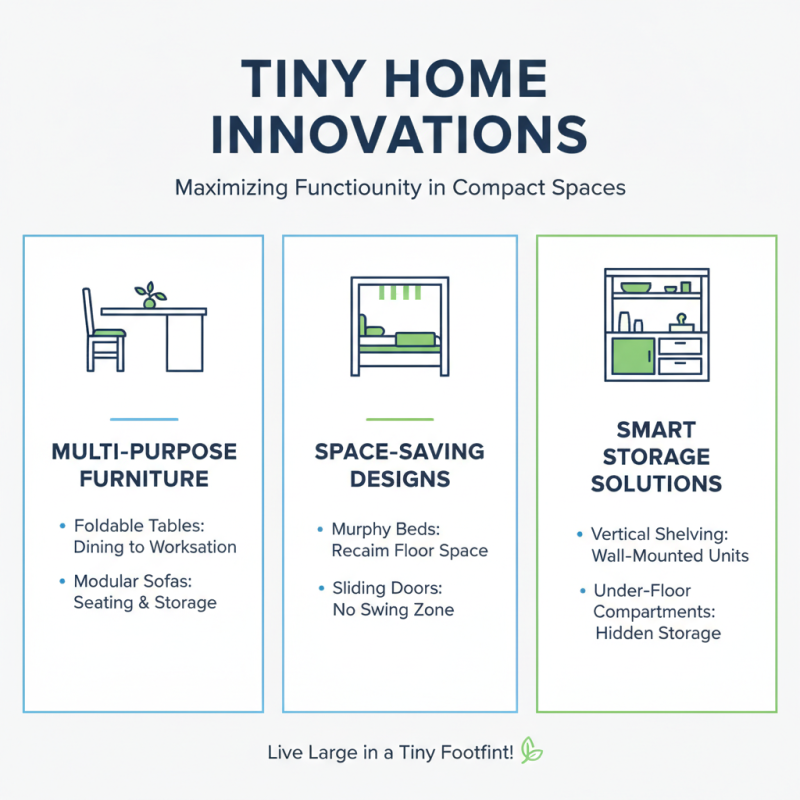
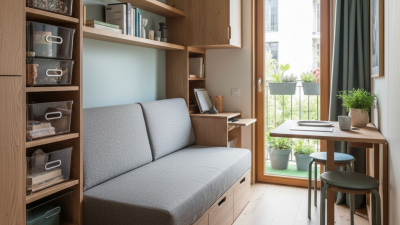
Tips: Use multi-functional furniture. A sofa bed can save space during the day. Incorporating plants adds life and freshness without clutter. Showcasing art on the walls adds personality to your home.
However, achieving minimalism can be a challenge. It requires reflection on what truly matters. A decluttered space often reveals hidden treasures. Sometimes, it means letting go of items with sentimental value. The journey to comfort involves choices that reflect your lifestyle.