What is the Appeal of Small Homes for Modern Living?
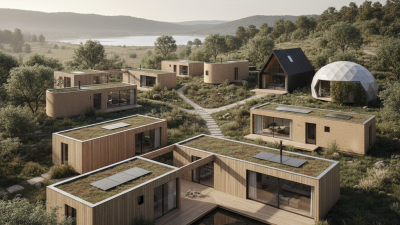
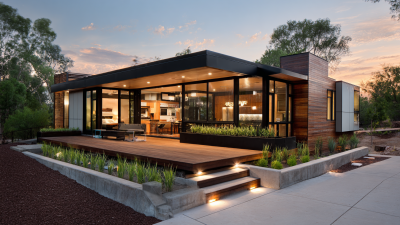
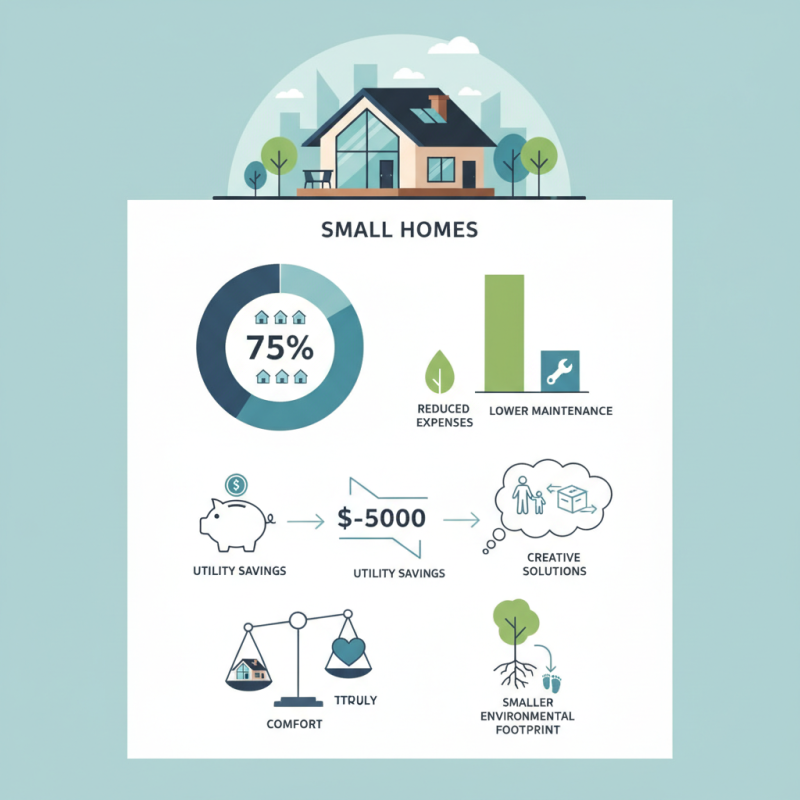
The appeal of small homes has been gaining traction in recent years. In fact, a 2022 survey reported that nearly 75% of homebuyers are considering smaller living spaces. As urban areas grow, space becomes limited. Many see small homes as a practical alternative to traditional housing. These compact structures often promote a simpler lifestyle.
Small homes offer benefits such as reduced expenses, lower maintenance, and a smaller environmental footprint. A study from the National Association of Home Builders indicates that households living in smaller homes save an average of $5,000 annually in utility costs. However, living in confined spaces can present challenges. Families may struggle with storage and personal space, requiring creative solutions.
Moreover, while many are drawn to the minimalist lifestyle, it comes with its own set of concerns. The transition to small homes requires reflection on what truly matters. Balancing comfort and functionality often leads to tough decisions about belongings. Ultimately, small homes represent a shift in modern living, appealing to those seeking simplicity amid chaos.
The Rise of Small Homes in Contemporary Society
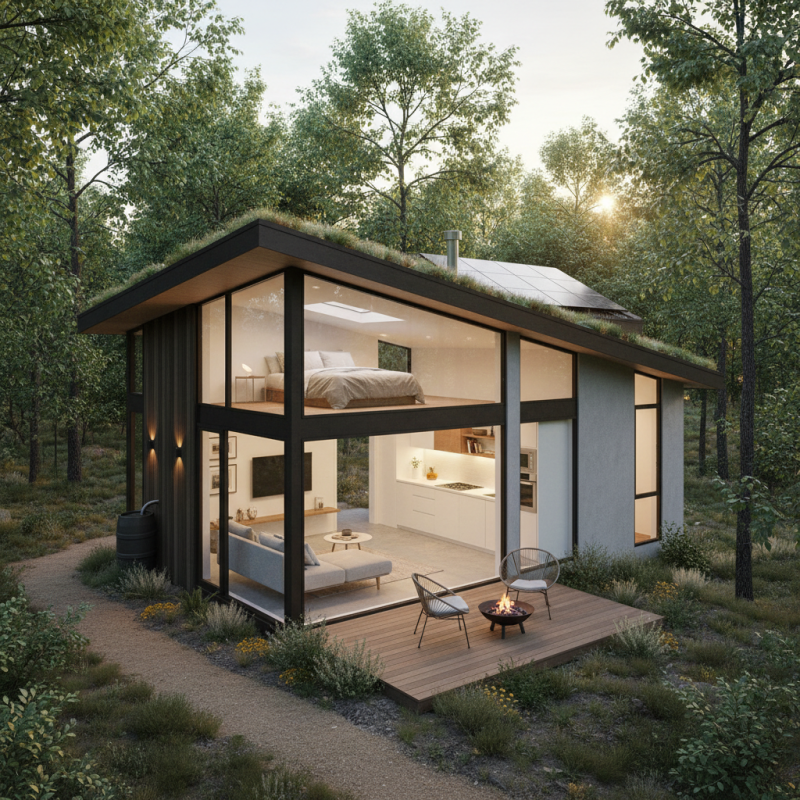
In recent years, small homes have gained significant popularity in contemporary society. According to a report from the National Association of Realtors, about 37% of home buyers are now opting for homes under 1,500 square feet. This shift reflects a growing desire for minimalist living. Many people are seeking to simplify their lives and reduce maintenance costs. Smaller homes can provide a cozy atmosphere while promoting sustainable living.
The appeal of small homes also lies in their affordability. As housing prices continue to rise, the average price for a small home is roughly $250,000, according to the U.S. Census Bureau. This price point attracts first-time buyers, who want to invest without taking on massive debt. Additionally, smaller homes often come with lower utility bills. This can lead to long-term savings. However, it’s crucial to consider space limitations. A smaller home means less storage and fewer rooms. Buyers must reflect on their lifestyle needs before making a decision.
Tips: When considering a small home, visualize your daily routine. How do you use space? Keep only what you need. Consider multifunctional furniture to maximize utility. Embrace the challenge of decluttering. Living in a smaller space may require sacrifices, but it often leads to a more focused and intentional lifestyle.
Benefits of Downsizing: Financial and Environmental Considerations
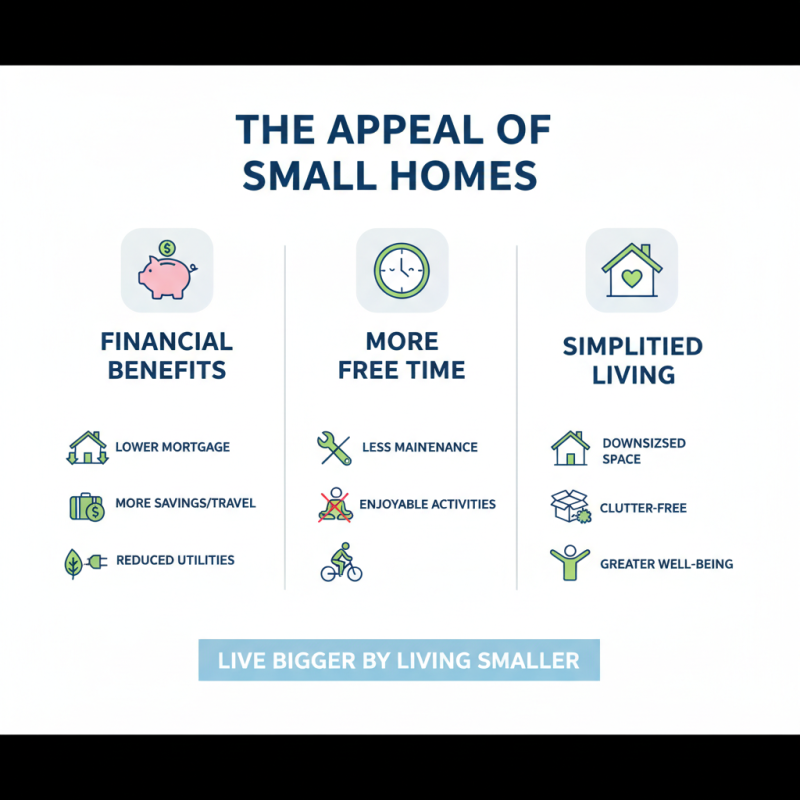
In recent years, many people have started to appreciate the appeal of small homes. Downsizing offers notable financial benefits. A smaller space typically results in lower mortgage payments. This can free up extra cash for savings or travel. Monthly utility bills also decrease, making living easier on the wallet. Less maintenance work means more time spent on enjoyable activities.
Environmental considerations are another strong factor. Small homes require fewer resources to build and maintain. They consume less energy, resulting in a smaller carbon footprint. Living in a compact space encourages efficient use of materials. However, it's not always a perfect solution. Many struggle with the transition to a smaller lifestyle.
Decluttering can be challenging. Letting go of sentimental items is tough. Emotional attachments can complicate choices. Smaller homes require one to rethink their possessions. It’s a process that encourages mindfulness. However, not everyone finds this easy. The journey toward downsizing can teach valuable lessons about self-awareness and living with intention.
Design Innovations in Small Homes: Maximizing Space and Functionality
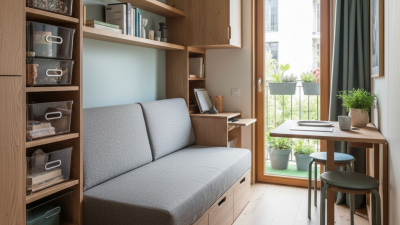
Small homes are becoming a popular choice for modern living. Design innovations play a crucial role in this trend. Maximizing space and functionality is key. Creative designs can make small areas feel larger. Open floor plans help in creating an illusion of space. Many small homes use multi-functional furniture. A sofa that converts to a bed can save room. Tables that fold away are also a great idea. These innovations transform the way we utilize every inch.
Storage solutions need to be clever. Floating shelves provide space while keeping the floor clear. Nooks and crannies can be used for storage as well. However, it’s important to remember that simplicity may come with challenges. A smaller space can feel crowded quickly. It requires thoughtful planning to avoid clutter. Smaller homes often lack certain comforts found in larger spaces.
Ultimately, the appeal of small homes lies in their efficiency. They encourage intentional living. Each piece of furniture serves a purpose, which is rewarding. Yet, it’s essential to balance minimalist design with personal touches. Finding this balance may take time. Experimenting with layouts and designs can lead to the ideal small home experience. Choosing a few meaningful items can enhance the space while keeping it functional.
Psychological Impact: Simplifying Life and Reducing Stress
The allure of small homes lies heavily in their ability to simplify our lives. Living in a smaller space encourages us to declutter. Each item becomes more meaningful. Essential possessions gain importance, while excess fades away. This intentional living reduces the chaos often found in larger homes. A minimalist mindset nurtures peace of mind.
Psychologically, small homes foster a sense of safety and comfort. The cozy environment can reduce anxiety levels. It offers a retreat from the fast pace of modern life. However, it’s not always perfect. Transitioning to a minimalist lifestyle can be challenging. Letting go of items we’ve held onto can induce stress. But, as we slowly release attachments, we often discover clarity.
Embracing small living means engaging with our space differently. It invites creativity and resourcefulness in design. Each corner must serve a purpose, making us rethink our habits. While there may be moments of frustration, the journey toward simplicity holds rich rewards. Seeking balance amid constraints can lead to deeper reflections on what truly matters.
What is the Appeal of Small Homes for Modern Living? - Psychological Impact: Simplifying Life and Reducing Stress
| Aspect |
Impact |
Percentage of Individuals Affected |
Benefits |
| Minimalism |
Decreased anxiety and decision fatigue |
70% |
Increased focus on essentials |
| Space Management |
Enhanced organization and efficiency |
65% |
Easier maintenance |
| Connection with Nature |
Improved mood and well-being |
80% |
Better mental health |
| Financial Freedom |
Less financial stress and debt |
75% |
Increased savings |
| Social Interaction |
Greater sense of community |
60% |
Improved relationships |
Community and Connection: The Social Appeal of Smaller Living Spaces
Living in small homes promotes a unique sense of community. These spaces encourage residents to interact. With limited room, neighbors often gather in shared areas. Casual encounters in hallways or gardens spark friendships. This connection enhances our daily lives.
Moreover, smaller homes often lead to more intentional living. Without excess, people focus on what truly matters. The simple act of sharing meals or enjoying a backyard barbecue becomes special. Yet, this lifestyle isn't without challenges. Privacy can be fleeting, and solitude may feel scarce at times. Adjusting to these dynamics requires effort and understanding. Embracing this can foster deeper relationships.
Ultimately, small living spaces offer both joy and struggle. They challenge norms and reshape our understanding of home. Finding balance takes work, but the rewards can be profound. It's a journey worth considering in modern society.
Appeal of Small Homes for Modern Living