Top 10 Benefits of Modular Build for Global Buyers?
As the construction industry evolves, "modular build" has emerged as a game-changer for global buyers. According to Dr. Emily Thompson, a renowned expert in modular construction, "Modular builds not only save time but also enhance design flexibility, crucial for today’s market demands." This innovative approach allows for pre-fabrication of building components in a controlled environment, significantly reducing on-site construction time.
By adopting modular build techniques, companies can expect reduced labor costs and heightened efficiency. This method results in faster project completion, which is vital in a fast-paced economy. Furthermore, modular builds are often more sustainable, leveraging eco-friendly materials and minimizing waste.
However, not all modular builds are created equal. Potential drawbacks include design limitations and a reliance on the quality of the manufacturing process. Buyers must choose their partners carefully to ensure that the final product meets their expectations. This balance of benefits and challenges makes the modular build landscape complex but rewarding for informed buyers.
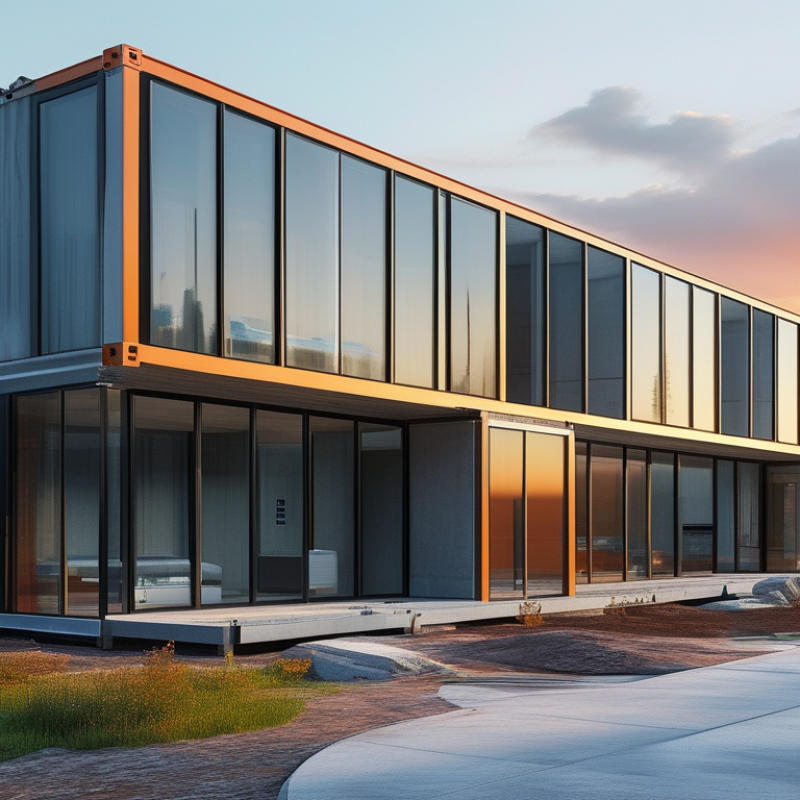
Advantages of Modular Building in Global Markets
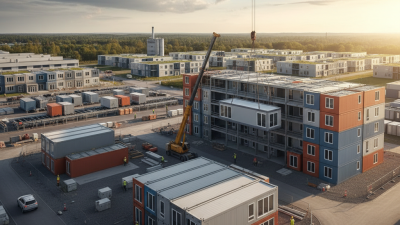
The global market has embraced modular building for its unique advantages. One of the key benefits is speed. Modular construction is typically faster than traditional methods. Factories can build sections while site preparations happen concurrently. This overlap reduces overall project timelines significantly. As a result, buyers can see faster returns on their investments.
Another important aspect is flexibility. Modular buildings can adapt to various needs. They can be expanded or reconfigured with relative ease. This is particularly useful for companies that face changing demands. Importantly, large buyers may find this adaptable design a game changer. It allows them to plan for future growth without significant delays. Quality control also improves since modules are built in controlled environments.
Sustainability is another crucial factor. Modular construction often uses fewer materials and reduces waste. However, this can pose challenges as well. Some designs may lack aesthetic appeal or fail to fit specific local regulations. Buyers must carefully consider these aspects. It’s essential to ensure that projects not only meet immediate demands but also align with long-term strategies. With the right approach, modular building offers significant benefits in today’s dynamic global marketplace.
Cost Efficiency Through Modular Construction Techniques
Modular construction offers significant cost efficiency for global buyers. By prefabricating components off-site, projects can be completed faster and with reduced labor costs. This method minimizes material waste, as precise planning leads to better resource management. Real-world examples show reductions in construction time by as much as 50%. This rapid completion translates into quicker returns on investment.
However, challenges remain. Quality control can vary between manufacturers. It’s crucial for buyers to choose reliable partners. Subpar materials can lead to long-term issues. Effective communication is essential for ensuring that every module meets building codes and standards. Inadequate attention to detail during the design phase may result in costly modifications later. Buyers should weigh these risks against the potential savings, making informed decisions that truly reflect their needs in modular construction.
Speed and Flexibility of Modular Building Projects
The speed and flexibility of modular building projects have transformed the construction landscape. According to a McKinsey report, modular construction can reduce project delivery time by 20% to 50%. This efficiency arises from simultaneous site preparation and component fabrication. Projects that once took years to complete can now be finished in mere months, meeting urgent market demands.
However, the rapid pace comes with its challenges. While faster construction can minimize carrying costs, it raises questions about quality control. Accelerated timelines may tempt some to overlook vital details in favor of speed. A study from the Boston Consulting Group indicates that investing in quality inspections can mitigate these risks and enhance project sustainability.
Tips for buyers include understanding local regulations. Each region may have specific requirements for modular buildings. Proper research can help avoid costly delays. Additionally, embrace technology during the planning stage. Advanced software can streamline communication, track progress, and maintain flexibility throughout the project lifecycle.
Sustainability and Environmental Impact of Modular Builds
Modular building offers significant sustainability advantages. It generates less waste compared to traditional construction. Each module is built off-site, where debris is easier to manage. This controlled environment leads to less disruption in construction zones. Moreover, this efficiency reduces the carbon footprint associated with transport and site preparation.
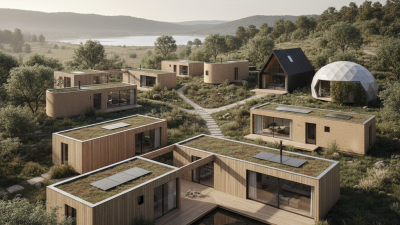
The environmental impact of modular builds extends to energy efficiency. Many modular designs integrate sustainable materials and technologies. Green roofs and solar panels are often incorporated. This not only benefits the environment but also lowers energy costs for residents. However, there is a need to ensure these materials are sourced ethically and sustainably. Buyers should consider the lifecycle of materials used.
Challenges exist in the modular approach. Not all regions have the necessary infrastructure for modular construction. This can hinder the potential benefits. Furthermore, buyers must vet manufacturers for their sustainability practices. Not every company prioritizes eco-friendly methods. Engaging with reliable sources can help inform better choices. More transparency in the supply chain is essential for true sustainability.
Enhanced Quality Control in Modular Construction Processes
In the realm of modular construction, enhanced quality control stands as a significant advantage for global buyers. Unlike traditional methods, modular builds are created in controlled environments. This leads to greater consistency in materials and workmanship. Variations in quality caused by weather or site conditions are minimized.
Stringent quality checks are integral to this process. Factories implement standards at every stage of production. These include inspections for structural integrity and finishes. This consistent evaluation reduces the risk of defects. Buyers can trust that the end result meets stringent specifications.
Tip: Always inquire about the quality control procedures of your modular builder. Transparent processes are a good sign of reliability.
Moreover, modular construction enables rapid identification of issues. Any deviation from the expected output can be quickly rectified. This proactive approach helps in maintaining high quality. However, some may argue that factory settings remove the human touch, leading to less unique designs. Reflection on this aspect can guide buyers in their selection process.
Tip: Consider balancing cost and creativity. Weigh the benefits of efficiency against the desire for custom features.