2026 Best Backyard House Designs for Your Dream Outdoor Space?
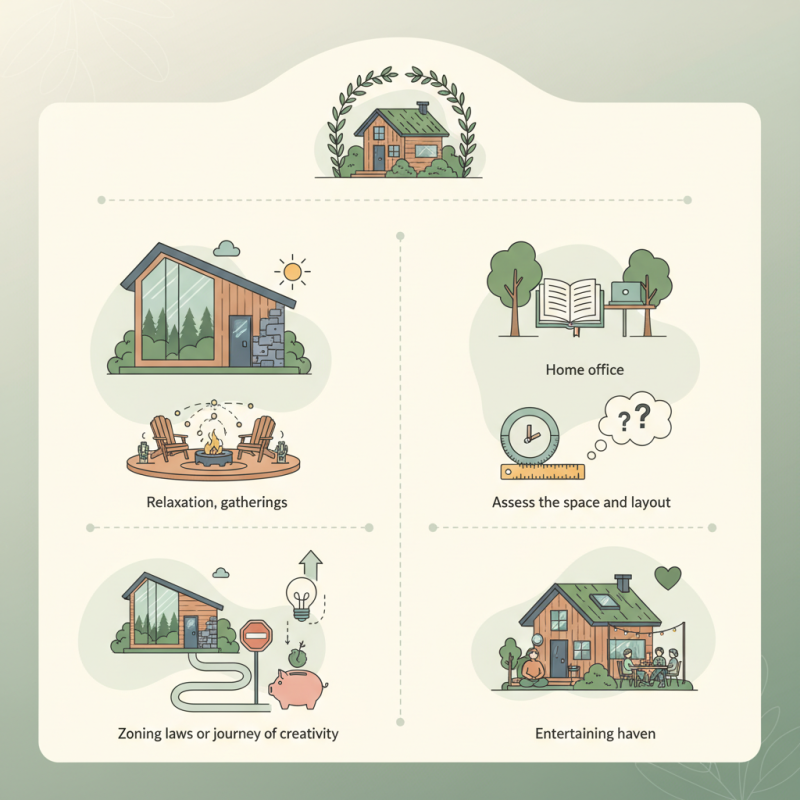
Creating the perfect backyard house is a dream for many homeowners. Your outdoor space should reflect your style and needs. It’s a place for relaxation, gatherings, or even a home office. In 2026, innovative designs for backyard houses are emerging.
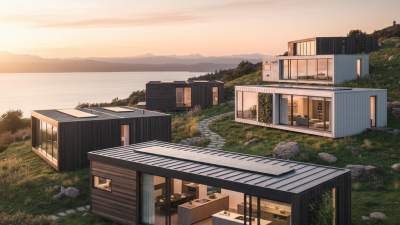
Imagine a cozy retreat with natural materials. Large windows can let in sunlight and offer beautiful views. You might consider features like a small deck or a fire pit, which invite connection with nature and space for gatherings. However, not all ideas will fit every yard. It’s essential to assess the space and layout before making plans.
Remember, the process may not be flawless. Issues like zoning laws or budget constraints can arise unexpectedly. Embrace the journey of creativity as you explore designs that inspire you. A backyard house should be a sanctuary that enriches your life, offering a personal retreat or an entertaining haven.
Innovative Features of Backyard Houses for Optimal Comfort
Backyard houses are increasingly popular for enhancing outdoor spaces. They offer innovative features to improve comfort and usability. For instance, energy-efficient designs are now common. According to the American Institute of Architects, nearly 60% of homeowners prioritize sustainability in their projects. Incorporating solar panels can reduce energy costs significantly.
Natural ventilation is another key feature. Large windows and strategic layouts allow for airflow. Data from the Green Building Council shows buildings with natural ventilation can save up to 30% in cooling costs. However, not all designs account for local weather patterns, which can lead to discomfort. Poorly positioned windows may result in excessive heat gain during summer months.
Space utilization is essential in backyard house designs. Multi-functional areas are trendy but require thoughtful planning. A recent survey found that over 70% of homeowners wish for more adaptable outdoor spaces. Yet, ambiguity in design can lead to underused areas. It's crucial to strike a balance between aesthetics and functionality to truly maximize satisfaction in these outdoor retreats.
Exploring Various Architectural Styles for Backyard House Designs
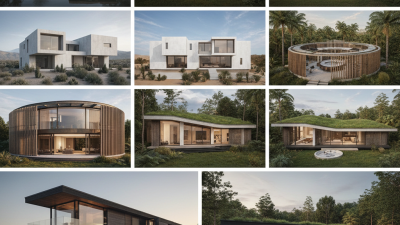
When designing your dream backyard house, consider various architectural styles. A modern design often features clean lines and large windows. This allows natural light to flood in, creating a bright space. Alternatively, a rustic style might incorporate natural materials like wood and stone. This design brings warmth and charm, blending seamlessly with outdoor landscapes.
**Tips:** Think about how you’ll use the space. A small area can still be functional with the right layout. An outdoor deck might be perfect for entertaining. Consider adding a fire pit or a cozy sitting area.
Another option is a cottage-style house with a pitched roof. This can evoke a cozy, inviting feel. You can personalize it with colorful flowers and inviting furniture. Remember, it’s crucial to reflect on how each style aligns with your lifestyle. Sometimes, blending multiple styles can create a unique touch. When choosing, embrace imperfections. A quirky design may resonate more than a perfect one.
Sustainable Materials and Practices in Backyard House Construction
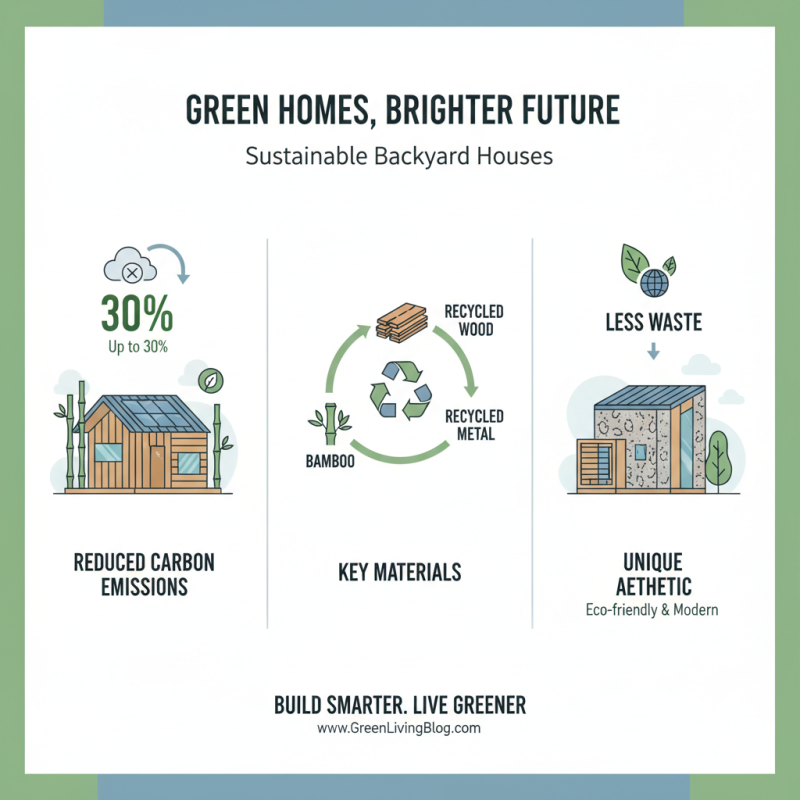
Sustainable materials are crucial in backyard house construction. Recent studies indicate that buildings using sustainable materials can reduce carbon emissions by up to 30%. This is significant, considering global carbon emissions continue to rise. Using recycled wood, metal, or bamboo not only decreases waste but also creates a unique aesthetic.
Practices like rainwater harvesting and solar energy systems are increasingly popular. According to industry reports, homes with solar panels can lower energy costs by approximately 70%. However, many homeowners still overlook these options. Not everyone understands how to balance initial costs with long-term savings.
Building with earth-friendly materials can be challenging. Sourcing local materials requires time and effort. Many find it difficult to locate suppliers near them. Yet, the benefits often outweigh these inconveniences. Less transportation means lower emissions. This is a step worth taking for our planet. Embracing sustainable practices is not just a trend; it's essential for a more eco-friendly future.
Maximizing Outdoor Space: Landscaping Ideas for Backyard Houses
Backyard houses can transform any outdoor space into a personal retreat. To fully utilize your outdoor area, landscaping plays a crucial role. According to the National Association of Landscape Professionals, well-designed landscapes can increase property value by up to 15%. This highlights the importance of not only aesthetics but also practical improvements for your backyard.
Incorporate native plants into your design. They require less maintenance and water. Utilize space effectively by building vertical gardens. This method makes your space feel larger and more vibrant. Add pathways to guide guests through your garden. Consider using materials like gravel for a natural look.
Tip: Consider adding outdoor lighting. It enhances safety and creates ambiance during twilight. Use solar-powered lights for an eco-friendly touch. Think about the functionality of your space. You might find areas that need better flow or accessibility. Experimenting with layout can reveal unexpected benefits. Don’t hesitate to change things up if it doesn’t feel right.
Creating Functional Areas: Kitchens, Lounges, and Workspaces Outdoors
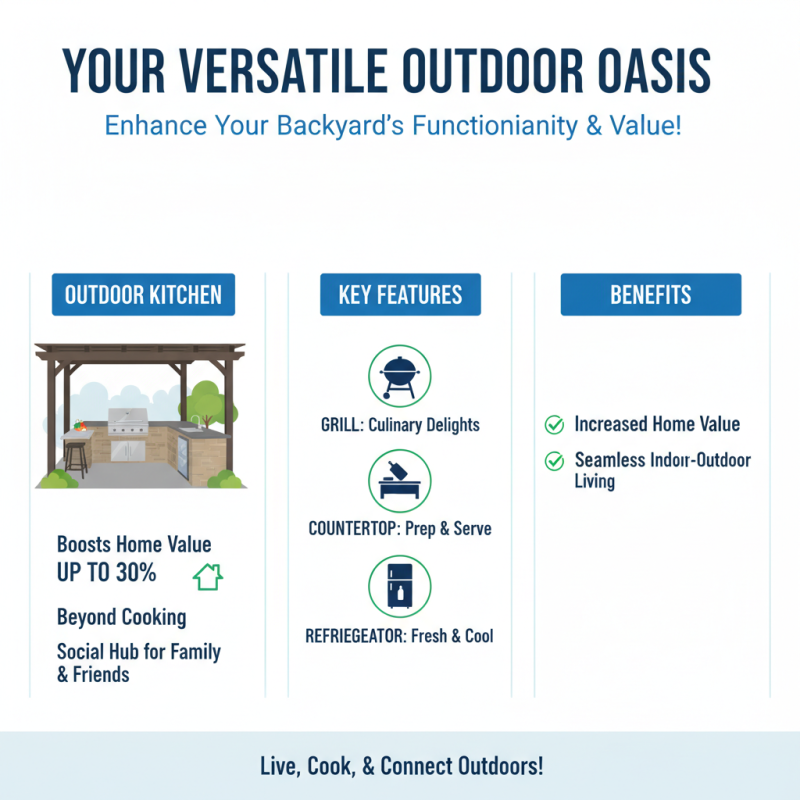
Creating a versatile outdoor space is essential for enhancing your backyard's functionality. A well-designed outdoor kitchen can boost your home’s value by up to 30%. This area is not just for cooking; it becomes a social hub for family and friends. Incorporating features like a grill, countertop, and refrigerator helps blend leisure with functionality.
Consider lounge areas too. Research shows that people spend 15% more time in their backyards when they have comfortable seating. Hammocks, sectionals, and fire pits can create cozy spots for relaxation. Position them to enjoy views and sunlight. This placement enhances your connection with nature.
Tips: Use weather-resistant materials for longevity. Plan spaces with easy access to your main home or facilities. While it’s tempting to fill your yard with elements, sometimes less is more. Take time to visualize how each space will be used before committing. Ensure that your designs reflect your lifestyle, prioritizing practicality alongside aesthetic appeal. Aim for a coherent flow between areas, making adjustments as needed to enhance user experience.