10 Best Expandable House Designs for Modern Living?
In an era where urban spaces have become increasingly limited, the concept of an expandable house offers innovative solutions for modern living. Architect and expandable house expert, Dr. Emily Stanford, once stated, "Expandable houses revolutionize the way we think about space and adaptability." This perspective reflects the growing need for flexible living environments that can evolve according to our needs.
The design of an expandable house often incorporates modular elements that seamlessly integrate into existing structures. This allows homeowners to add or reduce space as necessary. For example, a family may start with a simple one-bedroom unit that can be expanded into multiple rooms as their needs change over time. Such adaptability is not just practical; it’s essential in a fast-paced world where life circumstances can shift unpredictably.
However, not all expandable house designs are created equal. Some may not blend well with urban aesthetics, leading to mixed views on their acceptance. The challenge lies in balancing flexibility with visual harmony. Each design should not only cater to functionality but also maintain a sense of community identity. The path of innovation is fraught with imperfection, yet these challenges are what drive the exploration of future housing solutions.
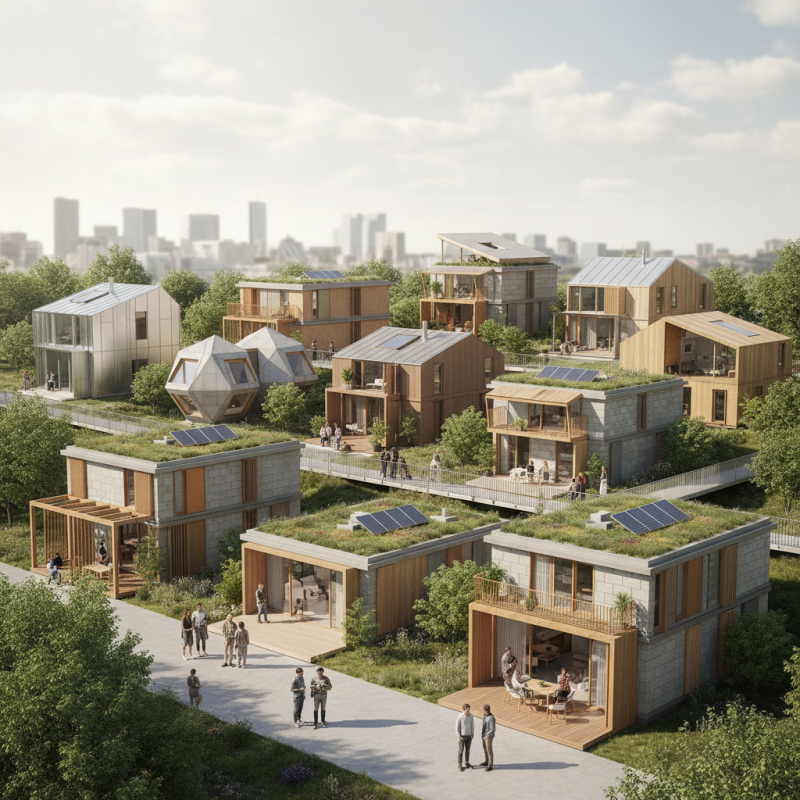
Overview of Expandable House Designs: Trends in Modern Architecture
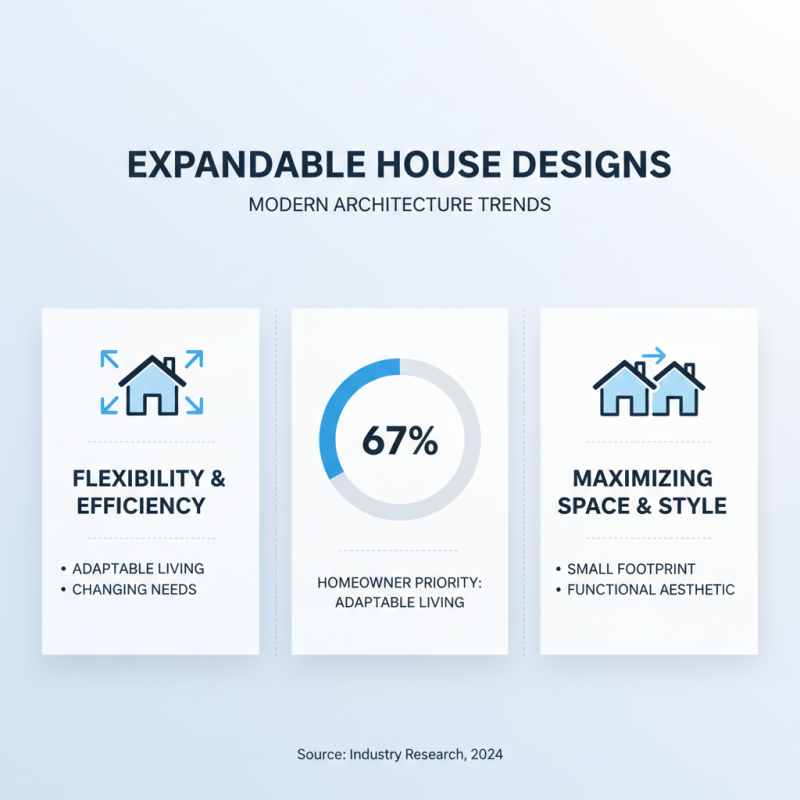
Expandable house designs are shaping modern living by providing flexibility and efficiency. These designs allow homeowners to adapt their living spaces according to changing needs. Research shows that 67% of potential homeowners now prioritize adaptable living solutions. The allure lies in maximizing small spaces while maintaining style and functionality.
In recent trends, architects embrace modular designs to meet diverse requirements. This approach often incorporates eco-friendly materials, enhancing sustainability. Additionally, the International Council for Research and Innovation in Building and Construction reports a 20% increase in the demand for modular homes over the past five years. Such figures indicate a clear shift towards more efficient housing solutions.
For those considering an expandable house design, here are a few tips. Ensure the design maintains natural light to create a welcoming atmosphere. Emphasize multifunctional spaces that serve dual purposes. Lastly, keep in mind that these designs should evolve with your family’s needs. As popular as they are, there’s still a need for thoughtful consideration in the planning stages.
Key Features of Expandable Homes: Flexibility and Sustainability
Expandable homes are becoming increasingly popular due to their versatility and eco-friendliness. These designs offer room for growth, fitting the evolving needs of families. According to the American Institute of Architects, about 63% of homebuyers prioritize flexible spaces that can adapt over time. Expandable homes are an ideal solution, allowing for easy modifications without extensive renovations.
Key features of expandable homes include open layouts and modular components. These designs often utilize sustainable materials, reducing environmental impact. A study by the U.S. Green Building Council shows that homes built with such principles can decrease energy consumption by up to 30%. However, critical reflections on expandable designs reveal potential challenges. Not all regions accommodate this trend, which can cause planning issues. Moreover, builders may encounter zoning regulations and community resistance.
While the adaptability of expandable homes is a major strength, it usually requires compromise. Residents may feel overwhelmed by choices. The balance between flexibility and personal touch can be tricky. Overall, the sustainability aspect, paired with a focus on future needs, remains vital in the design of modern homes.
Space Optimization Strategies: Utilizing Modular and Prefabricated Elements
Designing a modern home requires creativity and foresight. Expandable house designs are ideal for today’s shifting needs. They incorporate modular and prefabricated elements. These features allow homeowners to adjust space according to personal requirements. This flexibility is increasingly important in urban areas where real estate is at a premium.
Incorporating modular furniture can significantly enhance space functionality. For example, consider foldable tables and stackable chairs. They provide seating when needed and can be stored away to create an open area. Another approach is using multifunctional rooms. A guest room that doubles as a home office can be a smart solution.
However, relying solely on trends can have drawbacks. Some modular designs may lack character. It's vital to choose elements that resonate personally. A home should reflect individual tastes, not just current styles. Thoughtful planning can lead to a harmonious blend of aesthetics and functionality. Don’t be afraid to mix different design philosophies to create a unique space.
10 Best Expandable House Designs for Modern Living
This chart displays the Space Optimization Scores of the top 10 expandable house designs, highlighting their effectiveness in modern living. The scores, ranging from 70 to 95, indicate varying levels of space utilization strategies employed in each design.
Cost-Effectiveness of Expandable Houses: Budgeting and Financial Analysis
Expandable houses are gaining popularity among modern homeowners seeking cost-effective solutions. According to a recent report by the National Association of Home Builders, the average cost to build a traditional home is around $100 to $150 per square foot. In contrast, expandable houses often have a lower initial investment. They allow families to start small and expand as their needs grow, offering a flexible financial pathway.
Budgeting for an expandable house requires careful analysis of both short-term and long-term costs. Homeowners must consider initial construction expenses, zoning regulations, and future expansion costs. A study from the Housing Industry Association notes that sustainable modular designs can save up to 30% on energy bills. This long-term savings further enhances the appeal of expandable homes.
Tips for budgeting effectively include creating a detailed plan. Outline your current needs and anticipate future requirements. Identify areas where you can minimize expenditures, such as selecting simpler designs or eco-friendly materials. Regularly review your financial status and stay updated on building codes to avoid costly surprises.
Future Prospects: Innovations in Expandable Housing Solutions and Technologies
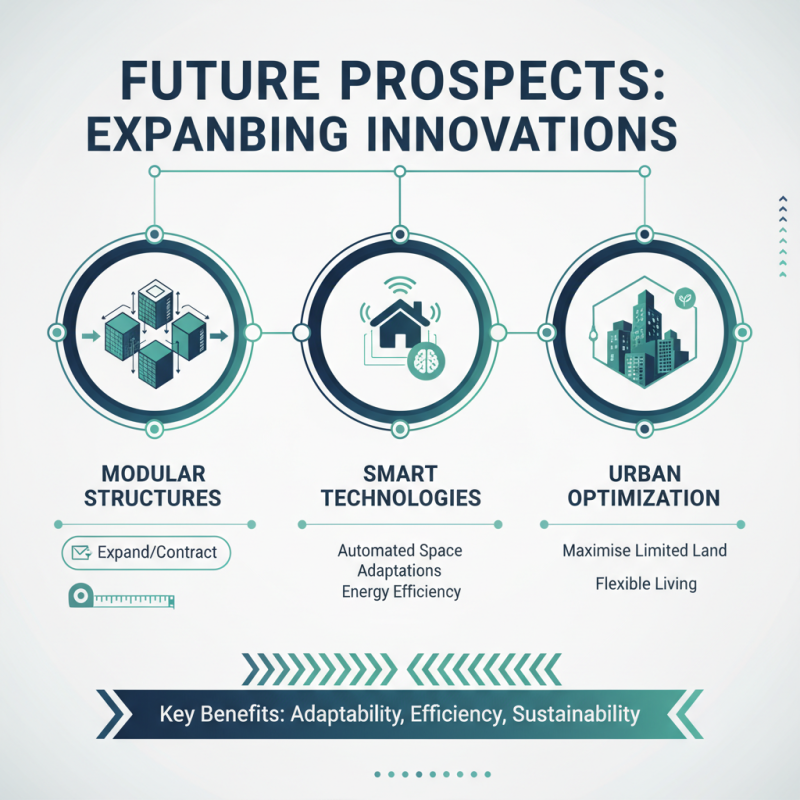
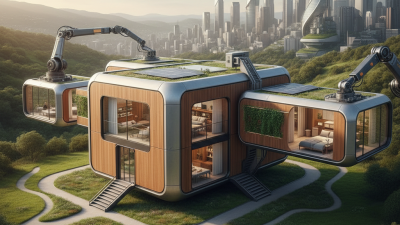
Innovations in expandable housing offer exciting possibilities for modern living. These designs incorporate smart technologies to maximize space and efficiency. For example, modular structures can expand or contract based on the occupants' needs. This flexibility is especially valuable in urban environments where land is scarce.
Emerging solutions like automatic wall systems and foldable furniture enhance usability. Homes are now not just static shells; they adapt as families grow or change. The tech involved isn’t always flawless. Issues such as energy efficiency and maintenance often arise. Regular upgrades can be necessary to keep systems running smoothly.
These challenges highlight a need for sustainable materials and practices. Innovations must balance aesthetics, functionality, and environmental impact. As designers reflect on these aspects, they pave the way for more resilient housing solutions. The future of expandable designs looks promising, yet it requires ongoing exploration and improvement.