
What Are the Best Home Living Products to Buy from China?
Choosing the best home products from China is not just a matter of finding the lowest price. It means balancing useful design, dependable materials, fair pricing, and clear supplier communication. For homes living, the right choices can make a room feel calmer and work better every day, from a sturdy dining chair to soft, washable bedding.
Design authority William Morris offered a useful test: “Have nothing in your houses that you do not know to be useful, or believe to be beautiful.” That principle still fits today. Buyers can explore lighting, storage, furniture, textiles, kitchenware, and décor, while checking product dimensions, material details, finish quality, and care instructions. A close-up photo may look convincing. A sample tells you more.
Small details matter. Request current product specifications and confirm what is included in each order. Compare samples for stitching, smooth edges, stable joints, and color consistency. Ask suppliers about quality checks, packaging, lead times, and shipping terms before committing. Any required safety documentation depends on the product and destination, so verify applicable requirements with qualified professionals.
This guide will help readers compare popular home categories and assess what makes an item worth buying. It cannot promise every supplier will meet expectations; even careful checks have limits. But asking better questions—and inspecting products before placing a large order—can reduce avoidable surprises. A beautiful room starts with choices that hold up beyond the photograph.
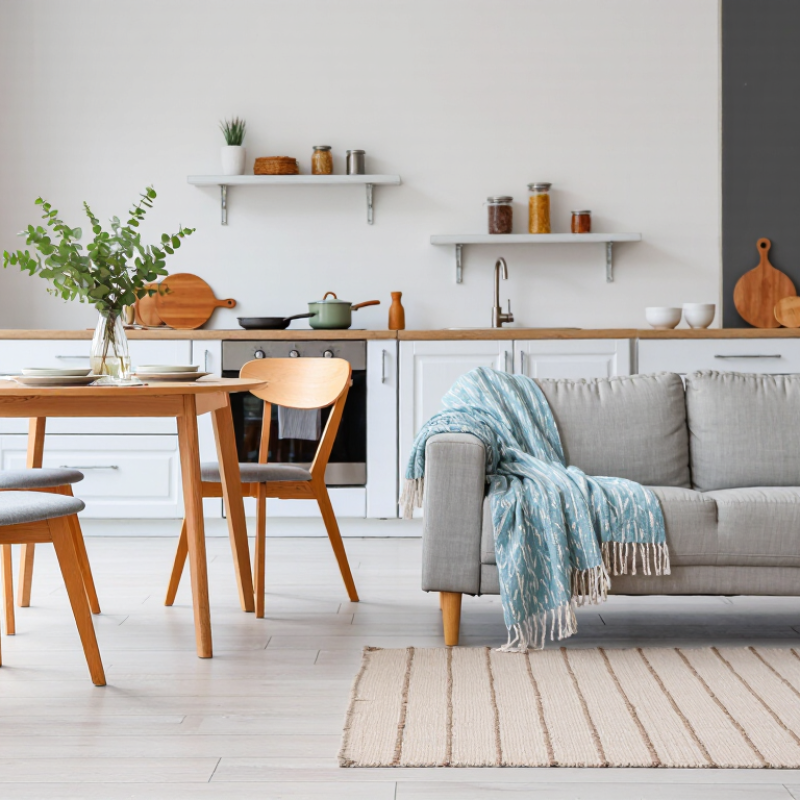
Home Living Products Commonly Manufactured in China
China manufactures a broad range of home living products, including upholstered sofas, wooden cabinets, LED lamps, ceramic tableware, cookware, bedding, and storage organizers. The UNIDO International Yearbook of Industrial Statistics 2024 estimates that China generated 31.8% of global manufacturing value added in 2022. That scale supports dense supplier networks for materials, components, and finishing work. It does not guarantee consistent quality.
For buyers, product details deserve close attention. A dining chair’s joints, a lamp’s wiring, and a towel’s fabric density can matter more than polished catalog photos. The WTO’s World Trade Statistical Review 2024 reports China’s 2023 merchandise exports at about US$3.38 trillion, reflecting its extensive export capacity. Still, that figure covers all goods, not home products alone. Ask suppliers for material specifications, production samples, and inspection records. Check whether finishes match across batches. Small differences show up quickly in a living room. That part is easy to overlook.
| Product Category | Common Materials and Construction | Typical Product Details | Useful Quality Checks | Common Home Uses |
|---|---|---|---|---|
| Kitchen storage containers | Glass, stainless steel, or food-contact plastics; lids may use silicone seals. | Sets commonly include several container sizes. Glass bodies are often supplied with snap-lock or clip-style lids. | Check capacity and dimensions, lid fit, seal consistency, material declarations, and suitability for the intended temperature range. | Pantry organization, food storage, meal preparation |
| Cookware | Aluminum, stainless steel, cast iron, or layered metal; some pans have a nonstick coating. | Common formats include frying pans, saucepans, stockpots, and cookware sets in multiple diameters. | Inspect base flatness, handle attachment, coating uniformity, stated cooktop compatibility, and applicable food-contact documentation. | Everyday cooking, stovetop and oven use where specified |
| LED lighting | LED components, electronic driver, metal or plastic housing, and glass or plastic diffuser. | Products include bulbs, ceiling lights, desk lamps, and under-cabinet fixtures; color temperature and brightness vary by model. | Verify electrical ratings, plug type, dimmer compatibility, light output, color temperature, and required safety certifications for the destination market. | Living rooms, kitchens, bedrooms, work areas |
| Textile bedding | Cotton, polyester, linen, or blended fabrics; fillings may include polyester fiber or down alternatives. | Sheets, duvet covers, pillowcases, and comforters are made in region-specific bed sizes and fabric weights. | Confirm finished measurements, fiber content, colorfastness, seam quality, care instructions, and shrinkage after washing. | Bedrooms, guest rooms, seasonal bedding |
| Area rugs and mats | Wool, cotton, polyester, polypropylene, or blended fibers; backing may be woven or applied. | Available in common rectangular and round formats, with pile height and construction varying by design. | Check actual dimensions, edge finishing, shedding, odor, color consistency, and whether a separate non-slip underlay is needed. | Living rooms, bedrooms, entryways, dining areas |
| Flat-pack furniture | Engineered wood panels, solid wood components, metal fittings, and laminate or veneer finishes. | Common items include shelving, desks, bedside tables, and storage cabinets shipped in disassembled form. | Review panel thickness, hardware count, assembly instructions, load guidance, finish quality, and packaging protection for panel edges. | Home offices, bedrooms, living spaces, storage areas |
| Bathroom accessories | Stainless steel, aluminum, ceramic, glass, or molded plastic, depending on the item. | Typical products include soap dispensers, towel bars, shower caddies, and countertop organizers. | Check dimensions, corrosion resistance where relevant, mounting hardware, drainage design, and compatibility with the intended installation surface. | Bathrooms, powder rooms, laundry areas |
| Small home appliances | Plastic or metal housings with motors, heating elements, controls, and electrical components. | Common product types include kettles, fans, humidifiers, and compact food-preparation appliances. | Confirm voltage and frequency, plug type, rated power, operating instructions, safety features, and destination-market compliance. | Kitchens, bedrooms, home offices, utility rooms |
| Product specifications, materials, sizes, and compliance requirements vary by model and supplier. Request current samples, verified technical documents, and destination-market testing before placing an order. | ||||
Related Posts
-

How to Design Modern Houses That Enhance Comfort and Aesthetics
-

10 Best Prefab Modern Homes for Sustainable Living
-

What Are the 10 Best Modern House Plans?
-

10 Best Modular Build Strategies for Sustainable Construction in 2023
-

How to Buy Castle Homes in 2026 for Global Buyers?
-

2026 Best Living bahria homes Innovations for Global Buyers?
