Choosing the right Kids Bed is not only about charming colors or playful shapes. Safety, comfort, and durability should guide every decision, especially when a child moves, rolls, climbs, and grows quickly. A sturdy frame matters. So does a firm mattress, smooth finishing, secure hardware, and enough space between the mattress and guardrails.
Dr. Rachel Moon, a pediatrician and infant-sleep safety authority, has said, “The safest place for an infant to sleep is on a separate sleep surface designed for infants.” This reminder is important. Not every attractive Kids Bed suits every age or sleeping stage. A toddler may need low access and short guardrails, while an older child may benefit from stronger slats and extra storage. Small gaps can become serious hazards. Loose screws can create nightly noise and long-term instability.
This guide examines 10 best Kids Bed options for safety, comfort, and durability. Each choice is considered through practical details, including mattress fit, rail strength, weight capacity, ventilation, material quality, and assembly clarity. Some beds look excellent but disappoint after repeated use. Others feel plain but remain stable for years. That contrast deserves attention.
Real homes are imperfect. Floors may be uneven, instructions may be confusing, and children may test every joint. Therefore, this review considers both product claims and everyday experience. The final choice should match the child, room, budget, and family routine. No bed is perfect. A thoughtful decision is still possible.
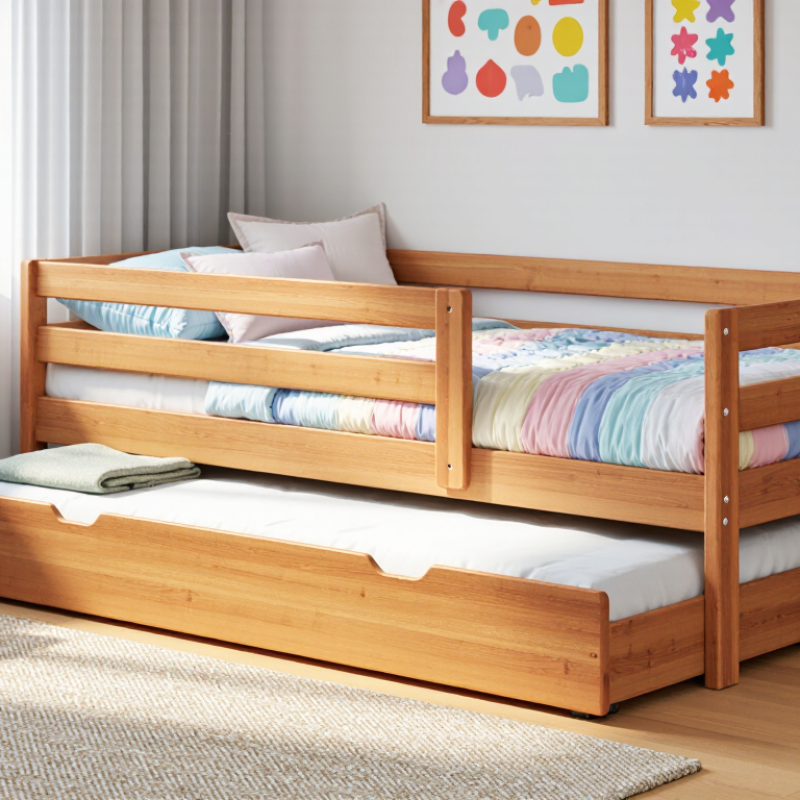
A safe kids’ bed begins with stable construction. It should have strong joints, rounded edges, and no openings that can trap fingers or limbs. For bunk beds, check compliance with ASTM F1427, the voluntary U.S. safety standard for children’s bunk beds. Guardrails should remain firm during daily climbing, not only during showroom inspection. Nearby dressers and shelves also need anchoring. The U.S. Consumer Product Safety Commission reports thousands of furniture tip-over injuries each year, with children facing particular risk.
Comfort depends on more than soft fabric. A supportive mattress should keep the child’s spine reasonably aligned and prevent deep sinking. The American Academy of Sleep Medicine recommends 9–12 hours of sleep for children aged 6–12. A noisy frame can interrupt that target. Slats should support the mattress evenly and allow ventilation underneath. Measure the mattress carefully. Small gaps can become dangerous spaces.
Tips: Test every joint by applying gentle pressure. Check screws every few months. Choose washable covers for spills and allergies. Avoid sharp decorative parts. A very soft mattress may feel luxurious, but it can offer poor support. I would also let an older child test the bed before buying. Comfort is personal, and product descriptions cannot reveal every squeak. Inspect the bed after moving it, because hidden looseness often appears later.
When comparing kids’ beds, safety should guide every feature choice.
Check that guardrails are firmly attached and do not leave wide gaps. The mattress should fit tightly, with no visible spaces along the edges. A child’s hand should not slip between the frame and mattress.
Height matters too. A lower bed reduces the distance of a possible fall, especially for younger sleepers. Look for rounded corners, smooth surfaces, and sturdy joints. Shake the assembled frame gently. Any movement deserves attention. A bed can look strong in a showroom but wobble after repeated use.
Comfort depends on more than soft bedding. Choose a supportive mattress that matches the child’s sleeping position and body size. Breathable materials may help reduce heat during restless nights. Durability comes from solid construction, replaceable parts, and finishes that resist everyday scratches. Check the assembly instructions carefully, even if the design seems simple. Loose screws can develop quietly. I once assumed a heavier frame was automatically safer, but weight alone proves little. Stable connections and accurate assembly matter more. Also review the recommended age, weight range, and maintenance guidance before buying. Safety standards can vary by location, so verify current requirements through reliable government or testing authorities.
10 Best Kids Beds for Safety, Comfort, and Durability
Ten Top Kids’ Beds for Different Ages and Sleeping Needs
Choosing a child’s bed depends on age, movement, room size, and bedtime habits. For toddlers, a low floor bed reduces climbing risks and supports independent routines. A convertible toddler bed can later become a small single bed. Its adjustable design may save space and money. For preschoolers, a low platform bed offers easy access and stable support. A bed with rounded edges feels safer during restless nights. Check every joint by hand. Small gaps can become irritating or unsafe.
For school-age children, a sturdy single bed, storage bed, trundle bed, or cabin bed can suit different needs. A storage bed keeps toys away from walking areas. A trundle bed helps when siblings or guests stay over. A cabin bed adds useful space beneath the mattress, but its height requires careful supervision. Choose solid slats, quiet connections, and a mattress that fits tightly. Avoid decorative parts that loosen easily. Durability is more than appearance.
Older children may prefer a loft bed, bunk bed, or upholstered platform bed. Loft and bunk designs need secure guardrails, strong ladders, and enough ceiling clearance. Follow the manufacturer’s age guidance and inspect fasteners regularly. An upholstered platform feels comfortable, though fabric can collect dust and stains. That matters for children with allergies. No bed is perfect. I once underestimated how quickly storage areas become cluttered. Leave clear floor space, test the bed’s stability, and listen to your child’s changing comfort needs.
Sleep needs change with age, so the best bed should match a child’s developmental stage, room size, and sleeping habits. The chart below shows evidence-based daily sleep recommendations, including naps where applicable.
How to use this chart: Infants and toddlers generally benefit from firm, flat sleep surfaces and appropriate guardrails. Preschool and school-age children may need added space, storage, or a lower bed height for easier access. Teenagers often benefit from a longer mattress and stronger frame support.
Sleep-duration ranges are based on recommendations from the American Academy of Sleep Medicine and the Sleep Research Society. Individual sleep needs may vary.
A child’s bed should fit the room before it impresses the eye. Measure the floor area, door swing, window access, and walking route. Leave clear space beside the bed for nighttime movement. The U.S. Consumer Product Safety Commission reports about 36,000 bunk-bed injuries annually, mainly involving children. That figure makes ladder placement and guardrail height practical safety decisions, not decorative details.
Development changes the right design. Toddlers need a low bed with rounded edges and a firm, stable frame. A raised or bunk bed may suit older children who can climb safely and follow rules. The American Academy of Pediatrics recommends a separate, firm sleep surface for infants, without loose bedding or soft objects. Do not place an infant in a standard children’s bed. It is an easy mistake during a rushed room change.
Sleep needs also guide sizing. The National Sleep Foundation recommends 9–12 hours for school-age children and 8–10 hours for teenagers. A narrow bed may save space now, but growth arrives quickly. A longer frame can prevent an expensive replacement. In small rooms, drawers under the bed can reduce clutter, although they may trap dust and become difficult to open. Measure twice. Children’s opinions matter, but safety must lead.
| Bed Design | Typical Development Stage | Standard Mattress Size | Approximate Bed Footprint | Recommended Room Size | Safety Features to Check | Typical Weight Capacity | Comfort and Durability Benefits | Best Room-Matching Use |
|---|---|---|---|---|---|---|---|---|
| Low Platform Bed | Young children transitioning from a toddler bed; usually about 3–6 years | Twin: 38 × 75 in (96.5 × 190.5 cm) | Approximately 40 × 77 in (102 × 196 cm) | At least 8 × 9 ft (2.4 × 2.7 m) | Low sleeping height, rounded edges, stable slats, and no large gaps between the mattress and frame | Typically 200–300 lb (91–136 kg); verify the frame rating | Easy floor access can support independent bedtime routines; a simple frame has fewer parts to loosen | Small bedrooms and floor plans that need open walking space |
| Guardrail Twin Bed | Early school years through preteen years; commonly about 4–10 years | Twin: 38 × 75 in (96.5 × 190.5 cm) | Approximately 40 × 78 in (102 × 198 cm) | At least 8 × 9 ft (2.4 × 2.7 m) | Secure guardrail, smooth surfaces, sturdy ladder-free access, and a properly fitted mattress | Typically 200–400 lb (91–181 kg); check the product documentation | Full-length side protection can reduce rolling out while preserving a familiar single-bed layout | Shared children’s rooms and standard rectangular bedrooms |
| Twin Trundle Bed | School-age children and occasional sleepovers; about 5–12 years | Two Twin mattresses: 38 × 75 in each | Approximately 40 × 78 in closed; about 78 × 78 in when extended | At least 9 × 10 ft (2.7 × 3.0 m), with clearance for the trundle | Locking casters, smooth pull-out action, adequate ventilation, and a trundle mattress within its height limit | Approximately 200–300 lb per sleeping surface; verify both frame ratings | Provides a second sleeping surface without permanently occupying the room’s floor area | Guest rooms, shared rooms, and rooms with flexible floor space |
| Storage Bed With Drawers | School-age children through teenagers; about 6–16 years | Twin: 38 × 75 in or Full: 54 × 75 in | Twin: approximately 41 × 78 in Full: approximately 57 × 78 in | At least 9 × 10 ft for Twin; 10 × 10 ft for Full | Anti-tip hardware, drawer stops, smooth drawer tracks, rounded corners, and secure slat supports | Typically 300–500 lb (136–227 kg), including mattress and occupants | Built-in drawers reduce the need for separate cabinets and can improve organization in compact rooms | Small rooms where vertical and under-bed storage are important |
| Full-Size Platform Bed | Older children and teenagers; about 8–18 years | Full: 54 × 75 in (137 × 190.5 cm) | Approximately 56 × 78 in (142 × 198 cm) | At least 10 × 10 ft (3.0 × 3.0 m) | Strong center support, closely spaced slats, rounded corners, and a mattress that does not slide | Typically 400–600 lb (181–272 kg); confirm the stated limit | Offers more room for growing children and can remain useful into the teenage years | Medium or large bedrooms designed for long-term use |
| Low Loft Bed With Desk | Independent school-age children; commonly about 6–12 years | Twin: 38 × 75 in (96.5 × 190.5 cm) | Approximately 42 × 80 in (107 × 203 cm), depending on desk layout | At least 8 × 10 ft (2.4 × 3.0 m) | Guardrails on exposed sides, secure ladder steps, stable joints, and sufficient ceiling clearance | Typically 200–300 lb (91–136 kg); follow the age and weight limits | Uses vertical space for sleeping and homework while leaving more open floor area | Compact bedrooms needing a study zone without adding a separate desk |
| Standard Bunk Bed | Older children who can safely use a ladder; commonly about 6 years and older | Two Twin mattresses: 38 × 75 in each | Approximately 42 × 80 in (107 × 203 cm) | At least 8 × 10 ft (2.4 × 3.0 m), with safe ladder access | Full-length upper guardrails, secure ladder, strong mattress foundation, and no gaps that could trap a child | Often 200–300 lb per bunk; use the manufacturer’s specific rating | Accommodates two sleepers while preserving central floor space for play and storage | Shared bedrooms with limited floor area and adequate ceiling height |
| Twin XL Bed | Taller preteens, teenagers, and young adults; about 10–18 years | Twin XL: 38 × 80 in (96.5 × 203 cm) | Approximately 40 × 83 in (102 × 211 cm) | At least 9 × 10 ft (2.7 × 3.0 m) | Stable frame, center support, properly fitted longer mattress, and rounded edges | Typically 300–500 lb (136–227 kg) | Provides 5 additional inches of mattress length compared with a standard Twin for growing children | Narrow rooms where extra length is more useful than extra width |
| Daybed With Back and Side Rails | School-age children through teenagers; about 5–16 years | Twin: 38 × 75 in (96.5 × 190.5 cm) | Approximately 41 × 80 in (104 × 203 cm) | At least 9 × 10 ft (2.7 × 3.0 m) | Stable side rails, no sharp decorative projections, secure slats, and safe clearance from windows | Typically 300–500 lb (136–227 kg) | Functions as a sofa during the day and a bed at night, helping multipurpose rooms stay organized | Bedrooms that also serve as reading, play, or guest areas |
| Adjustable Split Twin Bed | Older children and teenagers with changing comfort preferences; about 10–18 years | Two Twin XL halves: 38 × 80 in each | Approximately 78 × 83 in when paired | At least 10 × 11 ft (3.0 × 3.4 m) | Protected moving parts, secured cables, reliable locking mechanisms, and adequate clearance around the base | Usually 300–500 lb per side; verify the adjustable-base rating | Independent head or leg adjustment can support reading and customized comfort; separate halves simplify handling | Larger rooms where flexibility and long-term comfort are priorities |
Dimensions are approximate and represent common mattress and frame sizes. Always confirm the exact mattress fit, guardrail requirements, age guidance, clearance, assembly instructions, and weight capacity for the specific bed before purchase.
A safe children’s bed needs routine care, not just a strong frame. In my experience inspecting home sleep spaces, loose fasteners cause more trouble than visible scratches. Check every bolt, slat, rail, and ladder connection each month. Press gently against the frame and listen for movement or creaking. Tighten hardware with the correct tool, but avoid forcing it. Over-tightening can split wood or damage threads. Keep the mattress flat, dry, and properly fitted. A wide gap beside the frame can trap a small arm or leg. Small details matter.
Wipe surfaces with a damp cloth and mild soap, then dry them fully. Do not soak timber or leave moisture around joints. Inspect edges at child height for splinters, sharp corners, peeling finish, or exposed screws. Sand minor roughness carefully, but replace damaged parts when repair is uncertain. Bedding should stay clear of cords, heavy toys, and loose decorative items. Check guardrails after moving the bed; relocation can loosen connections silently. The room also needs airflow, especially near a wall where dust gathers.
Use the bed only as designed. Jumping may seem harmless, yet repeated impact can weaken joints before damage becomes obvious. Follow the maker’s weight guidance and keep heavier storage away from upper sleeping levels. Recheck the bed after illness, house moves, or a child begins climbing. Children notice problems differently, so ask where the bed feels unstable or uncomfortable. Their answer may reveal a real issue. I have missed small noises during daytime checks; a quiet inspection at night sometimes shows more. Record repairs and dates in a simple notebook. Replace the bed when the frame remains unstable after proper repair.