10 Best Modular Build Strategies for Sustainable Construction in 2023
In recent years, the construction industry has seen a significant shift towards sustainable practices, and one of the most promising approaches is modular build. As we enter 2023, experts in the field are increasingly advocating for this innovative construction method, which offers numerous environmental and economic benefits. Renowned modular build specialist, Dr. Emily Harper, emphasizes, "Modular construction not only reduces waste but also accelerates the building process, making it a crucial strategy for achieving sustainability in our urban environments."
The advantages of modular build are manifold, ranging from reduced material waste to enhanced energy efficiency of buildings. By fabricating building components off-site in controlled environments, the industry can minimize errors and optimize resource use. This method is particularly relevant in today's context, where the urgency for sustainable construction solutions is greater than ever. As cities expand and the demand for new housing increases, modular build presents an opportunity to address these challenges while adhering to eco-friendly principles.
This article will explore the ten best modular build strategies that can lead the way in sustainable construction in 2023. From innovative design practices to advanced material selection, we will delve into the techniques that are shaping the future of architecture and urban development, demonstrating how modular build can be a game-changer in our quest for sustainability.
Overview of Modular Building Strategies for Sustainable Construction
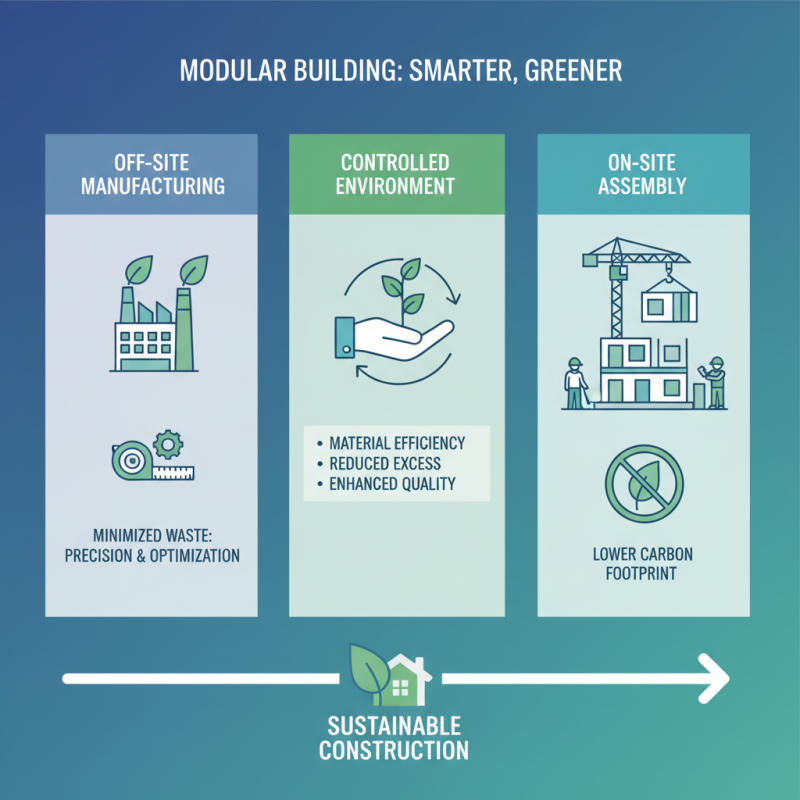
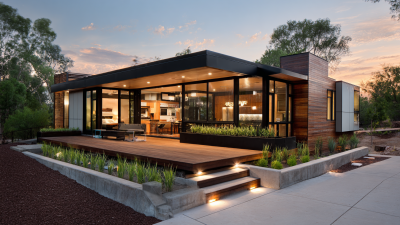
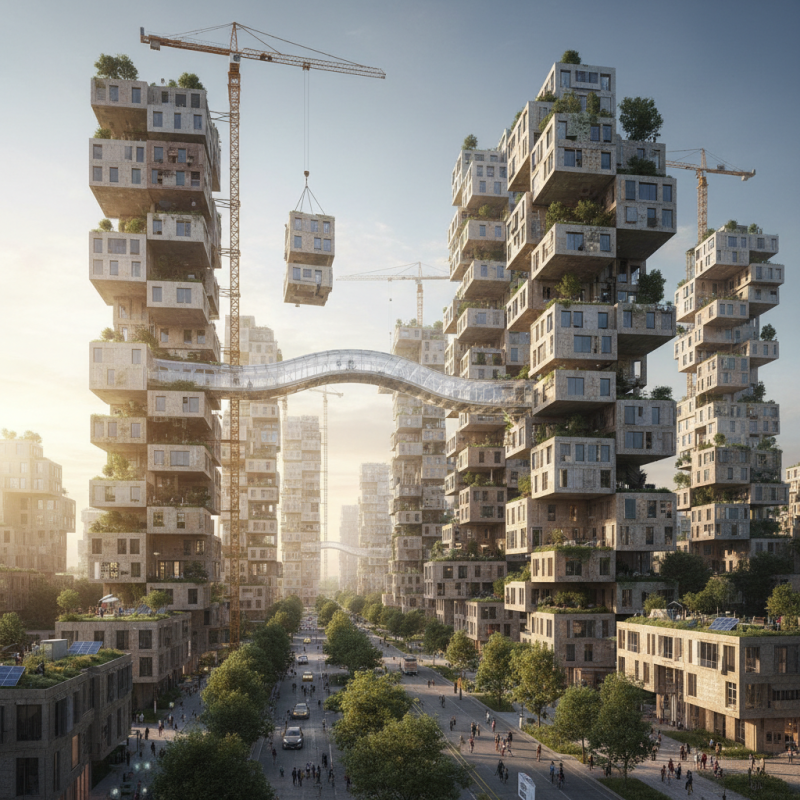
Modular building strategies play a pivotal role in advancing sustainable construction practices, offering a promising solution for addressing the challenges of resource efficiency and environmental impact. One primary focus within these strategies is the application of prefabrication techniques, where components are manufactured off-site in controlled environments. This approach not only minimizes waste during construction but also enhances the quality and precision of building materials, leading to longer-lasting structures.
Moreover, the use of modular systems allows for quicker assembly on-site, reducing the overall project duration and lowering labor costs.
Incorporating sustainable materials is another crucial aspect of modular building strategies. By selecting renewable resources and recycled materials, builders can significantly decrease the carbon footprint associated with construction. This strategy also extends to energy efficiency, with many modular designs integrating advanced insulation and energy-efficient windows that improve the building's performance over its lifecycle.
Additionally, modular buildings can be designed for adaptability, allowing for easy modifications and extensions without the need for extensive new resources. Overall, these innovative approaches not only support sustainable construction goals but also foster a more resilient and flexible built environment.
Key Principles of Sustainable Modular Design in 2023
Key principles of sustainable modular design in 2023 emphasize efficiency, flexibility, and environmental responsibility. One of the central tenets is the use of eco-friendly materials that minimize the carbon footprint of construction. This involves selecting sustainably sourced products that are recyclable or made from recycled content. Integrating technologies such as prefabrication and modular components not only streamlines the construction process but also reduces waste, as materials can be accurately cut and assembled with precision. Sustainability in material selection goes hand in hand with energy-efficient designs that contribute to lower operational costs for buildings throughout their lifespan.
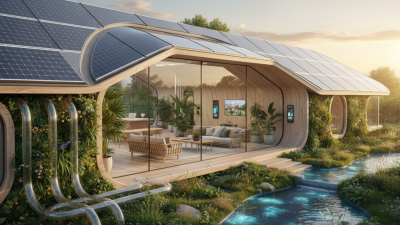
Moreover, optimizing spatial configurations is crucial in sustainable modular design. The versatility of modular units allows for adaptive reuse and the potential for future modifications without significant renovations. This adaptability aligns with the principles of reducing resource consumption and prolonging the lifecycle of the structures. Incorporating renewable energy solutions, such as solar panels and green roofs, fosters a connection between the built environment and nature, promoting biodiversity while also providing energy savings. Together, these principles not only contribute to sustainable practices in construction but also enhance the overall quality of life for inhabitants by creating healthier living spaces.
Innovative Materials and Technologies in Modular Construction
The landscape of modular construction is rapidly evolving, driven by innovative materials and technologies that enhance sustainability. Recent industry reports indicate that the global modular construction market is expected to reach $157 billion by 2023, largely fueled by advancements in eco-friendly building materials. Materials such as cross-laminated timber (CLT) and recycled steel are gaining traction due to their lower carbon footprints and efficiency in resource utilization. According to a study by the Modular Building Institute, projects utilizing modular techniques can reduce waste by as much as 90%, making them a compelling option for environmentally-conscious developers.
In addition to sustainable materials, technology plays a crucial role in optimizing modular construction. Digital fabrication methods, such as 3D printing and Building Information Modeling (BIM), allow for precise design and fabrication, minimizing errors and reducing material waste. A report from McKinsey & Company highlights that integrating these technologies can improve the efficiency of construction processes by 30-50%. Moreover, innovative insulation materials, such as bio-based composites, enhance energy efficiency and contribute to reduced operational costs over the lifecycle of the building. As modular construction continues to grow, the emphasis on utilizing innovative materials and technologies will be key in achieving sustainability goals and meeting the demands of a greener future.
10 Best Modular Build Strategies for Sustainable Construction in 2023
| Strategy |
Material Highlights |
Technological Innovations |
Sustainability Impact |
| Prefabricated Wood Structures |
Engineered Timber |
3D Printing |
Reduced Carbon Footprint |
| Recycled Steel Frameworks |
Reclaimed Steel |
Modular Robotics |
Energy Efficiency |
| Sustainable Concrete Mixes |
Biodegradable Polymers |
Smart Sensors |
Lower Emissions |
| Green Insulation Solutions |
Hempcrete |
Building Information Modeling (BIM) |
Enhanced Thermal Performance |
| Passive House Techniques |
High-Performance Windows |
Energy Modeling Software |
Reduced Energy Needs |
| Flexibly Designed Units |
Modular Panels |
Advanced Software Integration |
Improved Adaptability |
| Renewable Energy Integration |
Solar Panels |
Smart Grid Technology |
Energy Independence |
| Waste Minimization Strategies |
Salvaged Materials |
Construction Management Software |
Lower Waste Generation |
| Customizable Living Spaces |
Natural Fibers |
Augmented Reality |
Enhanced User Experience |
Assessing the Environmental Impact of Modular Building Solutions
The environmental impact of modular building solutions has become a critical consideration in sustainable construction practices. Modular construction utilizes prefabricated components that are manufactured off-site and assembled on-site. This method minimizes waste generation, as materials can be better managed and optimized for production. By producing components in controlled environments, manufacturers can utilize techniques that enhance material efficiency and reduce excess, leading to a significantly lower carbon footprint compared to traditional construction methods.
Additionally, the transportation aspects of modular construction contribute positively to its environmental performance. Since modules can be prefabricated in large quantities and transported efficiently, this approach reduces the frequency of trips needed for delivery, further cutting down on emissions associated with transportation. Furthermore, the use of sustainable materials in modular builds often leads to improved energy efficiency, which is essential in reducing lifecycle emissions. With a focus on renewable resources and recyclable materials, modular construction aligns closely with the overarching goals of sustainable development and resource conservation, leading to a more ecologically responsible built environment.
Case Studies of Successful Sustainable Modular Projects in 2023
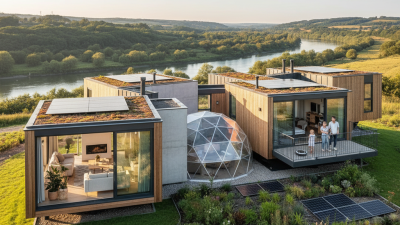
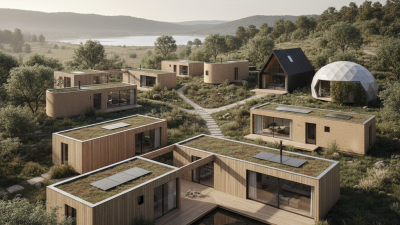
In 2023, several sustainable modular construction projects have showcased the potential of this innovative building strategy. One notable project is a community housing initiative designed to address affordability while prioritizing environmental impact. Utilizing modular units that can be prefabricated off-site, the project reduced construction time significantly. This not only minimized disruption to the environment but also ensured a higher level of quality control in the building process. The integration of green technologies, such as solar panels and rainwater harvesting systems, further enhanced the sustainability of the community, proving that modular strategies can effectively meet both economic and ecological goals.
Another compelling case study focuses on a commercial facility designed with sustainability at its core. This project incorporated modular construction techniques that allowed for rapid assembly, with a significant reduction in waste generated during traditional building methods. The design emphasized the use of recycled materials and energy-efficient systems, significantly lowering the building's carbon footprint. Additionally, the project's flexible layout enables future expansions, which not only meets the current operational needs but also anticipates future growth without necessitating new construction. This adaptability is a key advantage of modular strategies, demonstrating their compatibility with sustainable development in various sectors.