How to Build a Modular House: A Complete Guide for First-Time Homebuyers
 Building a modular house is becoming an increasingly popular choice for first-time homebuyers, thanks to its cost-effectiveness and efficiency. According to industry expert Jane Thompson, a renowned architect specializing in modular construction, "Modular houses not only simplify the home-building process but also offer unmatched flexibility in design and sustainability." This comprehensive guide aims to navigate you through the essential steps of building a modular house, ensuring that you make informed decisions from conception to completion.
In recent years, the modular housing market has gained traction, driven by advancements in technology and a growing demand for affordable housing solutions. Modular houses are pre-fabricated in a factory and then transported to the building site, significantly reducing construction time and minimizing waste. For those contemplating their first home purchase, understanding the advantages and challenges of modular houses is crucial. This guide will equip you with the knowledge necessary to embrace modular living, making it not just a viable option, but an exciting journey towards homeownership.
Understanding the Modular Housing Concept and Its Benefits for Homebuyers
Modular housing has gained popularity among first-time homebuyers due to its innovative approach and numerous benefits. Unlike traditional construction methods, modular homes are built in sections, or modules, in a controlled factory environment. This not only reduces construction time significantly—often by 30% or more—but also minimizes material waste, as highlighted in a 2021 report by the Modular Building Institute, which noted that modular homes generate 80% less waste compared to on-site builds.
One of the standout advantages of modular homes is their affordability. According to the National Association of Home Builders (NAHB), modular homes can save buyers up to 25% in construction costs. This makes them an attractive option for those entering the housing market for the first time, especially given the rising prices of traditional homes. Additionally, modular homes offer flexibility in design and customization, allowing buyers to create a space that perfectly suits their needs.
Tips: When considering a modular home, be sure to research local zoning laws and building codes to ensure compliance. Connecting with a reputable modular builder is crucial; look for companies with a solid track record and positive customer reviews. Lastly, consider energy-efficient options during the design phase to save on utility costs and enhance sustainability.
Key Steps in Planning Your Modular Home Design and Layout
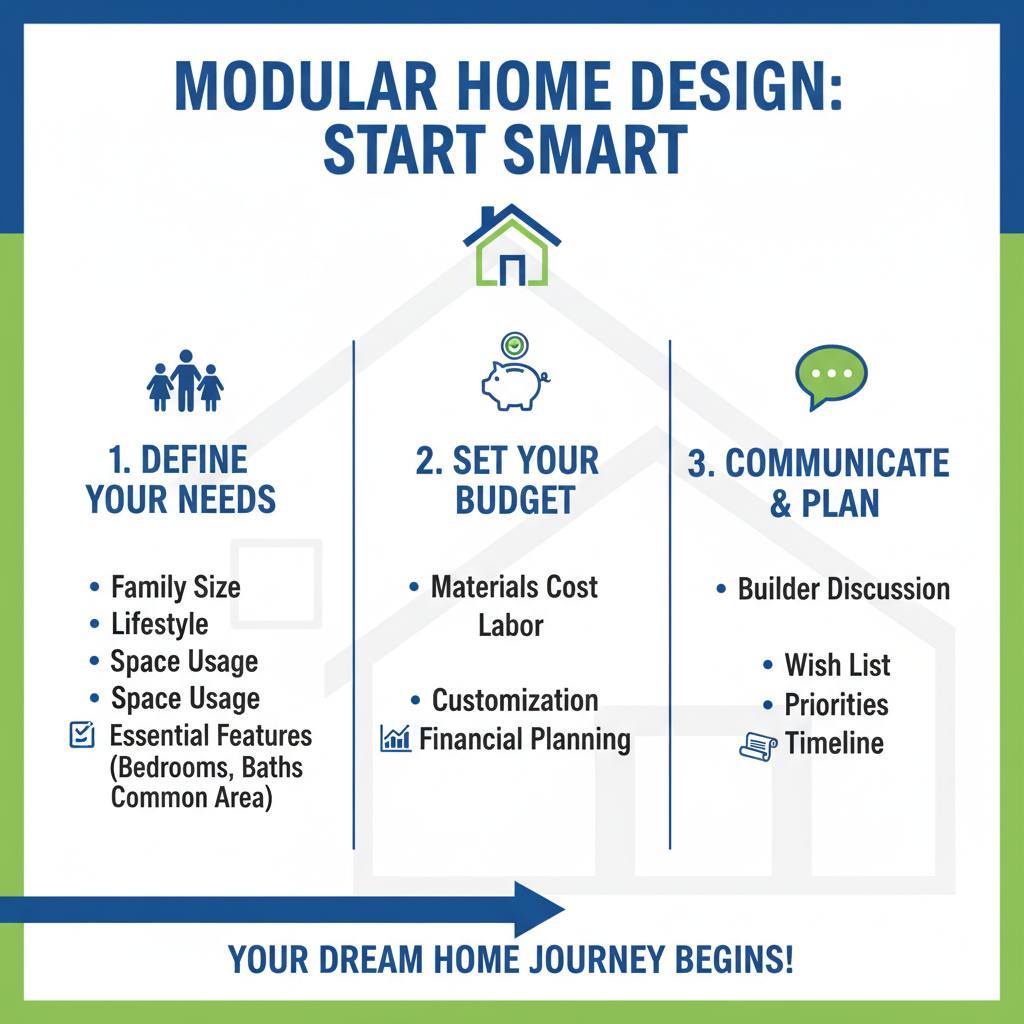
When planning your modular home design and layout, the first step is to understand your needs and preferences.
Consider the size of your family, lifestyle, and how you plan to use the space. Creating a list of
must-have features, such as the number of bedrooms, bathrooms, and common areas, will help you communicate effectively with your builder.
This stage also involves setting a realistic budget, as the cost of materials, labor, and customization can vary widely.
Once you have a clear vision and budget, it's time to explore different modular home designs.
Look for inspiration in online galleries or visit modular home shows. Collaborate with an architect or a modular home designer to refine your layout,
ensuring it maximizes space and functionality. Pay attention to natural light, flow between rooms, and outdoor connections.
By thoughtfully planning your modular home design and layout, you'll create a comfortable and efficient living space
tailored to your unique lifestyle.
Essential Materials and Technology Used in Modular Home Construction
When building a modular house, understanding the essential materials and technology used in the construction process is vital. Modular homes typically utilize wood framing, which is both cost-effective and sustainable. According to the Modular Building Institute, modular construction can save up to 20% compared to traditional building methods, primarily due to reduced labor costs and shorter build times. Additionally, advanced materials such as insulated concrete forms (ICFs) offer superior energy efficiency, making them increasingly attractive to eco-conscious homebuyers.
In terms of technology, modular homes often incorporate innovative construction techniques like 3D modeling and computer-aided design (CAD). This technology not only facilitates precise measurements but also streamlines the assembly process once the modules reach their final destination. Reports indicate that homes built using modular technology can be completed in significantly less time—up to 50% faster compared to conventional builds.
Tip: When selecting materials for your modular home, prioritize those with high energy efficiency ratings. Look for products that have certifications like Energy Star, which can significantly reduce long-term utility costs. Additionally, consider engaging with manufacturers who utilize sustainable practices, ensuring your home is not only cost-effective but environmentally friendly as well.
Cost Analysis: Budgeting for Your Modular Home Project
When considering a modular home, budgeting is a crucial step that can significantly impact the overall success of your project.
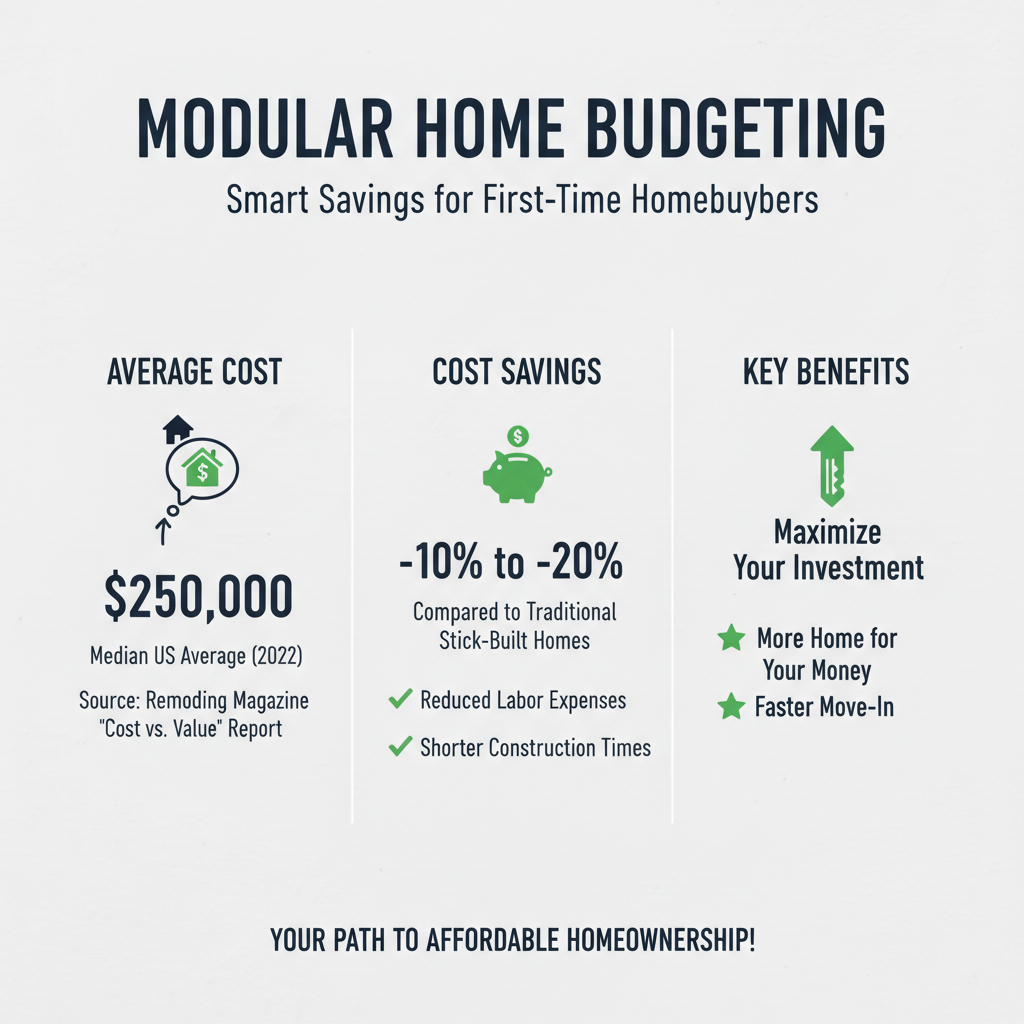
According to the 2022 Cost vs. Value report published by Remodeling Magazine, the median cost of a new modular home averages around
$250,000, which is approximately 10-20% lower than traditional stick-built homes. This cost savings is primarily attributed to reduced labor expenses and shorter construction times, allowing first-time homebuyers to maximize their investment.
Moreover, potential homeowners should also account for additional expenses beyond the base price of the modular home. The National Association of Home Builders (NAHB) states that land costs, site preparation, and foundation work can add an extra 30% to 50% to the overall budget. It's essential to perform a detailed cost analysis, considering variables such as utility connections and local permitting fees, which can vary widely across different regions.
By effectively budgeting and planning for these expenses, first-time homebuyers can ensure a smoother path to homeownership while making informed financial decisions.
Navigating Regulations and Permits for Modular Home Placement
When considering the placement of a modular home, understanding the regulatory landscape is crucial for first-time homebuyers. Modular homes, which are constructed in a controlled environment and assembled on-site, offer a viable solution to the housing crisis. However, various jurisdictions impose specific permit requirements that can complicate the process. For instance, in some areas of Germany, outdated permit regulations are impeding the growth of modular construction, emphasizing the need for updated frameworks that facilitate rather than hinder progress. According to recent reports, the rigid permit rules have resulted in delays that deter developers from investing in modular housing, thus exacerbating the housing shortage.
Navigating these requirements can be daunting, as illustrated by the ongoing discussions around manufactured homes in Caddo Parish, where residents oppose new permit amendments that they view as discriminatory. On the flip side, some regions are starting to recognize the potential of tiny homes and have adopted new ordinances to support their placement. As the U.S. faces a significant housing gap, with millions impacted by unaffordability, it is imperative for potential homeowners to stay informed about local regulations. The adoption of zoning reforms aimed at supporting factory-built housing could help streamline the permitting process and foster quicker responses to the housing demand.
Regulations and Permits for Modular Home Placement