Why Choose a Contemporary House for Your Next Dream Home?
Choosing a contemporary house as your dream home can be a transformative decision. According to a recent report by the National Association of Realtors, 72% of homebuyers are drawn to modern designs. This reflects a growing appreciation for clean lines, open spaces, and energy efficiency. Contemporary houses often incorporate sustainable materials, reducing their ecological footprint.
However, the allure of a contemporary house isn’t just about aesthetics. Many buyers seek homes that complement their lifestyle. Open floor plans encourage social interactions. Large windows invite natural light, enhancing mood and well-being. These features contribute to a living environment that feels both spacious and warm.
Yet, not every contemporary house may fit all tastes. Some find these designs too stark or impersonal. It’s essential to balance modern elements with personal touches. Reflecting on your unique style and needs will ensure that your contemporary house truly feels like home.
Benefits of Contemporary House Design for Modern Living
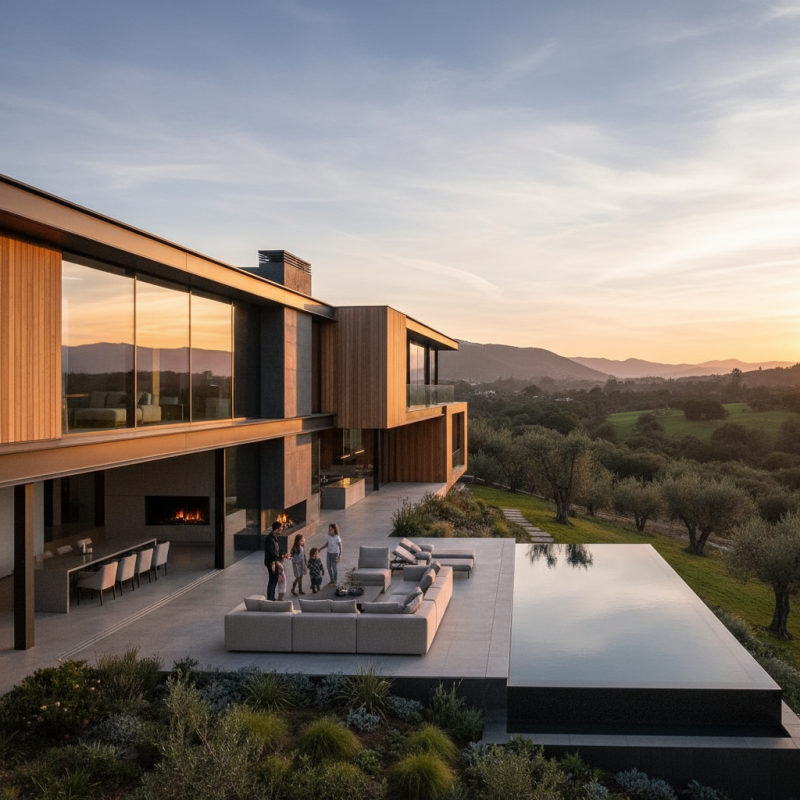
Contemporary house design offers a unique blend of style and functionality. The open floor plans create spacious living areas. These homes often feature large windows, allowing natural light to flood in. This connection to the outdoors enhances the overall living experience. Imagine sipping coffee in a sunlit room, surrounded by nature. This simple pleasure makes a big difference.
Another key aspect is energy efficiency. Many contemporary homes use sustainable materials. They often incorporate advanced technology for heating and cooling. This can significantly lower utility bills. However, these designs might still feel cold or uninviting at times. Personalizing the space becomes essential to transform it into a cozy haven.
Functionality extends to outdoor living as well. Patios and gardens are important elements in contemporary homes. They can serve as relaxing retreats or entertaining spaces. Yet, maintaining these areas can be a challenge. It requires time and commitment. Balancing beauty and upkeep can lead to a sense of dissatisfaction. In this way, living in a contemporary home prompts reflection on how we connect with our environment.
Why Choose a Contemporary House for Your Next Dream Home? - Benefits of Contemporary House Design for Modern Living
| Benefit |
Description |
Example Features |
| Open Floor Plans |
Encourages fluidity and spaciousness, making homes feel larger and more inviting. |
Combined living and dining areas, large kitchen islands. |
| Natural Light |
Large windows and open spaces optimize sunlight, enhancing mood and energy efficiency. |
Floor-to-ceiling windows, skylights. |
| Sustainable Materials |
Focus on eco-friendly materials promotes sustainability and reduces environmental impact. |
Recycled materials, energy-efficient appliances. |
| Innovative Designs |
Contemporary designs often incorporate creative solutions for modern living needs. |
Multi-functional spaces, integrated technology. |
| Minimalist Aesthetic |
A focus on simplicity helps reduce clutter and enhances the visual appeal. |
Clean lines, neutral color palettes. |
Key Architectural Features of Contemporary Homes
Contemporary homes are characterized by their unique architectural features.
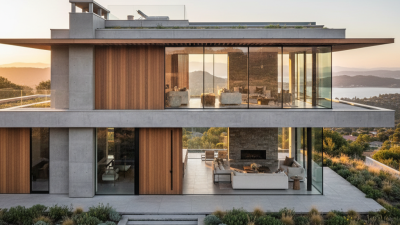
Large windows provide abundant natural light and frame beautiful outdoor views.
Open floor plans create a sense of spaciousness. This design choice encourages social interaction and flexibility in how spaces are used.
The use of natural materials is also prominent. Wood, stone, and metal blend seamlessly.
These elements reflect a commitment to sustainability. According to a recent industry report, over 70% of homebuyers prefer eco-friendly designs.
However, integrating these materials can be challenging. They require careful maintenance and consideration of local climate conditions.
Tips:
When considering a contemporary design, think about energy efficiency.
Solar panels can significantly reduce long-term costs. Also, explore smart home technology for greater convenience and security.
While contemporary homes are visually stunning, they can sometimes feel cold or impersonal.
Striking the right balance is crucial. Incorporating warm color palettes and textiles can enhance comfort.
Thoughtful landscaping can also make these homes feel more inviting.
Energy Efficiency and Sustainability in Contemporary Designs
Contemporary houses often stand out for their sleek designs and modern aesthetics. However, one of their most significant advantages lies in energy efficiency and sustainability. Innovative materials, like recycled steel or reclaimed wood, are frequently utilized. These choices not only reduce waste but also minimize environmental impact. Large windows flood spaces with natural light, reducing the need for artificial lighting.
Moreover, contemporary designs often incorporate advanced insulation techniques. This can lead to lower heating and cooling costs. Solar panels are a common feature too. They transform sunlight into energy, making homes even more self-sufficient. Yet, there is a challenge here. The initial investment for some sustainable technologies can be high. Homeowners may hesitate due to costs. It's essential to weigh long-term savings versus short-term expenditures.
Water conservation is another key aspect to consider. Contemporary homes often include rainwater harvesting systems. This feature supports lush gardens while reducing reliance on municipal water. However, some may find maintenance demanding. Designing a truly sustainable home requires dedication and ongoing effort. The journey toward sustainability is not always straightforward, but the rewards can significantly enhance your living experience.
Energy Efficiency in Contemporary House Designs
This chart illustrates the key energy efficiency features in contemporary house designs. Each feature is assessed for its contribution to overall energy efficiency in percentage terms, showcasing the importance of modern technologies and materials in achieving sustainability in home building.
Flexibility and Customization Options in Contemporary Houses
Contemporary houses offer remarkable flexibility and customization options. Homeowners can personalize spaces to fit their lifestyles. For example, open floor plans allow residents to create multi-functional areas. This is a significant trend, as 65% of buyers emphasize the importance of adaptable spaces in their purchasing decisions, according to industry studies.
When considering a contemporary home, think about your long-term needs. Children may grow up, and family dynamics can shift. A well-designed home should be able to adjust. Incorporating movable walls or modular furniture can help. This flexibility allows residents to repurpose rooms over time, making it a smart investment.
Tips: Consider energy-efficient materials. They can reduce long-term costs. Focus on natural light; it can enhance mental well-being. A good design does not just look appealing; it makes life easier. Keep in mind that planning is essential. Reflect on how your needs might change. A contemporary home can be a canvas for your life story, but it requires thoughtful customization.
Integration of Indoor and Outdoor Spaces in Modern Architecture
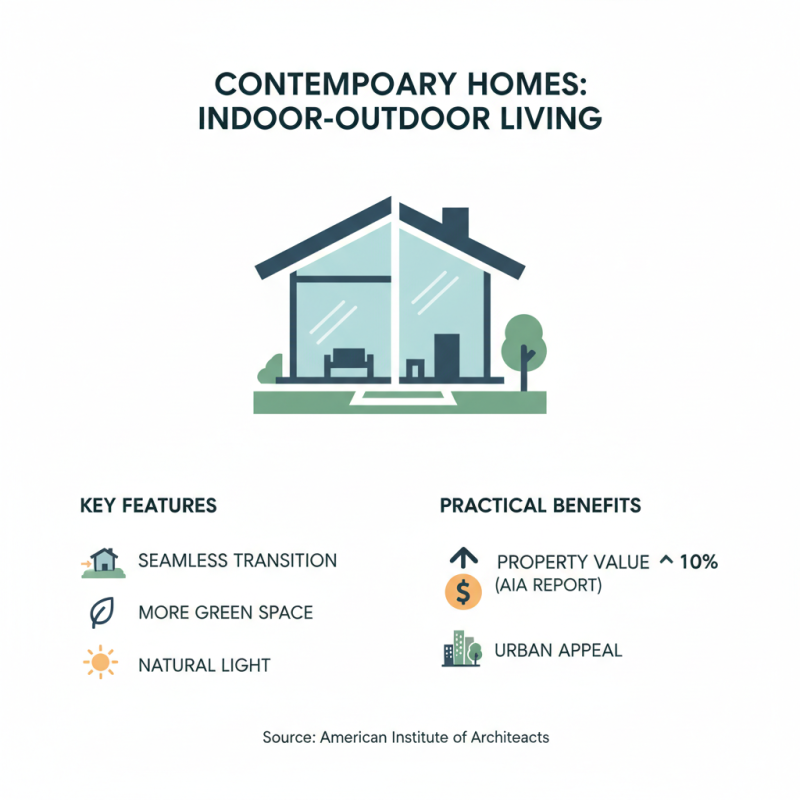
Contemporary homes often feature a strong connection between indoor and outdoor spaces. This trend is not just aesthetic; it has practical benefits. According to a recent report by the American Institute of Architects, homes that integrate these spaces can increase property value by up to 10%. This is particularly appealing in urban settings where green spaces may be limited.
Large windows, sliding doors, and open floor plans enhance light and airflow. These design elements foster a seamless transition between living areas and outdoor patios or gardens. However, the execution isn't always perfect. Poorly planned outdoor spaces can lead to maintenance issues or safety concerns. For instance, improperly placed pavers can create muddy patches during rainy seasons.
Incorporating nature into living environments may also improve mental well-being. A study by the Journal of Environmental Psychology indicated that homes with significant outdoor views positively impact mood and stress levels. Yet, striking the right balance between privacy and openness can be tricky. Strategically placing trees or shrubs is essential, but over-planting can lead to a claustrophobic feeling.