Why Choose a Smart Home Panel for Your Home Automation Needs?
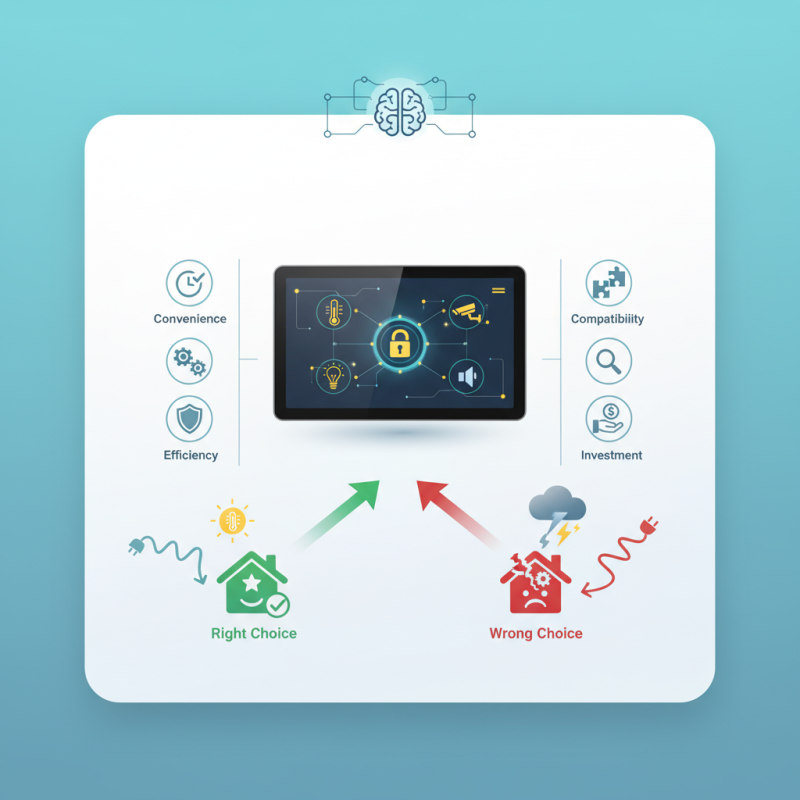
In today's ever-evolving tech landscape, a Smart Home Panel is becoming essential for efficient home automation. According to John McKenzie, a renowned expert in home automation, "A Smart Home Panel is the brain of your smart home." It seamlessly connects and controls multiple smart devices in your home. The convenience it offers is unmatched, but not all panels deliver the same user experience.
Many homeowners are excited about the promise of a Smart Home Panel, envisioning a life of ease and comfort. Yet, some users find challenges with compatibility and device integration. It’s crucial to research various options before making a decision. A well-chosen Smart Home Panel transforms daily routines, but choosing the wrong one may lead to frustration.
Investing in a Smart Home Panel means enhancing your home's efficiency. However, this investment requires careful thought. User feedback often highlights the importance of intuitive interfaces and responsive customer support. Mistakes happen when expectations exceed reality, so potential users should approach their choices wisely. With the right Smart Home Panel, the future of home automation can indeed be bright.
Benefits of Integrating a Smart Home Panel into Home Automation Systems
Integrating a smart home panel into your home automation system offers numerous benefits. These panels serve as command centers for multiple devices. From lighting to security, everything can be controlled from a single interface. This not only simplifies the experience but also enhances efficiency.
Consider the convenience of accessing all devices through one platform. You can adjust your thermostat, check security feeds, or manage alarms with a few taps. This centralization reduces the need for multiple apps cluttering your devices. You can save time and minimize frustration.
Tip: When choosing a smart home panel, focus on user-friendliness. An intuitive interface can make or break your experience. Look for panels with voice control features. This allows for hands-free operation, adding to your comfort.
However, it’s essential to reflect on privacy concerns. Integration means sharing data among devices. Ensure that your chosen panel has robust security protocols. Regular updates and active support from the manufacturer are crucial.
Adding a smart panel can greatly enhance your automation journey. It bridges various functions, making your home smarter and more manageable. The ease of use is undeniable, but careful selection is key.
Key Features of Smart Home Panels and Their Impact on User Experience
Smart home panels are becoming essential for modern homes. They serve as a central hub for automation, enabling users to control various devices efficiently. A well-designed interface is crucial for a positive user experience. Touchscreen functionality makes navigation intuitive. Visual feedback helps users understand their actions. This clarity reduces the frustration often felt with complex systems.
Integration capabilities are another key feature. A smart home panel can connect with lights, security systems, and thermostats. This interconnectivity allows for seamless automation. Users can create scenarios, like dimming lights when a movie starts. However, users must consider compatibility issues. Not all devices work with every panel, which can lead to confusion. Researching before purchase is essential.
User customization options enhance the experience significantly. Many panels allow users to create shortcuts for frequently used functions. This personalization can simplify daily routines. Yet, it may also overwhelm less tech-savvy users. Finding the right balance between advanced features and user-friendliness is challenging. Overall, a smart home panel can greatly impact home automation, but careful consideration is necessary.
Why Choose a Smart Home Panel for Your Home Automation Needs? - Key Features of Smart Home Panels and Their Impact on User Experience
| Feature | Description | User Impact |
| User-Friendly Interface | Intuitive design that simplifies control of smart devices. | Reduces the learning curve for users, making automation accessible. |
| Voice Control | Integration with virtual assistants for hands-free operation. | Enhances convenience, allowing users to control devices with voice commands. |
| Customization Options | Ability to personalize settings and automation routines. | Improves user satisfaction by tailoring the experience to individual needs. |
| Remote Access | Access and control devices from anywhere via mobile app. | Increases security and monitoring capabilities while away from home. |
| Energy Management | Tools to monitor and reduce energy usage across devices. | Helps users save money and reduce their carbon footprint. |
| Integration with Multiple Devices | Compatibility with a wide range of smart home products. | Creates a cohesive smart home ecosystem for seamless interaction. |
Market Trends: Growth of Smart Home Devices and Panel Adoption Rates
The smart home device market is booming. Recent studies indicate that more households are adopting these technologies. According to recent reports, the growth rate of smart home devices has increased significantly over the last few years. This trend shows no signs of slowing down. Automation is becoming more accessible and appealing to a wider audience.
One reason for this surge is the increasing functionality of smart home panels. These panels serve as comprehensive control hubs for managing everything from lighting to security systems. However, some consumers feel overwhelmed by the complexity. There are so many options available, and deciding what to choose can be daunting. Yet, smart home panels simplify these choices by providing centralized control.
Another factor to consider is the evolving landscape of user experience. People want systems that are easy to use and integrate seamlessly into their daily lives. As user-friendly designs emerge, adoption rates are likely to rise further. Still, not every device works perfectly for every home. Adaptability remains a critical aspect to evaluate when selecting the right solutions. This blend of functionality and user-centric design is essential for continued growth in the smart home market.
Growth of Smart Home Devices Adoption (2020-2023)
This chart illustrates the growth in adoption rates of smart home devices from 2020 to 2023. The increasing trend indicates a growing interest in home automation solutions.
Comparative Analysis: Smart Home Panels vs. Traditional Control Methods
Smart home panels have transformed home automation. Research shows that as of 2022, smart home device installations rose by 25% compared to the previous year. Traditional control methods often involve multiple devices and apps, creating user frustration. Smart home panels centralize control, reducing complexity and enhancing user experience.
Many users face challenges with traditional systems. They often rely on remote controls and manual adjustments for each device. In contrast, smart panels allow for automation and easy command execution via voice or a single interface. A study found that over 70% of consumers prefer consolidated control options.
Tips: For a seamless experience, choose a smart home panel that supports multiple devices. Ensure it is user-friendly and fits your lifestyle. Remember to evaluate your home’s layout to optimize device placement. Poorly positioned devices can lead to connectivity issues. Leveraging smart technology should simplify your life, not complicate it.
Cost-Benefit Evaluation: Long-term Savings from Smart Home Automation Solutions
Smart home automation solutions can lead to impressive long-term savings. According to a report by the Consumer Technology Association, smart home technology can reduce energy costs by up to 30%. This reduction stems from improved energy efficiency in appliances, lighting, and heating systems. Over time, these savings can significantly offset initial investment costs, making smart home panels a wise choice for homeowners.
Consider that an average household could save about $1,200 annually by integrating smart automation. These savings often come from reduced utility costs and the ability to optimize energy use. For instance, smart thermostats adjust heating based on occupancy, reducing energy waste when homes are empty. Investing in a smart home panel not only adds convenience but also serves as a long-term cost-saving tool.
Tip: Evaluate your current energy bills before investing. Identify areas where automation can yield faster returns. Factors like climate control should be prioritized. Understanding potential savings helps ensure smart home systems become a sustainable financial decision. Reflect on your specific needs and usage patterns. This awareness can lead to more significant savings and a smarter home.

