Why Choose SPC Wall Panels for Your Next Project?
When considering materials for your next project, SPC Wall Panels stand out for numerous reasons. These panels combine durability, aesthetic appeal, and ease of installation. Made from stone plastic composite, they offer a robust solution for both residential and commercial spaces. Their waterproof nature makes them ideal for areas prone to moisture, such as bathrooms and kitchens.
SPC Wall Panels are more than just a trendy choice. They provide an excellent balance between style and functionality. With a variety of finishes and colors, they can fit any design vision. However, it’s essential to assess whether they meet your specific needs. Not all projects are the same, and what works for one may not suit another.
As you navigate your options, consider the long-term benefits of SPC Wall Panels. While they are often more costly upfront, their longevity can save money down the line. Remember to reflect on your project's unique requirements and consult with experts to ensure you make the best choice.
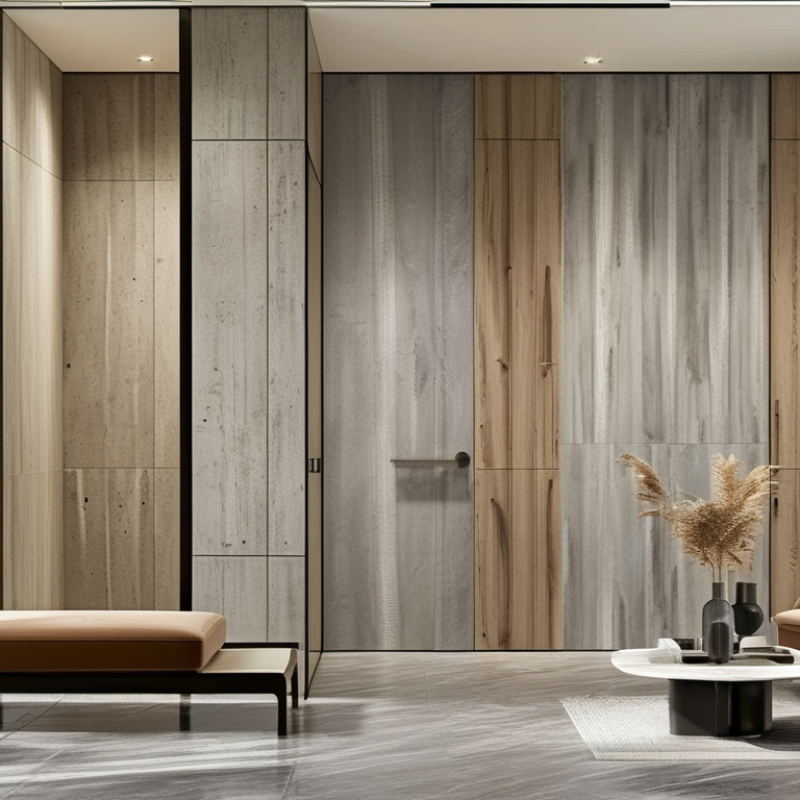
Benefits of Using SPC Wall Panels in Various Applications
SPC wall panels have emerged as a leading choice for various applications, largely due to their durability and versatility. According to market research, the global market for wall panels is expected to reach $32 billion by 2026, with a significant share attributed to SPC materials. Their resistance to moisture and impact makes them ideal for areas prone to wear and tear. This is especially valuable in commercial spaces like offices and retail outlets.
In residential settings, SPC wall panels provide a stylish finish while being easy to install. A recent study revealed that homeowners prefer SPC panels for their aesthetic appeal and low maintenance requirements. Additionally, they are eco-friendly, often made from recycled materials. However, some users have reported challenges with installation precision, highlighting the need for skilled labor in certain projects.
The adaptability of SPC panels extends beyond walls. They are also suitable for ceilings and decorative features, offering a seamless look. Despite their many benefits, there may be concerns about long-term wear and potential color fading. Addressing these issues through proper usage and maintenance can ensure a lasting investment. The balance of innovation and practicality makes SPC wall panels a compelling option for future construction projects.
Durability and Maintenance: Why SPC Panels Stand Out
SPC wall panels are rising in popularity for various construction projects. One key reason is their outstanding durability. According to industry reports, these panels often outperform traditional materials like wood and drywall, offering a lifespan of over 20 years. They resist moisture and stains, making them ideal for high-traffic areas. The low-maintenance aspect is a relief for contractors and homeowners alike. Regular cleaning with mild soap and water can keep them looking new, eliminating the need for harsh chemicals.
Tips: Always check for proper wall conditions before installation. An uneven surface can lead to complications later.
In terms of maintenance, SPC panels require minimal effort. Unlike traditional materials, they do not warp or swell when exposed to humidity. Studies show that 75% of building owners prefer SPC due to its resilience against wear and tear. These panels also feature a simple installation process, reducing labor time and costs, which can often lead to project delays.
Tips: Ensure you have all necessary installation tools ready. Preparation can streamline the entire process significantly.
Choosing SPC wall panels not only enhances the aesthetic appeal of a space but also supports long-term project sustainability. Their robust attributes make them a wise choice for those seeking durability and efficiency.
Durability and Maintenance Comparison of Wall Panel Materials
Aesthetic Versatility: Design Options with SPC Wall Panels
SPC wall panels offer remarkable aesthetic versatility, making them a popular choice for various design projects. They come in a range of textures and colors, allowing for creative freedom. Homeowners and designers can select from wood-like finishes, sleek modern styles, or vibrant colors. This flexibility makes SPC panels suitable for different environments, from cozy homes to sharp commercial spaces.
In addition to aesthetic appeal, SPC panels are practical. They resist moisture, making them ideal for kitchens and bathrooms. Unlike traditional materials, they don't warp or fade easily. However, while SPC panels are durable, some find installation tricky. Ensuring proper alignment and fitting can become a challenge for less experienced DIYers. Learning the right techniques is essential to achieve a polished look. Balancing aesthetics with functionality often requires careful thought and consideration.
Cost-Effectiveness: SPC Panels vs. Traditional Wall Materials
SPC wall panels are becoming increasingly popular for various projects. Their cost-effectiveness is particularly notable when compared to traditional wall materials like drywall or wood. Reports indicate that SPC panels can reduce installation costs by 30% to 50%. This reduction is largely due to their lightweight nature and easy installation process, which minimizes labor expenses.
Additionally, SPC panels are durable and resistant to moisture. Traditional materials often require additional treatments to withstand humid environments. In fact, studies show that moisture-related damage can lead to repair costs soaring beyond $1,000 per incident. By choosing SPC, homeowners and contractors can avoid these unexpected expenses.
**Tip:** Always consider the long-term savings when selecting wall materials. SPC panels not only lower initial costs but also help prevent future repairs.
However, it's essential to evaluate the environmental impact of your choices. Some reports highlight concerns about the production processes of synthetic materials like SPC. Seeking transparency from suppliers about manufacturing practices can help in making a responsible choice.
**Tip:** Verify certification claims related to sustainability. This can provide additional peace of mind for your project.
Eco-Friendly Aspects of SPC Wall Panels in Construction
SPC wall panels have gained popularity in construction due to their eco-friendly properties. They are made from stone plastic composite, which is a blend of natural limestone and PVC. This combination reduces plastic waste and minimizes environmental impact. Unlike traditional materials, SPC panels are reusable and recyclable, contributing to a sustainable building process.
Choosing SPC wall panels can reduce the carbon footprint of your project. They require less energy for production compared to wood or metal alternatives. Moreover, SPC panels are often manufactured without harmful chemicals, ensuring a healthier indoor environment. The durability of these panels means they last longer, which also leads to less waste over time.
Tips: To maximize the eco-friendly benefits, ensure proper installation and maintenance. Consider sourcing panels from manufacturers that prioritize sustainable practices. Always check for certifications that guarantee low emissions and responsible sourcing. Avoid over-ordering to minimize excess material. Make informed decisions to enhance your project's sustainability.
Why Choose SPC Wall Panels for Your Next Project? - Eco-Friendly Aspects of SPC Wall Panels in Construction
| Aspect | Description | Environmental Impact | Benefits |
| Material Composition | Made from recycled and sustainable materials. | Reduces waste and minimizes resource consumption. | Promotes sustainability and reduces carbon footprint. |
| Manufacturing Process | Uses eco-friendly production techniques. | Lowers emissions and environmental contamination. | Enhances overall eco-friendliness of the product. |
| Longevity | Durable and resistant to wear and tear. | Decreases the need for frequent replacements. | Conserves resources over the product’s lifespan. |
| Recyclability | Can be recycled at the end of its life cycle. | Reduces landfill waste and promotes circular economy. | Supports sustainable disposal practices. |
| Indoor Air Quality | Free from harmful chemicals and VOCs. | Improves indoor air quality for occupants. | Enhances health and well-being in living spaces. |

