How to Choose Modern Tiny Homes for Sustainable Living?
As urban areas continue to expand, many individuals seek sustainable living options. Modern tiny homes have emerged as a popular choice, reflecting a shift toward minimalism and environmental responsibility. According to a report by the Small House Society, the tiny home movement has grown by over 70% in recent years, driven by a desire for financial freedom and ecological sustainability.
Expert Michael Smith, a leading figure in the modern tiny homes industry, emphasizes the importance of careful selection. He states, "Choosing the right tiny home is crucial for achieving long-term sustainability." This insight highlights the necessity of considering aspects such as materials, energy efficiency, and design.
While modern tiny homes can offer substantial benefits, they also present challenges. Space constraints can lead to a lack of storage and personal comfort. Moreover, finding suitable land for placement can complicate the ownership experience. A thoughtful approach is needed to navigate these complexities effectively.
Factors to Consider When Choosing Modern Tiny Homes
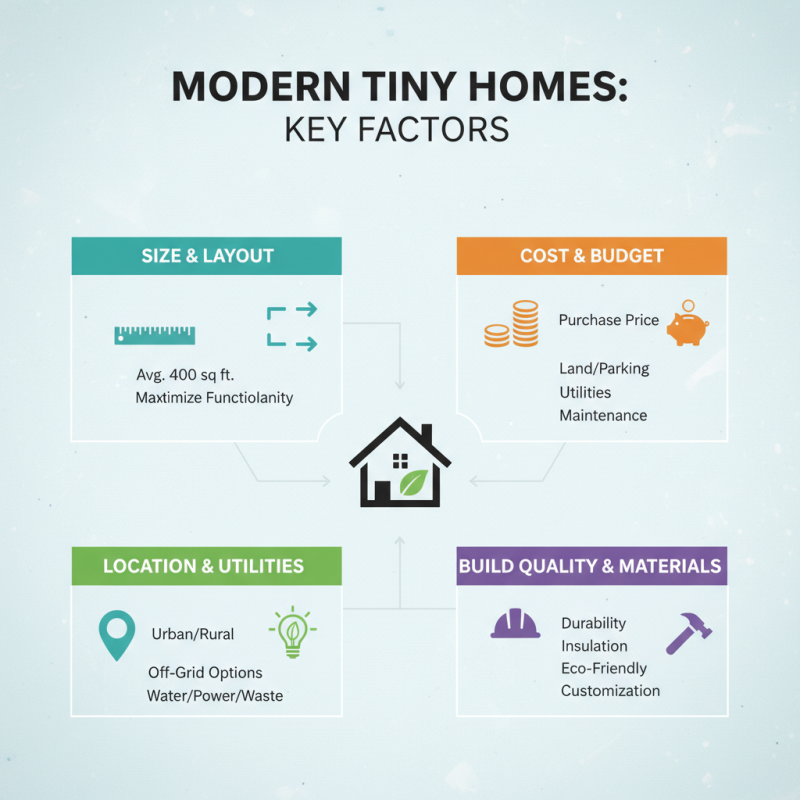
Choosing a modern tiny home requires careful consideration of various factors. Size and layout play crucial roles. The average tiny home is about 400 square feet, offering limited space. This can be both liberating and challenging. Think about how you plan to use each area. A well-designed space maximizes functionality. Open floor plans can enhance flow but might compromise privacy.
Materials and sustainability are equally important. Reports indicate that tiny homes can reduce carbon footprints significantly—by up to 45% compared to traditional homes. Look for eco-friendly building materials. Recycled steel and sustainably sourced wood are great options. Consider energy-efficient windows and insulation to save on bills.
Local climate impacts your choice too. A tiny home in a warm area may need different features than one in a snowy locale. Be aware of zoning laws and permits. They can be a roadblock for your dream home. Reflect on your lifestyle. Are you ready for the minimalist approach? Tiny living prepares you for significant life changes, both good and bad.
Understanding Sustainable Living Principles
Sustainable living focuses on reducing our ecological footprint. This lifestyle often involves smaller, eco-friendly homes. Modern tiny homes represent this shift. They use fewer materials and energy. This can lead to significant environmental benefits.
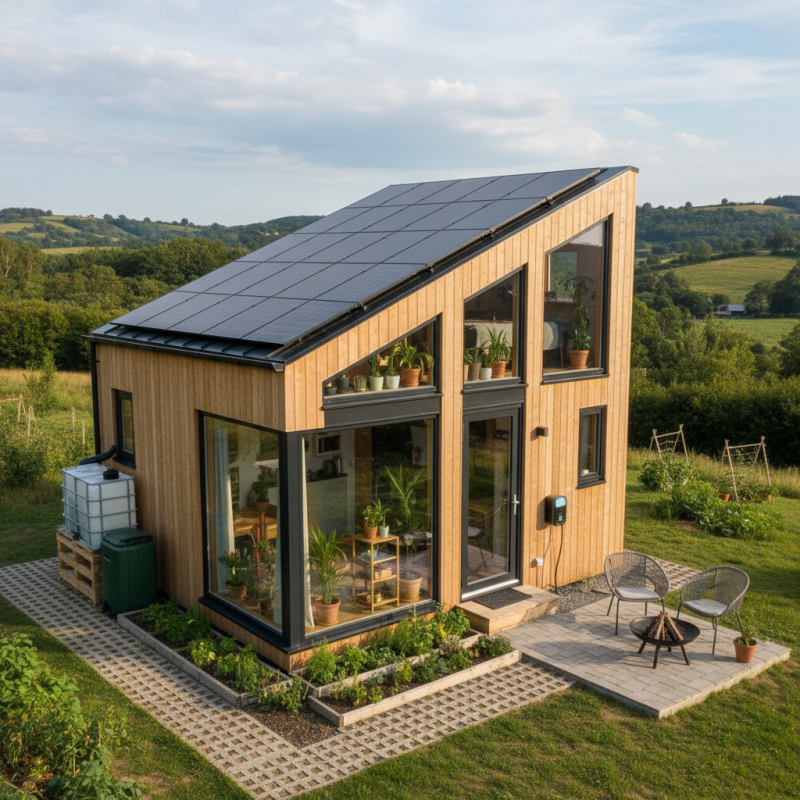
When choosing a tiny home, consider its design and materials. Look for homes built from renewable resources. Bamboo and reclaimed wood are good examples. Pay attention to insulation and energy efficiency. Solar panels can help reduce energy costs. However, remember that not all tiny homes are created equal. Some might skimp on quality for a lower price. This can lead to issues later on.
Embracing sustainable living also means being mindful of location. Urban areas may offer better access to resources. But they often come with higher living costs. Rural settings might provide tranquility but can lack services. Reflect on what your priorities are. It’s essential to find a balance that suits your lifestyle while being kind to the planet.
Design Features That Enhance Energy Efficiency
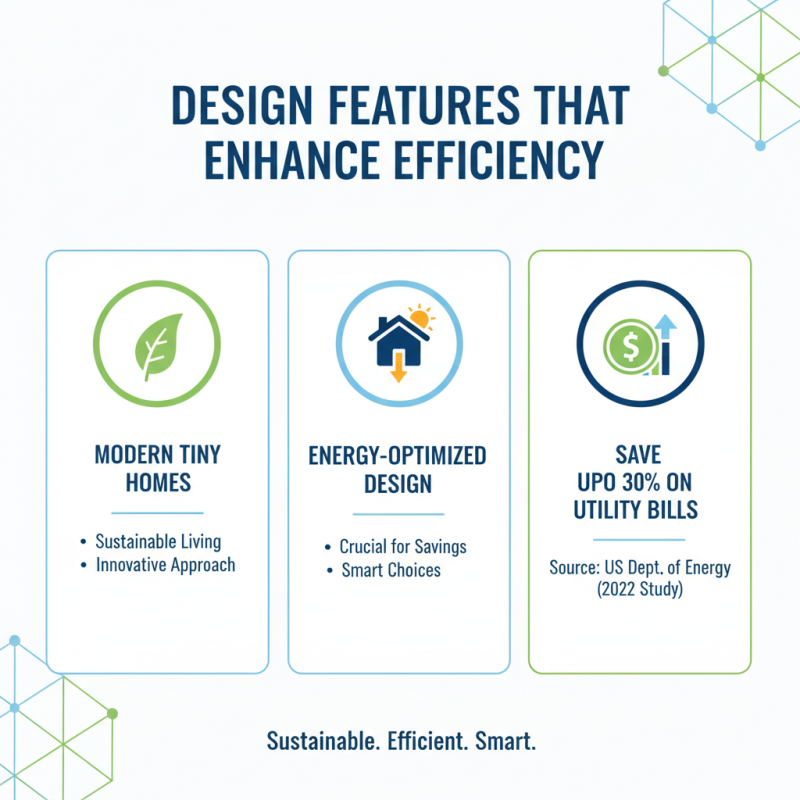
Modern tiny homes offer an innovative approach to sustainable living. The emphasis on design features that enhance energy efficiency is crucial. According to a 2022 study by the U.S. Department of Energy, homes optimized for energy use can save homeowners up to 30% on utility bills. This statistic highlights the importance of smart design choices.
Using insulated materials is vital. Triple-pane windows, for example, not only reduce heat loss but also contribute to a quiet living environment. Many tiny homes focus on maximizing natural light, reducing reliance on artificial lighting. High-efficiency LED fixtures provide light while consuming less energy.
Heating and cooling represent significant energy costs. A well-designed tiny home often incorporates mini-split systems for targeted temperature control. Fans and natural ventilation strategies can offer additional comfort, but they are not foolproof. Homeowners must be cautious of cold drafts in winter months. Focusing on renewable energy sources, like solar panels, can help offset these demands. This approach can be a game-changer but requires upfront investment and careful planning.
Evaluating Materials for Eco-Friendly Construction
When selecting materials for modern tiny homes, consider sustainability as a priority. Eco-friendly construction materials contribute to energy efficiency and minimize harm to the environment. Reports show that using sustainable materials can reduce carbon emissions by up to 30%. This is significant for homeowners aiming to lessen their ecological footprint.
Look for recycled or repurposed materials. These options not only lower waste but also lessen the demand for new resources. For example, reclaimed wood adds character to your tiny home while being environmentally responsible. Additionally, consider materials with low volatile organic compounds (VOCs). VOCs can harm indoor air quality. The healthier the environment inside your home, the better for you and the planet.
Tip: Research local suppliers for sustainable materials. Often, they'll have options that cater to eco-conscious builders. Also, aim for insulation materials that are both effective and eco-friendly. This can significantly lower heating and cooling costs.
In your search, don’t overlook the potential of innovative options like straw bales or bamboo. These may not always be top-of-mind, yet they can offer excellent insulation and are renewable. Reflect on how these choices align with your values and lifestyle. Making a thoughtful selection is vital for building a sustainable future.
Material Evaluation for Modern Tiny Homes
This chart displays the sustainability scores of various eco-friendly materials used in modern tiny homes. The scores reflect how well these materials contribute to sustainable living, with higher scores indicating more eco-friendly options.
Assessing Location and Community for Tiny Homes
Choosing a location for your tiny home is crucial. It shapes your lifestyle and influences your community interactions. Look for areas that align with your values. Proximity to nature might be essential. Consider access to parks, lakes, or forests. These features enhance your living experience. You may want vibrant urban settings too. They offer culture and social opportunities.
Evaluate the community surrounding your tiny home. Small towns often provide a close-knit feel. Neighbors might support one another. This connection can be comforting. However, rural areas may lack some conveniences. It’s a trade-off. Try visiting potential locations. Spend time talking to locals. Hearing their experiences can guide your decision.
Think about amenities that matter to you. Restaurants, shops, or public transport can affect your daily life. Living in a tiny home doesn’t mean sacrificing comfort. Look for areas with sustainable resources. Access to grocery stores embracing local produce is significant. Reflection on these aspects will deepen your understanding of sustainable living. Make sure this choice resonates with your journey.