How to Choose the Best 3D Architectural Renders for Your Project?
When it comes to choosing the best 3D architectural renders for your project, expertise matters. Renowned architect John Smith once stated, "The right 3D architectural render can bring a design to life." This insight highlights the importance of selecting quality visualizations. With a multitude of rendering services available, where do you begin?
Consider your project's unique needs. Are you showcasing residential buildings or commercial spaces? Each type requires a different rendering style. Pay attention to the details in textures and lighting. These elements significantly impact the viewer's perception. Reflect on your previous experiences with other visualizations. Did they capture your vision effectively? A render should not only look good but also resonate with your message.
Quality 3D architectural renders offer realism and clarity. They can elevate your project presentation. However, beware of overly complex designs that may confuse. Simplicity is often key. Look for professionals with a strong portfolio. Research their past work to ensure reliability. A well-chosen render can make your project stand out in a competitive market.
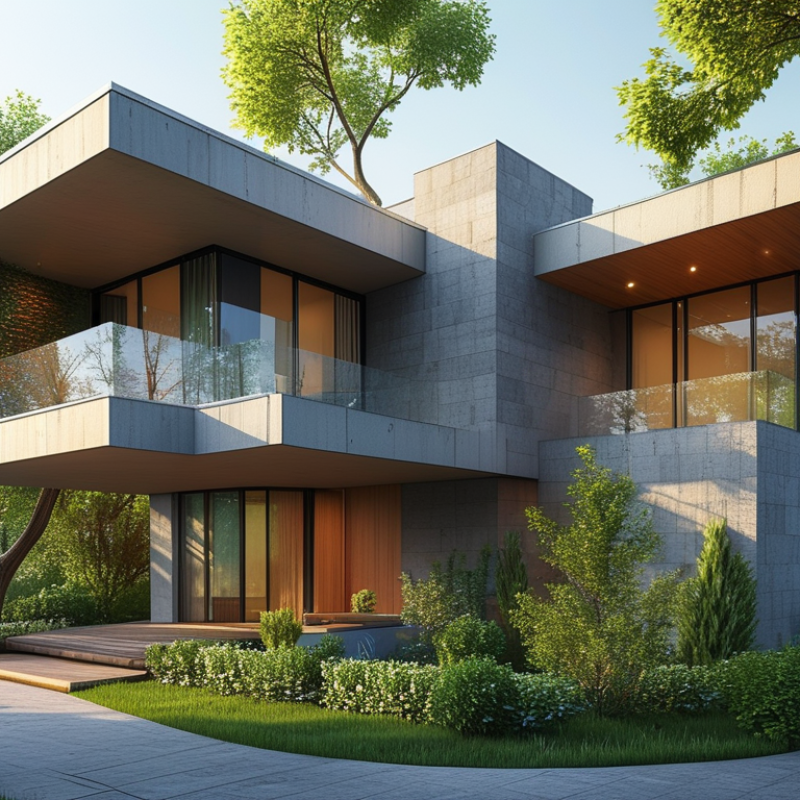
Understanding the Importance of 3D Architectural Renders in Design
3D architectural renders play a crucial role in the design process. They bring concepts to life, offering a visual representation of a project. This visualization helps stakeholders understand the design intent clearly. Without 3D renders, communication can become challenging. A floor plan alone often fails to convey the essence of a space.
Moreover, these renders allow for early feedback. Clients can see lighting effects, materials, and spatial relationships. This immediate visual feedback helps in making necessary adjustments. However, not all renders are created equal. Some may lack detail, resulting in misinterpretation. It’s important to evaluate the quality closely. Quality renders require skilled professionals with the right tools.
Attention to detail is necessary. A good render should evoke emotions and showcase the project’s potential. Yet, it’s common to overlook aspects that could enhance a visual. Simplicity can sometimes be effective, but it can also lead to underwhelming results. Recognizing that not every render will meet expectations can lead to better choices in future projects. By reflecting on past mistakes, architects and designers can evolve their approach to 3D renders.
Identifying Your Project Requirements and Goals for 3D Renders
When embarking on a project that involves 3D architectural renders, it's essential to understand your requirements and goals. Identifying the purpose of the renders allows you to choose the right style and quality. Are you looking to showcase a residential space or visualize a commercial project? Each demands different considerations.
Tips: Focus on specific details. What mood do you want to convey? Warm and inviting or sleek and modern? Having a clear vision will direct your choices.
Consider the audience for your renders. Clients may need detailed views, while marketing materials might require more stylized images. Defining the intended use informs the level of detail and realism required.
Tips: Gather references from completed projects. These can give you a clearer understanding of what resonates with you.
Be prepared to adjust your expectations. Sometimes the ideal render doesn't match your budget or timeline. Embrace the process, as every project teaches valuable lessons.
Evaluating Different Styles and Techniques in 3D Architectural Visualization
When evaluating styles and techniques in 3D architectural visualization, it’s crucial to consider the emotional impact of the renderings. Different techniques evoke various feelings. For example, photorealistic renders can create a sense of realism and immersion, while stylized images may inspire creativity and imagination. According to a report by the American Institute of Architects, around 74% of clients prefer photorealistic visualizations over other styles. This preference drives many architects to invest in high-quality rendering services.
Tip: Always align your chosen style with the project's goals. Are you aiming to evoke a feeling of luxury? Consider high-end, detailed presentations. Projects focused on sustainability may benefit from natural light and earth-toned palettes.
Look also into the impact of various techniques like 3D animations. They can provide a dynamic view of a space, showcasing the flow and function uniquely. However, animations require a bigger budget and more time. In fact, studies show that 3D animations can increase client engagement by up to 40%.
A challenge may arise when selecting techniques. Not every style suits every project. A modern design might feel out of place when rendered in a classic style. Always assess whether a chosen style accurately represents your vision and adds value.
3D Architectural Rendering Styles Comparison
Comparing Software and Tools for Creating 3D Architectural Renders
Choosing the right software for 3D architectural rendering is essential. Various tools can significantly influence the quality of your project. A recent report from the Architectural Visualization Association noted that 82% of architects consider visualization tools crucial for client presentations. This data highlights the importance of selecting software that not only meets project requirements but also enhances communication with clients.
When comparing different 3D rendering tools, consider their key features. Workflow efficiency is vital. Many tools offer plugins to enhance performance; however, some require extensive learning time, which can slow down a project. A survey indicated that 63% of architects faced challenges due to steep learning curves with specific software.
In addition to efficiency, rendering quality matters. Tools vary in rendering capabilities, from photorealistic images to simpler representations. While some may produce stunning images, they could also strain system resources. Finding a balance between resource intensity and visual output is crucial. Additionally, user feedback can help gauge tool reliability, but not all reviews are unbiased. Be cautious of the source when gathering opinions on software.
Selecting the Right Professional or Service for Your 3D Rendering Needs
Selecting the right professional or service for your 3D rendering needs requires careful consideration. Start by assessing the portfolio of potential candidates. Look for diversity in their work, showcasing various styles and techniques. A well-rounded portfolio indicates experience. Pay attention to the details in each render. Not every project will capture your vision perfectly. Note the imperfections; they can reveal the artist's growth and areas for improvement.
Communication is key. Engage with potential artists or firms to gauge their understanding of your project. Ask questions about their process and timelines. A reliable professional will clearly articulate their approach. Look for someone who listens actively and provides constructive feedback. This collaboration can lead to a better final product.
Consider reviews and testimonials from past clients. Finding genuine feedback helps establish trust. It's crucial to identify consistent themes in these reviews. Some clients may have faced challenges, revealing how the service responded. A responsive and transparent professional is invaluable. Ultimately, your choice should resonate with your project's goals and your personal vision.

