2025 How to Choose the Best Expandable House for Your Growing Family Needs
In an ever-evolving world, the concept of home is transforming to accommodate the dynamic needs of growing families. As lifestyles change and the need for flexibility increases, the importance of an "expandable house" becomes more apparent. Renowned architect and expert in modular living, Dr. Emily Hartman, has stated,
"An expandable house is not just a structure; it’s a vision for sustainable living and a response to the changing dynamics of family life." This insight underscores the significance of adaptable living spaces that grow alongside our needs.
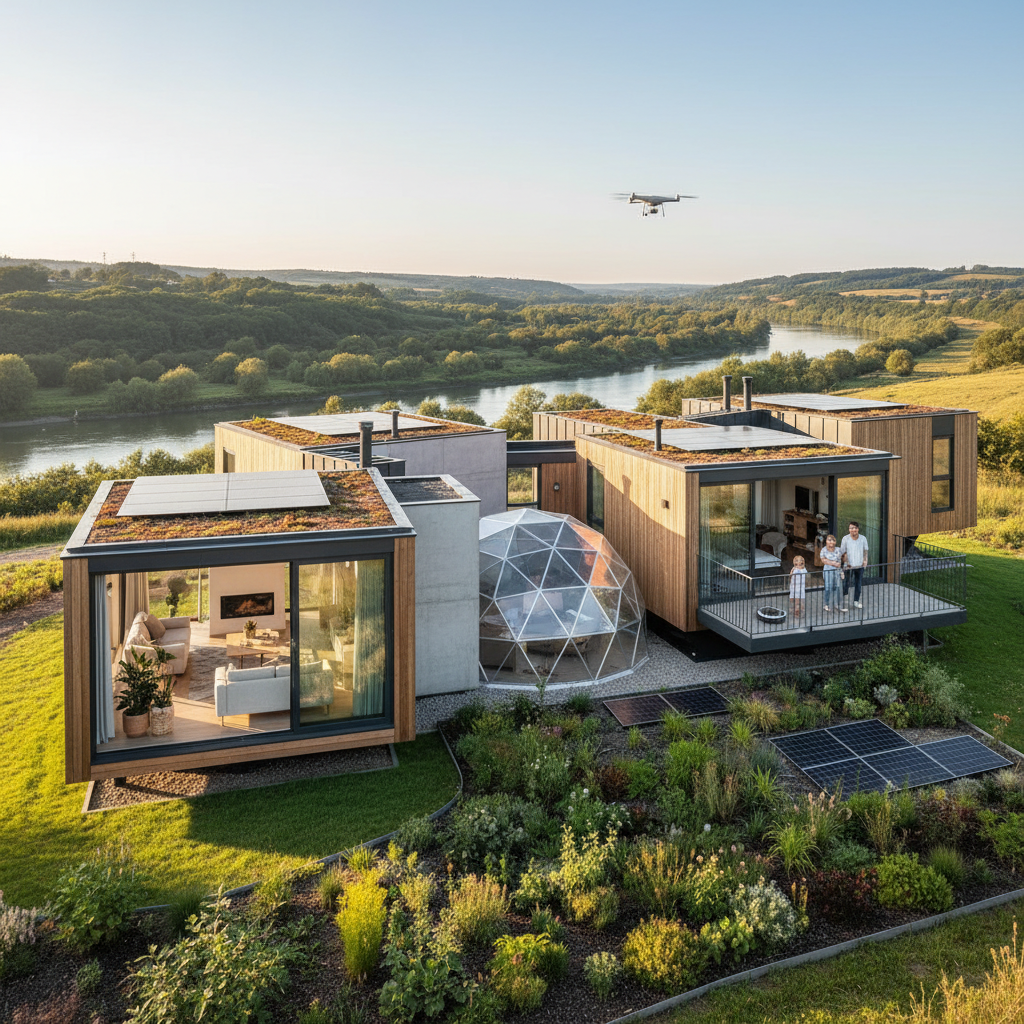
In 2025, the selection process for the perfect expandable house requires a thoughtful consideration of various factors, including space, design, and future expansion possibilities. Families must not only evaluate their current requirements but also anticipate their evolving lifestyle to ensure that their home remains a sanctuary for years to come.
With innovation in construction and design, the options available for customizable living spaces are abundant, offering families the opportunity to create a nurturing environment tailored to their unique needs.
As we delve deeper into the world of expandable houses, we will examine the key considerations that should guide families in making an informed decision. From the benefits of modular designs to practical tips on maximizing space, this guide aims to empower families to choose a home that reflects growth, sustainability, and comfort, ensuring that their living space beautifully adapts over time.
Understanding the Concept of Expandable Houses and Their Advantages
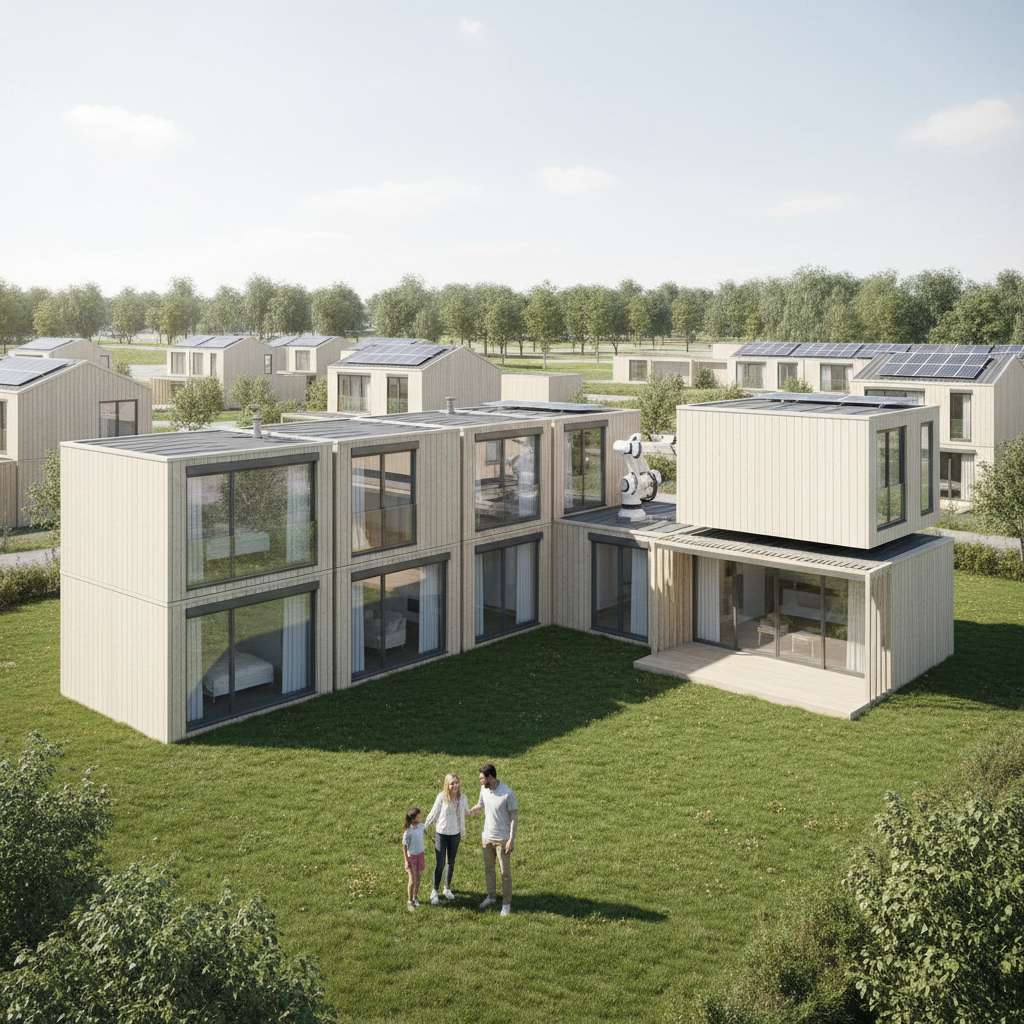
Expandable houses are a progressive housing solution that adapts to the evolving needs of growing families. The concept revolves around a modular design that allows for easy expansion and customization as family requirements change. According to a report by the Modular Building Institute, the modular construction market in North America is expected to reach $157 billion by 2026, reflecting a rising demand for flexible housing options. This shift emphasizes not only the cost-effectiveness of expandable houses but also their quick installation, presenting them as an attractive option in increasingly fast-paced living environments.
The advantages of expandable houses extend beyond mere space. They often come with energy-efficient designs that reduce long-term utility costs, aligning with the growing emphasis on sustainability. A study by the U.S. Green Building Council indicates that eco-friendly homes can reduce energy consumption by up to 30%. Furthermore, many expandable house designs incorporate smart home technology, enhancing convenience and security for families. As families grow and lifestyles change, the ability to modify living space without undergoing the hassle of entire renovations becomes a crucial factor in modern homeownership decisions.
Identifying the Key Factors for Your Family's Growth Needs
When considering the expansion of your home to accommodate a growing family, it is essential to identify key factors that address your family's specific needs.
Research indicates that family dynamics evolve significantly during early childhood, a critical period that lays the foundation for holistic development.
This highlights the importance of choosing an expandable house that not only increases space but also fosters a nurturing environment.
According to a report by the World Health Organization, investing in adequate living conditions can enhance children's cognitive and emotional growth, which is vital in those formative years.
In addition to space, emotional well-being must be considered when selecting a home.
A 2021 study published in the Journal of Family Psychology found that unmet needs in safety, emotional support, and social connection can adversely affect family dynamics, leading to increased stress and mental health challenges.
Therefore, when evaluating expandable houses, families should also look for features like neighborhood safety, access to community resources, and the potential for creating functional spaces that promote family interactions and individual well-being.
By prioritizing these factors, families can make informed decisions that align with their current and future growth needs.
Evaluating Different Types of Expandable House Designs
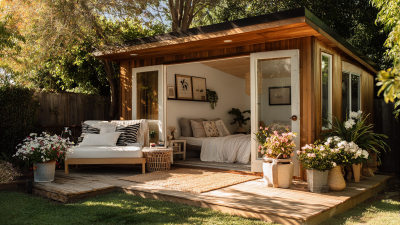
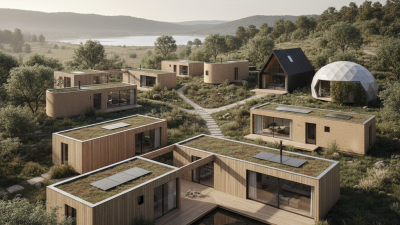
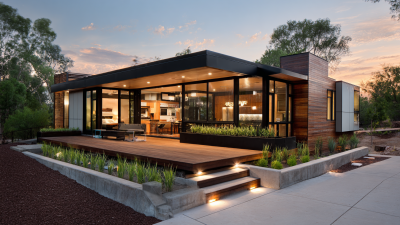
When considering an expandable house for your growing family, it's essential to evaluate the different types of designs available. A popular choice is the modular home, which consists of pre-fabricated sections that can be added or rearranged. This type of design not only allows for quick construction but also provides flexibility for future expansions. Families can start with a compact structure that meets their immediate needs and expand it over time as their space requirements increase.
Another option to consider is the multi-generational home design, which incorporates separate living spaces within a larger house. This setup is perfect for families looking to accommodate elderly parents or young adults while maintaining privacy. Such designs often feature dual entrances and distinct living areas, ensuring that every family member has their own space, yet fostering a close-knit atmosphere. Ultimately, the best expandable house design will align with your family's lifestyle, space requirements, and future aspirations.
Assessing Budget and Financing Options for an Expandable Home
When considering an expandable house for your growing family, assessing your budget and financing options is paramount. According to a recent report by the National Association of Home Builders (NAHB), about 65% of prospective homebuyers prioritize affordability, with many families looking for ways to maximize their investment. An expandable home can offer flexibility and cost-effectiveness, allowing families to plan for future needs without the immediate expense of a larger home.
Financing options play a crucial role in this decision-making process. A study by the Federal Housing Finance Agency (FHFA) indicates that nearly 30% of homebuyers utilize renovation loans, which can be advantageous for those considering expansion. This type of financing typically allows homeowners to borrow against the future value of the home after renovations, making it a viable option for families anticipating growth.
It’s essential to consider factors such as interest rates, loan terms, and potential increases in property value when exploring these financial avenues, ensuring that your family’s future needs are met without stretching your finances too thin.
Planning for Future Expansion: Guidelines and Considerations
When considering an expandable house for your growing family, it’s crucial to plan for future expansion by evaluating your current and anticipated needs. Begin by assessing family dynamics, such as the number of children you plan to have or if inviting grandparents to live with you is a possibility. Understanding your lifestyle will help determine the necessary space requirements. Look for homes that feature flexible layouts and adaptable spaces that can be easily modified as your family grows.
Additionally, consider the location and zoning regulations that may affect expansion. Choose a property with adequate land that allows for future extensions or remodels without restricting development, such as local building codes or neighborhood associations. It’s also wise to think about the potential resale value of your expandable home. A well-constructed house designed for growth will appeal to future buyers, ensuring that your investment remains sound. By carefully evaluating these factors, you can make an informed decision that will accommodate your family's evolving needs for years to come.