How to Choose the Best Living bahria homes Home?
Choosing the best living capsule home requires more than admiring a futuristic shape. It means matching a compact structure with your climate, land, budget, and daily habits. A glossy exterior may look impressive, yet poor ventilation can make a small room uncomfortable within hours.
Consider how the capsule will be used. Will it become a weekend retreat, permanent residence, guest suite, or remote work studio? Each purpose changes the needed floor area, storage, insulation, plumbing, and electrical capacity. In cold regions, inspect wall thickness, window ratings, heating performance, and condensation control. In warmer areas, ask about shading, cross-ventilation, roof insulation, and cooling loads. Details matter.
Reliable manufacturers should provide clear specifications, installation guidance, material information, and warranty terms. Ask for documented testing where available. Confirm that the design can meet local planning, building, utility, and safety requirements. A qualified local professional can review foundations, drainage, delivery access, and utility connections before you pay a deposit.
Visit a completed model if possible. Open the bathroom door. Stand beside the bed. Check whether kitchen drawers collide and whether daylight reaches the work surface. These small experiences reveal more than polished photographs. I once underestimated storage in a compact space; it looked orderly for one week, then became crowded. That mistake still matters.
The best living capsule is not always the largest or most expensive. It should remain safe, comfortable, maintainable, and practical after the novelty fades.
Define the bahria homes: IRC Appendix AQ Sets a 400-sq-ft Maximum
How to Choose the Best Living bahria homes Home?
Define the bahria homes: IRC Appendix AQ Sets a 400-sq-ft Maximum
A living capsule home should begin with a clear definition. IRC Appendix AQ describes a tiny house as 400 square feet or less, excluding loft areas. This measurement matters. It can affect design, permits, exits, stairs, sleeping spaces, and ventilation. However, Appendix AQ is not automatically enforced everywhere. Local authorities decide whether to adopt it and how to interpret it.
Measure carefully.
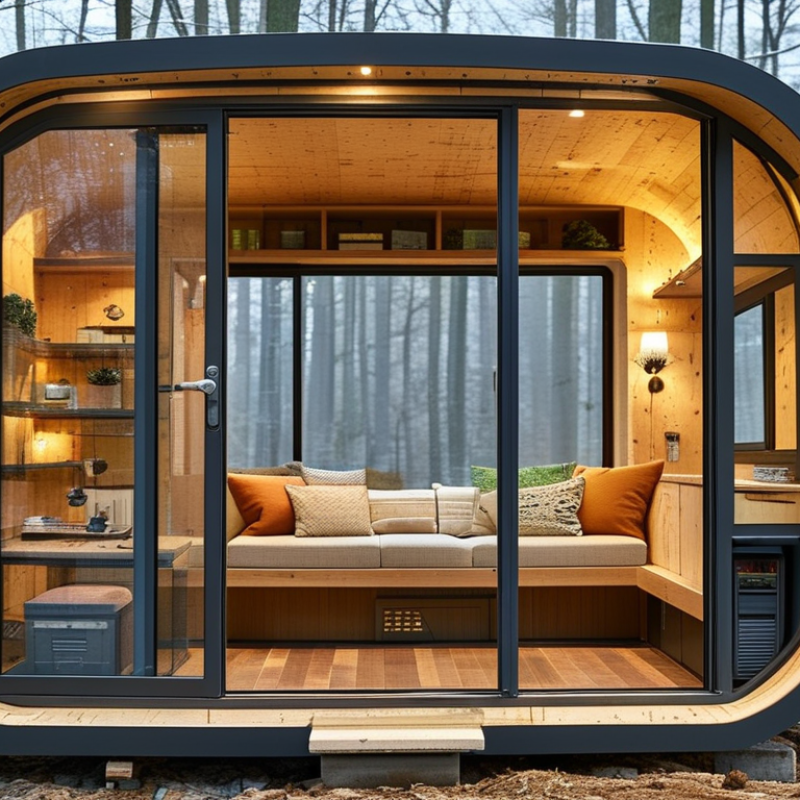
When comparing a capsule home, request a dimensioned floor plan. Check the interior floor area, loft size, ceiling heights, window locations, and emergency escape openings. A 390-square-foot layout may sound generous, yet a wide kitchen corridor can reduce usable living space quickly. Look for a compact bathroom, reachable storage, and enough clearance beside the bed. Furniture should not block an exit. That detail is easy to miss.
The 400-square-foot limit is useful, but it is not a complete design answer. A smaller home can still feel cramped, poorly ventilated, or difficult to maintain.
Ask for the construction specifications, insulation values, electrical plan, plumbing details, and inspection records. Confirm local requirements before signing an order. Rules differ by location.
Even an attractive floor plan may need revision after a building official reviews it. A practical choice balances legal compliance, daily movement, climate, and honest storage needs.
Check Site and Legality: Use FEMA Flood Maps and Local Building Codes
How to Choose the Best Living bahria homes Home?
Before choosing a living capsule home, study the land, not only the floor plan. In the United States, enter the property address into FEMA’s official flood map service. Check the mapped flood zone, base flood elevation, and nearby water routes. A map is not a permit. Local surveys may show drainage problems that online maps miss.
Ask the planning department for current building codes and written requirements. Rules may cover foundation design, anchoring, wind resistance, snow loads, fire separation, insulation, emergency exits, and utility connections. Confirm setbacks from roads, property lines, wells, and septic systems. Some rural parcels require soil testing before wastewater approval. Others restrict small homes, even when they appear movable. Do not rely on a seller’s verbal promise.
A licensed local architect, engineer, or building official can interpret unusual details. Bring the capsule’s drawings, structural specifications, and installation method to that meeting. Check whether the home needs a permanent foundation or a separate transport permit. Ask how inspections will occur after delivery.
Small mistakes become expensive.
I once underestimated site access during a planning review. The home could fit the lot, but delivery trucks could not safely reach it. That oversight changed the budget. FEMA data can also be incomplete or outdated, so verify elevations with a qualified surveyor. Keep every approval, map, email, and inspection record in one file. Reflect honestly: a compact design saves space, but it does not remove local responsibilities.
Compare Space and Cost: NAHB Reports 2,411 sq ft as 2023 Median New Home
How to Choose the Best Living bahria homes Home?
The U.S. Census Bureau recorded 2,411 square feet as the 2023 median size for new homes, according to NAHB analysis. That figure creates useful perspective for capsule-home buyers. A 300-square-foot unit is only about one-eighth of that space. It may fit one resident, but storage becomes a daily design test.
Measure real routines, not just floor area. A bed, compact kitchen, bathroom, and desk can quickly consume 180 square feet. Add a 60-square-foot storage wall. The remaining space may feel narrow when two people move inside. I once underestimated door clearance and furniture depth. That mistake changed the layout more than expected.
Cost requires equal caution. NAHB’s 2023 Cost of Construction Survey reported an average construction cost of about 162 dollars per square foot. A capsule home may use less material, yet transport, foundations, utilities, insulation, and permits can raise the final budget. Compare delivered cost, not the advertised shell price. A 300-square-foot model at 162 dollars per square foot suggests 48,600 dollars for construction alone. That is not a complete housing cost. The National Association of Home Builders also notes that land, financing, and site work can significantly affect the final sale price. Leave room for uncertainty.
Test Energy Performance: Buildings Consume 30% of Global Final Energy (IEA)
Choosing the best living capsule home requires more than checking its shape, size, or interior style. Energy performance deserves serious attention. The International Energy Agency reports that buildings consume about 30% of global final energy. A small home can still waste energy through poor insulation, air leaks, or inefficient equipment.
Ask for measured evidence, not attractive promises. Look for insulation thickness, window specifications, heating and cooling efficiency, and ventilation details. A professional energy assessment can reveal thermal bridges around doors, roof joints, and floor connections. During a site visit, I would use a thermal camera on a cold day and check indoor temperatures in several rooms. Small details matter.
Test the home under realistic conditions. Record electricity use for heating, cooling, hot water, lighting, and appliances separately when possible. Compare results across different weather conditions. Occupancy also changes the numbers. Two residents cooking daily will not use energy like an empty display unit.
My first mistake was trusting a low annual estimate without asking how it was calculated. That figure ignored local wind and summer humidity. Energy labels help, but they are not perfect. Ask who performed the test, which standard was used, and whether the results apply to your climate. A reliable capsule home should feel comfortable, not merely look efficient. Test it carefully.
Global Final Energy Consumption by Sector
Buildings consume approximately 30% of global final energy. When evaluating a living capsule home, compare insulation, airtightness, windows, heating, cooling, and ventilation performance to reduce operational energy demand.
Source: International Energy Agency (IEA). Global sector shares are approximate and represent buildings, industry, and transport.
Verify Health and Safety: EPA Finds Indoor Pollutants Can Be 2–5× Outdoors
How to Choose the Best Living bahria homes Home?
A compact home can feel fresh while holding invisible pollutants. The U.S. Environmental Protection Agency reports that indoor pollutant levels may reach two to five times outdoor levels. Some pollutants can be much higher. Tight construction, cooking fumes, cleaning products, moisture, and new materials may reduce indoor air quality. Airflow matters.
When comparing a living capsule home, inspect its ventilation system rather than trusting attractive photographs. Ask whether fresh air enters continuously, where exhaust fans discharge, and how filters are replaced. Look for moisture-resistant surfaces around the bathroom and kitchen. A small humidity monitor and carbon monoxide alarm provide useful evidence after installation. I would also request material safety information for flooring, wall panels, adhesives, and insulation. “Low odor” does not always mean low emissions.
Spend time inside before deciding. Open the doors, run the kitchen fan, and notice stale air near sleeping areas. If possible, test particulate matter and humidity during cooking and overnight use. Independent inspection adds credibility, especially when specifications seem vague. I would not pretend every compact design is unhealthy; many perform well when ventilation is engineered properly. Still, limited space magnifies mistakes. One damp corner, blocked vent, or poorly sealed panel can affect the whole room. A cheaper model may become expensive if air testing, repairs, or replacement filters are ignored.