How to Choose the Best Tiny Homes for Your Needs?
In an era where minimalism and sustainability are gaining traction, tiny homes are becoming a popular choice. Home design expert, Sarah Johnson, states, "Tiny homes offer freedom, but choosing the right one requires careful consideration." This insight underscores the importance of aligning a tiny home with your unique lifestyle needs.
Selecting the best tiny home involves evaluating various factors. Size, layout, and location are significant aspects. Are you planning to live alone or with a family? Do you need space for hobbies or work? Reflecting on these questions helps in making an informed decision.
Residing in tiny homes can pose challenges as well. Limited space might feel cramped without careful organization. Additionally, not all tiny homes are eco-friendly despite the sustainable label. It is crucial to research materials and energy efficiency. Keeping these elements in mind can prevent regrets down the road, ensuring that your tiny home truly meets your expectations.
Importance of Assessing Your Lifestyle Needs for a Tiny Home
Choosing the right tiny home involves serious reflection on your lifestyle needs. A study by the Tiny Home Industry Association indicates that over 68% of tiny home residents emphasize lifestyle changes over just housing. Understanding how you live, work, and play informs your choices.
For many, mobility is essential. If you plan to travel, a model with wheels might be best. A report from the American Housing Survey shows that tiny homes can save upwards of 70% on utility costs compared to traditional homes. This efficiency is attractive, but consider your long-term plans. Some individuals struggle with transitioning to a smaller space. It can require significant emotional adjustment.
Consider your personal space requirements. Industry data suggest that most tiny home occupants thrive in under 400 square feet. However, a few find it stifling. Reflect on your daily routines, hobbies, and social needs. Factor in if you often host guests. Such insights are vital to avoid the frustration of feeling cramped or unfulfilled. Every choice in the process should reflect your unique lifestyle and values.
Key Features to Consider When Sizing Your Tiny Home
When sizing your tiny home, it's crucial to consider your lifestyle and needs. Start by evaluating how many people will live in the space. A single occupant might manage well with a smaller footprint. However, a family requires more square footage for comfort. Look for layouts that maximize utility without feeling cramped.
Storage is another key feature. Tiny homes often have creative storage solutions. Think about where you’ll keep your belongings. Overhead compartments and multifunctional furniture can help. However, note that too much storage can lead to clutter if not managed well.
Additionally, pay attention to the home's design and insulation. The right design can enhance natural light and airflow, making a small space feel larger. Good insulation is vital in maintaining comfortable temperatures in all seasons. Reflect on your experiences in various types of homes. This can help you choose what features matter most. Being honest about your needs can lead to a satisfying living experience in your tiny home.
Choosing the Right Size for Your Tiny Home
Evaluating Energy Efficiency Options for Sustainable Tiny Living
When considering tiny homes, energy efficiency is a key factor. According to the U.S. Department of Energy, homes with good insulation can reduce energy costs by 20% to 30%. In a tiny home, effective insulation can make a significant difference. It helps maintain a comfortable temperature year-round.
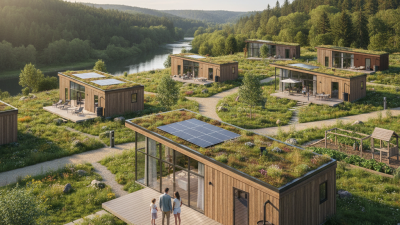
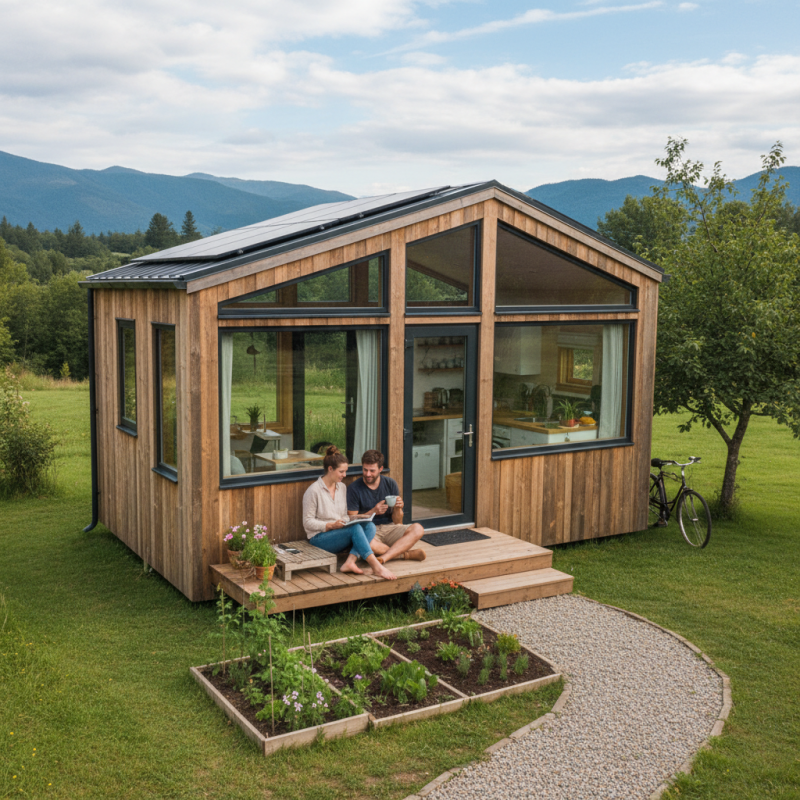
Solar panels are becoming an increasingly popular option. They provide renewable energy, reducing reliance on non-renewable sources. A study by the National Renewable Energy Laboratory suggests that a 5kW solar system can save homeowners approximately $10,000 over a 20-year period. Yet, installation can be costly and may require ongoing maintenance, which is something to consider.
Water conservation is another crucial aspect of sustainable living. Low-flow fixtures and rainwater harvesting systems can cut water use significantly. Research indicates that homes using greywater systems can reduce water consumption by 50%. While these systems are effective, they can be complex and may require local permits. Always consider your specific needs before making decisions.
Budgeting for Your Tiny Home: Costs and Financing Options
Budgeting for a tiny home requires careful planning. Costs can vary widely based on location, size, and features. On average, building a tiny home can range from $20,000 to $100,000. This price often excludes land costs. You should consider these aspects before making any decisions.
Financing options are also crucial. Traditional mortgages can be challenging for tiny homes. Many buyers turn to personal loans or credit unions. Some choose DIY builds to cut costs. Others might seek out tiny home communities that offer financing tailored to smaller structures.
Reflecting on your budget is important. It's easy to overlook hidden expenses such as utilities and permits. They can add up quickly. Ensure to account for these factors in your financial plan. A detailed budget will guide your decision-making and keep you aligned with your financial goals.