How to Choose the Right Modular House for Your Living Needs?
Choosing the right modular house can be a daunting task. With so many options available, it’s important to find a model that fits your lifestyle. According to an industry expert, John Smith, “The beauty of a modular house lies in its adaptability.” This adaptability allows homebuyers to customize their living spaces.
When selecting a modular house, consider your specific needs. Think about the size, layout, and features that are essential for your family. Sometimes, choices can be overwhelming. Assessing what truly matters can help narrow down the options. Don’t just opt for the latest trends; focus on functionality and comfort.
Remember that a modular house should not only reflect style but also meet practical living requirements. Be mindful of future changes in your lifestyle. As you explore different designs, always reflect on how well they cater to your needs. Choose wisely, as this choice influences your everyday living experience.
Factors to Consider When Choosing a Modular House
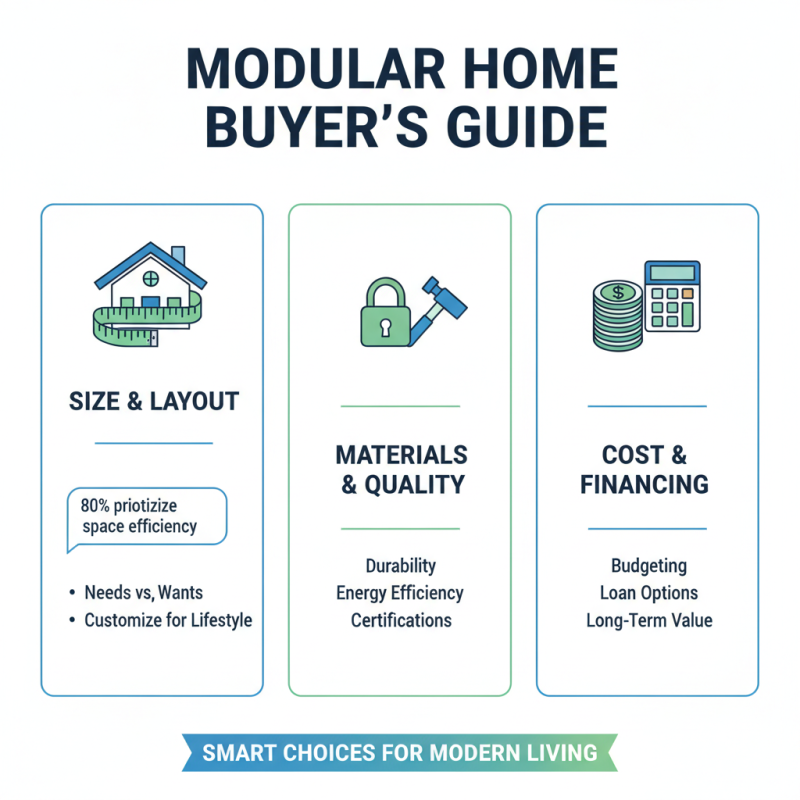
When choosing a modular house, several factors play an essential role in ensuring it meets your living needs. Size and layout are critical; modular homes can be customized to fit various sizes of families or lifestyles. According to a report by the Modular Building Institute, over 80% of homeowners prioritize space efficiency in their decisions. Consider how many rooms you really need versus how many you want. It’s easy to overestimate your requirements.
Cost is another significant factor. Modular homes typically range from $100 to $250 per square foot. However, additional costs like land and installation must be included in your budget. Understanding the total financial picture helps avoid surprises. Reports indicate that about 25% of buyers regret their initial budget choices, often leading to unnecessary stress later on.
**Tips:** Calculate your monthly living expenses. Look at financing options early to find the best deal. Don’t rush your decisions; take time to reflect on what truly suits your lifestyle. Finally, consider energy efficiency. Modular homes often include eco-friendly features which can lower utility bills. Reflect on the long-term benefits when making your choice.
Understanding Different Types of Modular Homes
When considering modular homes, it's essential to understand the different types available. These homes come in various styles, including single-section, multi-section, and custom designs.
Single-section homes, often called "mobile homes," are compact and easy to transport. They are ideal for small families or individuals looking for affordable housing. However, they may lack space for growing needs.
Multi-section modular homes offer more room and flexibility. They can include multiple bedrooms, spacious living areas, and tailored layouts. This style accommodates larger families. Yet, buyers should reflect on the additional costs for land preparation and utility connections.
Custom modular homes stand out, allowing complete design control. This option is best for those wanting unique features. But, it can become overwhelming during the planning process.
Potential buyers must weigh pros and cons carefully. Each type of modular home has its strengths and weaknesses. Consider factors like budget, location, and future needs. For some, a compact home feels comfortable. Others see the value in a larger living space. What fits one family may not suit another. Finding the right match can take time and reflection.
Assessing Your Space and Layout Requirements
When considering a modular house, space and layout are critical factors. Begin by evaluating your needs. Families often require more bedrooms and storage. Single residents may prioritize open living areas. A recent industry report indicates that 70% of homeowners prefer multi-functional spaces. This insight highlights the importance of understanding your lifestyle.
Think about how many rooms you truly need. A two-bedroom design might suffice for a small family. However, if you work from home, an office space could be essential. Pay attention to the flow of rooms. Poor layout can hinder daily activities. A reported 60% of house owners wish they had a better workflow in their homes. This reflects a need for thoughtful planning in room arrangement.
Don’t overlook outdoor space. For many, a small yard or patio offers valuable extension. Modifying the exterior layout can enhance the living experience significantly. Be aware that 55% of homebuyers consider outdoor features vital. Inadequate planning can lead to regrets. Reflect on the future needs of your household. It’s easy to overlook this during the initial design phase but vital for long-term satisfaction.
Evaluating Budget and Financing Options
When considering modular homes, it's crucial to evaluate your budget. Modular houses can vary widely in price. Some basic structures start low, while high-end models can cost significantly more. Think about not just the purchase price. Consider additional costs like site preparation and utility connections.
Financing options are equally important. Many buyers turn to traditional mortgages. However, not every lender understands modular homes. Some options may be limited. Explore alternative financing, like personal loans or specialized companies that offer modular home loans. It’s wise to seek clarity on interest rates and terms.
Actively comparing can be quite daunting.
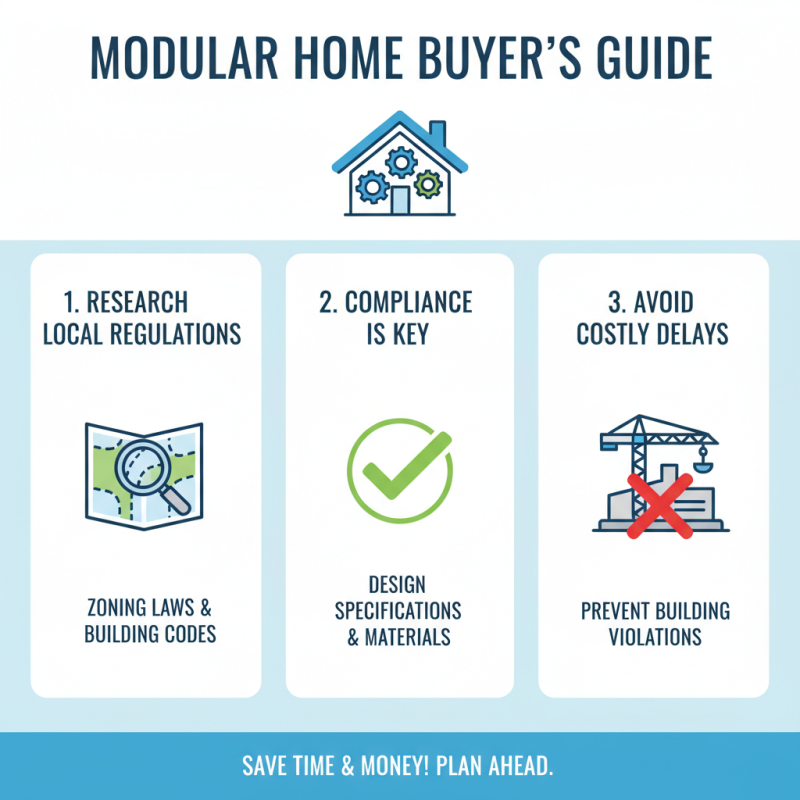
Finally, be prepared for the unexpected. Costs can exceed initial estimates. Changes in building codes can also affect your budget. Always have a contingency plan. This flexibility will ease financial stress. Plan for the future, but stay realistic.
Each decision you make now shapes your living experience later.