How to Create Simple Homes with Minimalist Design Ideas?
Creating simple homes with minimalist design ideas can transform your living space into a tranquil refuge. According to home design expert Sarah Johnson, "A simple home reflects your soul in its purest form." This encapsulates the essence of minimalist living, where less truly means more.
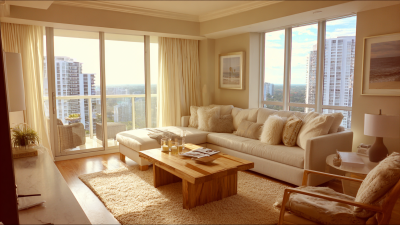
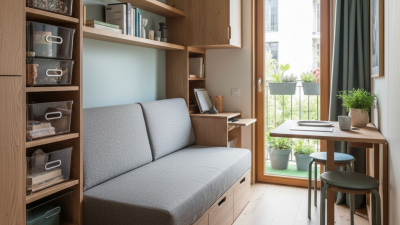
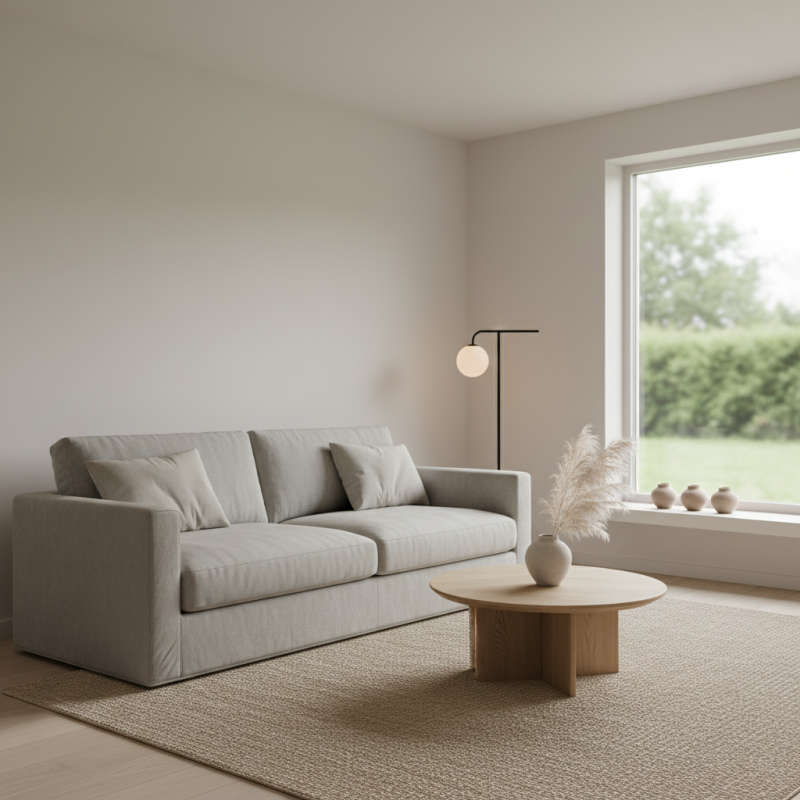
In a world filled with excess, simplicity offers clarity. By embracing minimalism, you can reduce clutter and enhance your peace of mind. Imagine a living room with soft, neutral tones and purposeful furniture. Each piece contributes to an atmosphere of calm. However, achieving this simplicity is not without challenges. It often requires tough decisions about what to keep and what to let go.
Creating simple homes is about finding balance. It invites us to reflect on our lifestyle choices and acknowledge the imperfections we live with. While the idea sounds appealing, the journey may provoke doubt. Yet, in this pursuit, we discover the serenity that minimalist design can bring into our lives.
Understanding Minimalist Design Principles
Minimalist design emphasizes simplicity and functionality. This approach reduces clutter and highlights essential elements. According to a report from the National Association of Home Builders, 74% of homeowners prefer fewer materials to enhance their living space. Choosing natural materials can enhance the minimalist aesthetic. Consider wood, stone, or bamboo for a warm touch.
Tips: Focus on essential furniture pieces. Use multi-functional items to save space. Less is often more in a minimalist home.
Emphasizing natural light is crucial. Large windows or open spaces can create an airy atmosphere. However, be mindful of balance. Too much space may feel empty or unwelcoming. Consider adding a few decorative items to bring life back into the room while maintaining the minimalist ethos.
Tips: Use neutral colors for walls. They offer a calm backdrop for simple decor. Avoid overcrowding with too many items. Keep it simple.
How to Create Simple Homes with Minimalist Design Ideas?
| Design Element |
Description |
Benefits |
| Neutral Color Palette |
Utilizing whites, grays, and earthy tones to create a calming atmosphere. |
Promotes relaxation and can make spaces feel larger. |
| Functional Furniture |
Furniture that serves multiple purposes and fits the space optimally. |
Increases space efficiency and reduces clutter. |
| Natural Light |
Maximizing windows and openings to allow sunlight to flood in. |
Enhances mood and reduces reliance on artificial lighting. |
| Decluttered Spaces |
Keeping only essential items visible and stored neatly. |
Creates a more serene and organized environment. |
| Open Layout |
Designing spaces without excessive partitions to enhance flow. |
Encourages social interaction and makes spaces feel inviting. |
Choosing a Neutral Color Palette for Your Home
Choosing a neutral color palette can transform a home into a minimalist sanctuary. Neutral colors create a calm environment. They allow each space to breathe. Shades of white, gray, and beige work wonders. These hues are versatile and timeless.
Tips: Start with a base color. Paint your walls a soft white or light gray. This will be your canvas. Add layers of neutral shades through furniture and decor. Consider taupe or soft taupe for rugs. These choices evoke warmth without overwhelming the senses.
Layering textures is key. Use various materials like linens and wood. Add a bit of softness with cushions and throws in similar tones. Check fabric samples against your walls. Sometimes, they may clash. A neutral palette can also feel flat if not balanced properly. Reflect on areas that need contrast or interest.
Natural light is crucial too. Let it in. Large windows can amplify your neutral palette. If light is scarce, consider mirrors. They reflect light and make spaces feel larger. Yet, placement matters. A poorly positioned mirror can disrupt harmony. Embrace the imperfections that come with creating your serene oasis.
Selecting Functional and Stylish Furniture
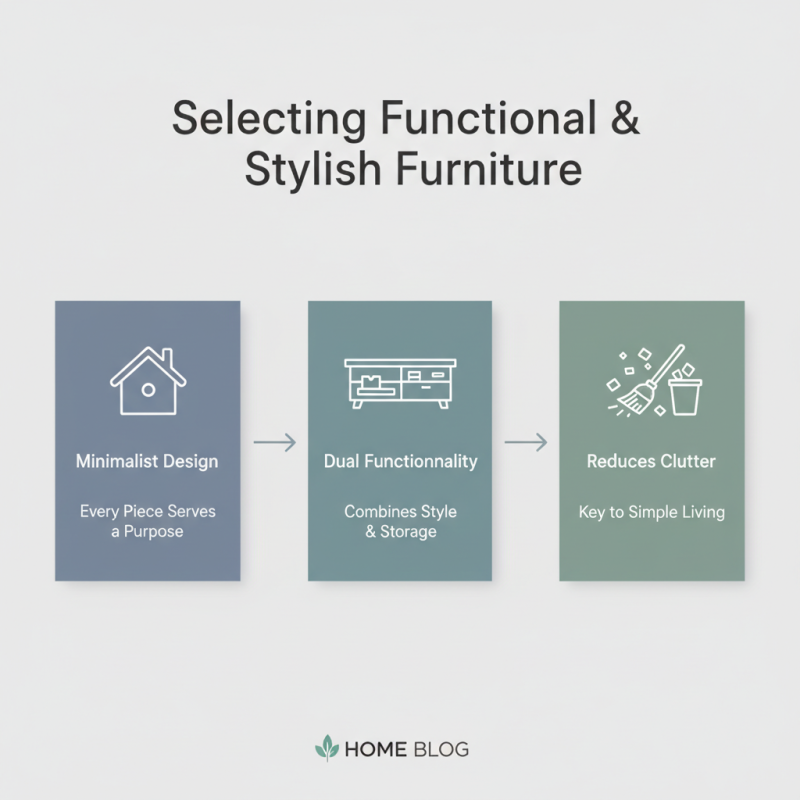
Selecting the right furniture plays a crucial role in minimalist design. In a simple home, every piece should serve a purpose. Look for furniture that combines functionality with style. For example, a sleek coffee table can also provide storage. This dual function minimizes clutter, which is central to a minimalist approach.
Consider the scale of furniture as well. Large items can overwhelm a small space. Opt for compact pieces that fit your needs. A small dining table can create an intimate dining experience without taking up much room. Think about materials too. Natural woods and metals add warmth without being bulky. While a clean look is desirable, be cautious of over-simplification. A room without warmth may feel cold and uninviting.
When arranging furniture, ensure there is enough space to move. This can be a challenge in smaller areas. Leave room for walkways and avoid overcrowding. Reflect on how the space is used daily. Sometimes, your initial arrangement may not feel right. Don’t hesitate to make adjustments. It might take time to find the perfect balance between minimalist aesthetics and comfort.
Incorporating Natural Light and Open Spaces
Natural light plays a crucial role in minimalist design. It creates an airy feel in any space. Large windows can illuminate rooms, making them feel larger and more inviting. Sunlight adds warmth and enhances colors. Consider positions that maximize light exposure throughout the day.
Open spaces are essential in creating a minimalist home. They reduce clutter and promote a sense of calm. Removing unnecessary walls or partitions can transform a cramped area into a fluid living space. However, achieving this can be challenging. Careful planning is vital to ensure functionality remains intact.
Reflect on how to balance openness with the need for privacy. Each choice impacts the overall ambiance. Sometimes, an area may feel too empty, lacking personality. Adding a few carefully chosen accessories could enhance warmth and character without overwhelming the minimalist approach.
Adding Decorative Elements While Maintaining Simplicity
Minimalist design is about marrying simplicity with elegance. Adding decorative elements can enhance a space while keeping it uncluttered. Research shows that 62% of homeowners prefer minimalism for its calming effects. Choosing the right accents is crucial. They should reflect personal style without overwhelming the room.
Tip: Use a single statement piece, like a large painting or an oversized plant. This draws the eye without crowding the space. A carefully placed sculpture can also serve as a focal point. Too many decor items can lead to visual chaos, which defeats the purpose of minimalism.
Natural materials like wood or stone can add warmth. They bring texture without complicating the design. A simple vase with fresh flowers adds life without causing disorder. However, avoid patterns; they can distract and make a space feel busy. Emphasizing natural light can further enhance the minimalist vibe, making a room feel more open and inviting.
Tip: Opt for sheer curtains to allow sunlight in. Combining minimalism with personal touches can create unique spaces. Reflect on what truly matters to you. Every piece should serve a purpose or tell a story. Remember, simplicity doesn’t have to mean sterility.