10 Tips for Designing Your Modern Castle House with Style and Comfort
In the evolving world of architecture, "modern castle houses" have emerged as a fascinating blend of traditional grandeur and contemporary design. Renowned architect Dr. Emily Hartman, an expert in sustainable luxury homes, articulates the allure of this trend by stating, "A modern castle house is not just a residence; it's a statement of elegance combined with comfort, redefining how we perceive our living spaces." As we delve into the art of designing such homes, it becomes essential to understand how elements of style and comfort can be harmoniously integrated to create stunning environments.
Creating a modern castle house involves a careful selection of materials, innovative design techniques, and an understanding of spatial dynamics that accommodates modern living while paying homage to the majestic qualities of historical castles. Each aspect, from the exterior façade to the interior aesthetics, plays a crucial role in achieving a cozy yet opulent ambiance that meets the needs of today’s homeowners. By mastering these principles, you can transform your vision of a castle into a contemporary sanctuary that beautifully marries the past with the present.
In this article, we will explore ten essential tips that will guide you through the process of designing your own modern castle house with style and comfort in mind, ensuring that your home stands as a timeless masterpiece in a rapidly changing world.
Understanding the Definition and Features of Modern Castle Houses
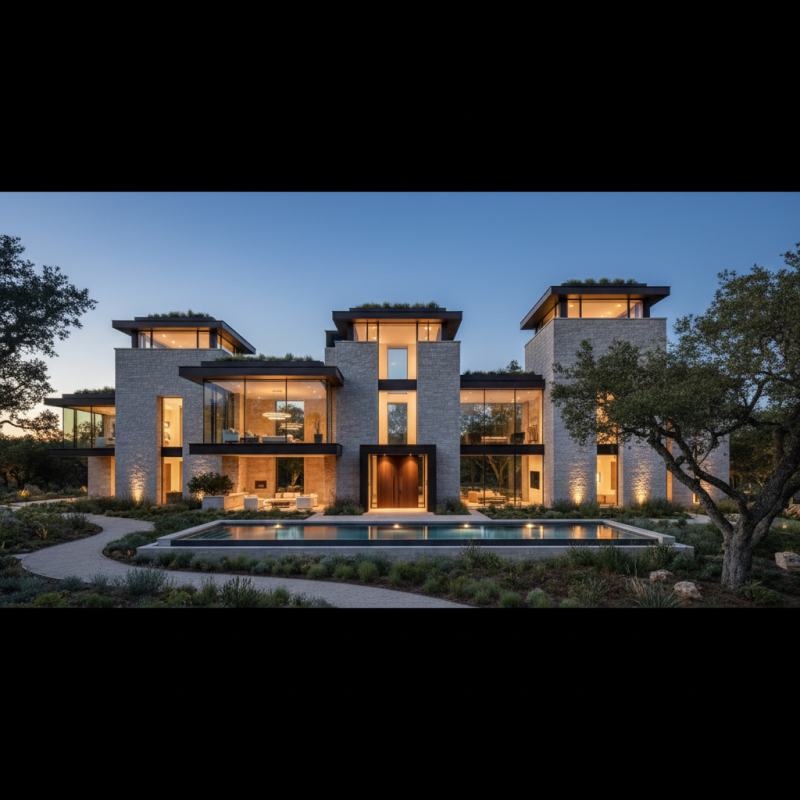
Modern castle houses represent a unique blend of traditional architectural grandeur and contemporary design principles. These structures often feature high ceilings, expansive spaces, and the sleek lines of modern aesthetics, combined with the iconic turreted silhouettes and stone facades reminiscent of ancient castles. The main defining characteristics of a modern castle house include large windows that invite ample natural light, open floor plans that enhance the sense of flow between spaces, and the strategic incorporation of outdoor elements, such as gardens or terraces, to create a seamless connection with nature.
In addition to their striking exteriors, modern castle houses prioritize comfort and functionality. The interior design typically emphasizes luxurious materials and textures, such as hardwood floors, polished stone, and soft fabrics, which contribute to a warm yet sophisticated environment. Smart home technologies are often integrated to improve energy efficiency and enhance the quality of living. These features ensure that while the aesthetic draws on the grandeur of historical castles, the overall experience is grounded in modern conveniences, creating a space that is both stylish and comfortable for everyday living.
10 Tips for Designing Your Modern Castle House with Style and Comfort
| Tip Number |
Tip Description |
Key Features |
Suggestions |
| 1 |
Choose the Right Location |
Elevated terrain, scenic views |
Consider proximity to amenities |
| 2 |
Incorporate Modern Materials |
Glass, steel, and reclaimed wood |
Research eco-friendly options |
| 3 |
Design Open Spaces |
Flowing interiors, large windows |
Use space-saving furniture |
| 4 |
Create a Statement Entrance |
Grand doors, high ceilings |
Incorporate smart lighting |
| 5 |
Balance Traditional and Modern Elements |
Mix of old-world charm and sleek design |
Choose a cohesive color palette |
| 6 |
Focus on Energy Efficiency |
Solar panels, proper insulation |
Conduct an energy audit |
| 7 |
Add Unique Architectural Features |
Turrets, balconies, arches |
Incorporate local history into design |
| 8 |
Emphasize Natural Light |
Skylights, large windows |
Use light-colored interiors |
| 9 |
Incorporate Smart Home Technology |
Automated systems for comfort |
Ensure robust internet connectivity |
| 10 |
Design for Outdoor Living |
Patios, gardens, outdoor kitchens |
Consider seasonal comfort options |
Essential Architectural Styles for Modern Castle Design
When embarking on the journey of designing a modern castle house, it is essential to consider a variety of architectural styles that can infuse both elegance and comfort into the overall design. According to the American Institute of Architects, a growing trend in residential architecture is the blend of traditional and contemporary elements, which allows homeowners to embrace nostalgia while catering to modern aesthetics. Incorporating elements such as turrets, grand archways, and stone facades can establish a castle-like presence, while clean lines and open spaces appeal to contemporary sensibilities.
One architectural style that complements modern castle design is the Neo-Gothic style, characterized by pointed arches, intricate details, and vertical lines that draw the eye upward. A study by the National Association of Home Builders highlights that 57% of homeowners desire features that reflect historical authenticity but executed in a modern context. Combining Neo-Gothic elements with sustainable building practices not only promotes aesthetic appeal but also enhances energy efficiency, a critical consideration in modern home design. Additionally, incorporating elements of minimalist design can create a sense of tranquility within the grandeur of a castle-inspired structure, emphasizing comfort without compromising style.
Incorporating Sustainable Materials: Enhancing Comfort and Style
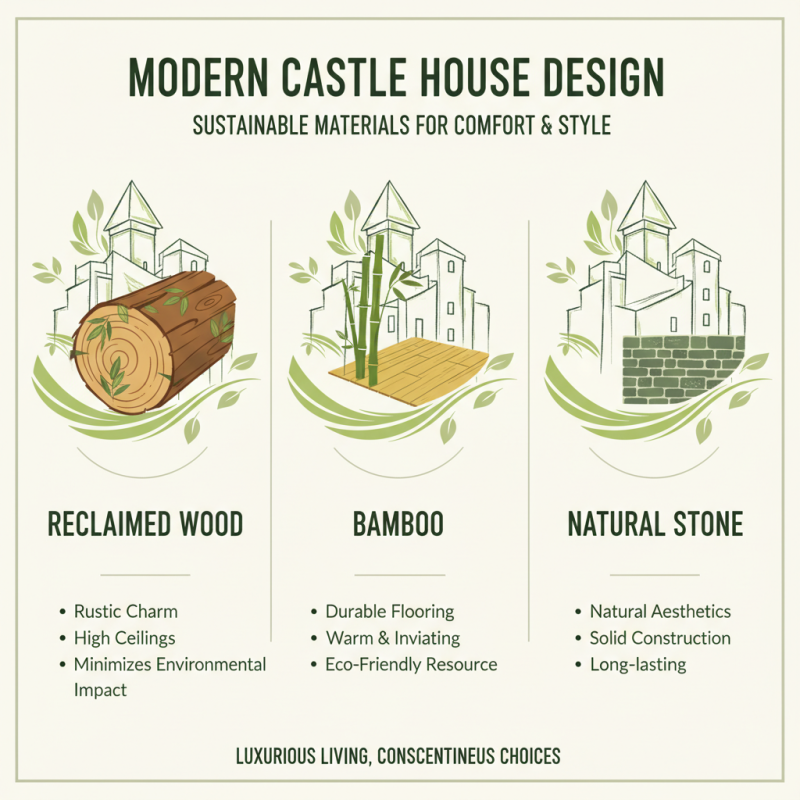
In modern castle house design, the incorporation of sustainable materials plays a pivotal role in achieving both comfort and style. Utilizing eco-friendly resources, such as reclaimed wood, bamboo, and natural stone, not only enhances the natural aesthetics of the home but also minimizes environmental impact. Reclaimed wood beams and panels can add a rustic charm to high ceilings and expansive spaces, while bamboo flooring, known for its durability and sustainability, offers a warm and inviting feel underfoot. These elements create a serene ambiance that merges luxurious living with conscientious choices.
Additionally, the integration of natural insulation materials, like wool or hemp, contributes to a comfortable indoor climate, regulating temperatures year-round. Strategically incorporating large windows made from energy-efficient glass allows natural light to flood in, reducing reliance on artificial lighting and promoting a connection with the surrounding environment. By harmonizing luxury with sustainability, homeowners can create spaces that are not only visually stunning but also nurturing for the planet and its inhabitants, resulting in a sanctuary that embodies the essence of modern living.
Balancing Space and Functionality in Modern Castle Interiors
When designing a modern castle house, balancing space and functionality is crucial to creating a harmonious living environment. Open-concept spaces can be a great starting point, allowing for natural light to flow throughout the areas while fostering a sense of connectivity among different rooms.
This layout not only maximizes the use of space but also encourages interaction and movement, making it ideal for social gatherings. Incorporating multi-functional furniture, such as expandable dining tables and modular seating, further enhances practicality without sacrificing style.
Another aspect to consider is the utilization of vertical space through thoughtful storage solutions. Built-in shelving and cabinetry can help maintain a clean and organized aesthetic while providing ample storage for belongings.
Emphasizing vertical lines in decor—from tall windows to high ceilings—can also create an illusion of vastness, making the interiors feel more expansive. With careful planning and attention to detail, modern castle interiors can seamlessly blend elegance and practicality, ensuring that every corner is both beautiful and usable.
Utilizing Smart Home Technology for Modern Castle Efficiency
Incorporating smart home technology into the design of a modern castle house can significantly enhance both efficiency and comfort. According to a report by the International Energy Agency, homes equipped with smart technology can reduce energy consumption by up to 30%. This reduction is achieved through automated systems that carefully manage heating, cooling, and lighting, adapting to the preferences of the occupants and optimizing for energy use. For instance, smart thermostats can learn inhabitants' schedules and adjust temperatures automatically, ensuring that energy is not wasted when spaces are unoccupied.
Moreover, smart home technology enhances security and convenience, two essential elements in any castle-like dwelling. The 2023 Smart Home Market Report indicates that over 70% of homeowners now consider security features a priority when installing smart home devices. Integrating smart cameras, motion detectors, and automated locking systems creates a fortress-like security perimeter that is easily monitored from anywhere through mobile devices.
Additionally, these systems can be programmed to alert homeowners of any unusual activity, reinforcing peace of mind while enjoying the luxurious comfort of one’s modern castle home. Thus, utilizing smart home technology not only emphasizes the distinctive style of a modern castle but also contributes to its overall efficiency and safety.