What is Fiberboard Medium Density Board used for?
Fiberboard Medium Density Board is a versatile material widely used in construction and furniture design. Its unique properties make it suitable for various applications. This engineered wood product is made from wood fibers combined with adhesives and heat. The result is a dense, uniform board that offers strength and stability.
In the realm of furniture, Fiberboard Medium Density Board serves as an ideal choice. It provides a smooth surface for finishing options, such as laminate or paint. Many manufacturers appreciate its cost-effectiveness and ease of use. However, the board's susceptibility to moisture can be a drawback. This limitation requires consideration in specific environments.
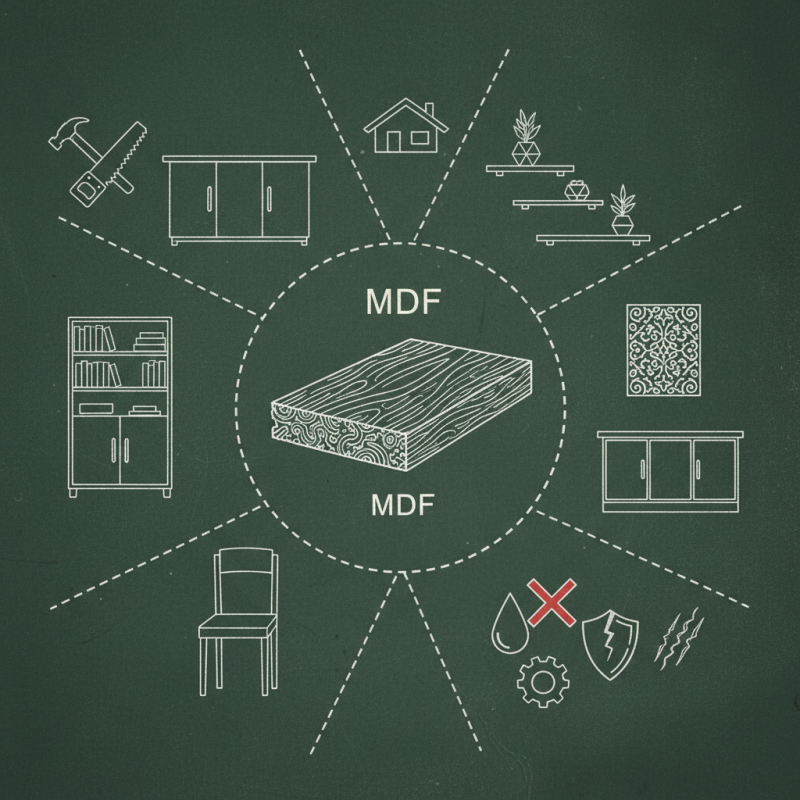
Additionally, Fiberboard Medium Density Board plays a vital role in interior design elements. It is often used for cabinetry, shelving, and decorative wall panels. Its lightweight nature allows for easy handling and installation. Yet, the potential for dents and scratches raises concerns about durability. Understanding both strengths and weaknesses of this material is essential for making informed design choices.
Uses of Fiberboard Medium Density Board in Furniture Manufacturing
Fiberboard Medium Density Board (MDF) is a popular material in furniture manufacturing. Its smooth surface is perfect for painting and veneering. This makes MDF an attractive option for creating modern, stylish furniture pieces. Designers appreciate its versatility, allowing for intricate shapes and designs that traditional wood cannot achieve as easily.
In furniture production, MDF is used for cabinets, tabletops, and shelves. Its durability makes it ideal for items that see frequent use. However, not all uses are without drawbacks. MDF can absorb moisture, which compromises its integrity. Proper sealing is vital to prevent damage. Craftsmen also note that cutting MDF produces fine dust, requiring careful handling to ensure safety.
While MDF is cost-effective, the choice to use it involves weighing pros and cons. Its uniformity in texture can sometimes limit personalization. Skilled artisans can find ways to work around these limitations, but it demands creative solutions. As with any material, understanding its strengths and weaknesses is essential for successful furniture manufacturing.
Applications of Fiberboard Medium Density Board in Construction
Fiberboard Medium Density Board (MDF) has gained prominence in the construction sector due to its versatility and cost-effectiveness. It is widely used for interior applications such as furniture, cabinetry, and wall paneling. According to the Wood Products Council, MDF accounts for nearly 35% of the engineered wood market in North America, highlighting its popularity. This composite material meets various design needs while remaining affordable.
One intriguing application is in acoustic panels. MDF’s dense structure helps in sound absorption. This feature is invaluable in spaces like recording studios and theaters. A study by the National Institute of Standards and Technology highlights that MDF can reduce noise levels by up to 25%. However, while MDF is beneficial, its susceptibility to humidity is a critical drawback. Many users overlook this aspect, leading to warping and deterioration in moist environments.
Sustainability is another consideration. Many manufacturers now produce MDF from recycled wood fibers. However, the formaldehyde emissions during production are concerning. It’s essential to seek low-emission products. The growing demand for eco-friendly materials is evident. Reports indicate a projected annual growth of 4.5% for green construction materials in the next five years. Hence, while Fiberboard Medium Density Board has extensive applications, careful consideration of its properties is vital for successful integration into construction projects.
What is Fiberboard Medium Density Board used for? - Applications of Fiberboard Medium Density Board in Construction
| Application Area | Description | Benefits |
| Furniture Manufacturing | Used for creating various types of furniture such as cabinets, shelves, and tables. | Cost-effective, versatile, and easy to finish. |
| Interior Wall Panels | Applied as decorative wall panels in residential and commercial buildings. | Enhances aesthetics, provides insulation, and is lightweight. |
| Soundproofing | Used in soundproofing applications for walls, ceilings, and floors. | Effective in reducing sound transmission between rooms. |
| Kitchen Cabinets | Commonly used in the construction of kitchen cabinets and countertops. | Durable, moisture-resistant options available. |
| Doors | Used for making internal and external doors. | Stable structure with good resistance to warping. |
Role of Fiberboard Medium Density Board in Interior Design
Fiberboard Medium Density Board (MDF) plays a crucial role in interior design. Its smooth surface allows for easy painting and veneering. Designers often use MDF for cabinetry, moldings, and paneling. It can create elegant looks at a more affordable price. In many cases, MDF is chosen over solid wood for its versatility and durability.
Many interior designers appreciate its adaptability. Whether for residential or commercial spaces, it serves various functions. For instance, designers can craft intricate shapes and details. This flexibility enriches interior environments. Yet, it requires careful handling. MDF can be prone to damage from moisture if not sealed properly.
Another consideration is its environmental impact. While MDF is often made from recycled wood fibers, adhesive contents may raise concerns. Designers should choose suppliers who prioritize low-emission products. Awareness of these factors can lead to more environmentally conscious design decisions. Balancing aesthetics, functionality, and sustainability is essential in modern interior design.
Benefits of Using Fiberboard Medium Density Board for DIY Projects
Fiberboard Medium Density Board is a versatile material for DIY enthusiasts. It offers a balance of durability and ease of use. This board can be cut, shaped, and painted, making it an ideal choice for many projects. DIYers appreciate its smooth surface, which is perfect for finishes like varnish or paint. Simple home projects, such as shelving or furniture, can transform any space.
One significant benefit is cost-effectiveness. Fiberboard is often cheaper than solid wood while providing comparable aesthetics. This affordability allows creators to experiment without breaking the bank. However, it’s essential to consider moisture exposure. In humid conditions, the board can swell or warp. Proper sealing can mitigate this issue.
Many craftsmen find it easy to work with. It can be drilled, sanded, and adhered effortlessly. Yet, mistakes happen. For example, miscalculating cuts can waste materials. Learning to measure twice becomes vital. Emphasizing accuracy prevents unnecessary frustration. Additionally, not every project will go as planned, which offers valuable lessons for future work. Fiberboard Medium Density Board encourages creativity while fostering a process of growth through trial and error.
Environmental Impact of Fiberboard Medium Density Board Production and Use
Fiberboard Medium Density Board (MDF) is widely used in furniture and interior design. Its production process often raises concerns about environmental impact. MDF is made from wood fibers, which are bound together using adhesives. These adhesives can emit volatile organic compounds (VOCs). VOCs can contribute to air pollution and might affect indoor air quality.
It's essential to choose MDF that has low VOC emissions. Consider products that meet recognized environmental standards. Researching certifications can guide you. Look for options labeled as low-emission or eco-friendly. This choice helps reduce the environmental footprint.
Another factor to contemplate is the lifecycle of MDF. While it is recyclable, not every facility accepts it. Check local recycling guidelines to ensure proper disposal. Think about long-term use and potential waste. Reducing consumption and reusing materials can mitigate negative impacts. Developing awareness helps in making informed choices.
Environmental Impact of Fiberboard Medium Density Board Production

