What is the Future of Eco Homes in Sustainable Living?
As we navigate the complexities of climate change and urbanization, the future of eco homes in sustainable living becomes increasingly vital. Industry expert Dr. Emily Johnson, a leading architect in green design, emphasizes that “eco homes are not just buildings; they are a lifestyle.” This perspective highlights the multifaceted role eco homes play in transforming our surroundings and behaviors.
Eco homes focus on energy efficiency, sustainable materials, and minimal environmental impact. They incorporate renewable energy sources and systems that recycle water and waste. However, the journey toward widespread adoption is not without challenges. Many eco homes still struggle with high initial costs and greenwashing claims.
Moreover, there are ongoing debates about sustainability standards. Not every eco claim is equal, leading to confusion among consumers. For eco homes to flourish, transparency and education are crucial. As we look to the future, embracing eco homes is a critical step towards a more sustainable and livable world. Balancing innovation with ethical practices will define this evolving industry.
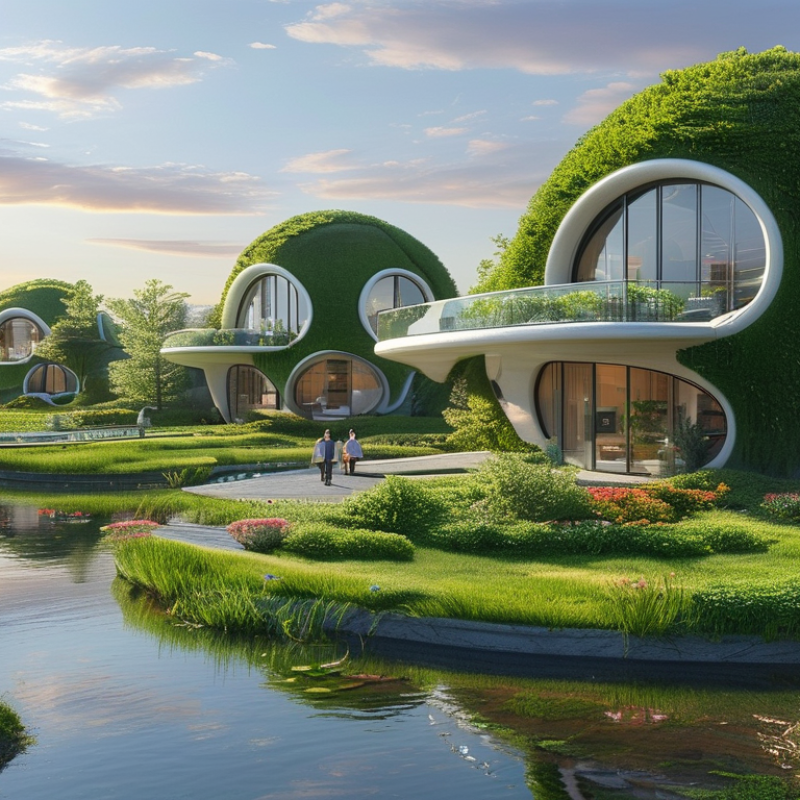
The Concept of Eco Homes and Their Role in Sustainable Living
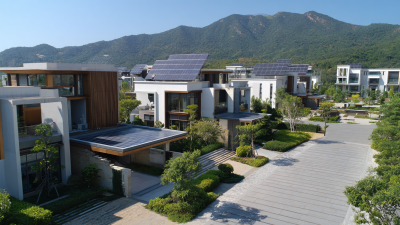
Eco homes embody a growing trend in sustainable living. These structures are designed to minimize environmental impact. They often use renewable resources, such as solar energy, and focus on energy efficiency. Materials like reclaimed wood or recycled steel feature prominently.
The role of eco homes extends beyond mere construction. They promote a lifestyle aligned with nature. For instance, many encourage residents to grow their own food. This often leads to healthier eating and reduced carbon footprints. However, they also raise questions. Are these homes truly accessible? The costs can be prohibitive for many families.
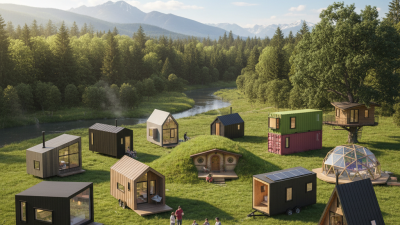
Additionally, the adoption of eco homes varies widely. Urban areas might embrace small, integrated designs. In contrast, rural settings often favor larger, self-sufficient spaces. Both approaches have benefits and challenges. Reflecting on these nuances helps us understand the full landscape of sustainable living.
Key Features of Eco Homes: Design, Materials, and Energy Efficiency
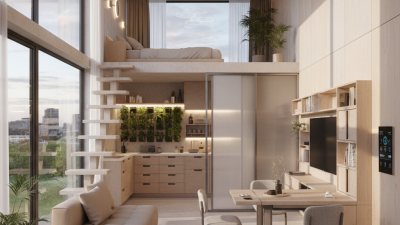
Eco homes are rapidly gaining traction in sustainable living. Their design emphasizes minimal environmental impact while maximizing comfort and usability. Incorporating natural lighting, these homes often have large windows that reduce reliance on artificial lights. The use of open floor plans enhances airflow, creating a more pleasant living space.
Materials play a crucial role in eco homes. Sustainable choices like bamboo flooring, recycled steel, and reclaimed wood reduce waste. These materials not only support recycling efforts but also contribute to a unique aesthetic. However, it's important to source materials locally. This helps minimize transportation emissions, promoting a true sustainable lifestyle.
Energy efficiency remains a hallmark of eco homes. Installing solar panels and energy-efficient appliances can drastically cut utility bills. Consider including smart home technology. It optimizes energy use, but it’s vital to stay informed about potential obsolescence of tech. Reflecting on one’s choice of materials and technology is crucial in developing sustainable living practices.
Tips: Always evaluate the long-term impact of your eco choices. Consider the lifecycle of materials and their ultimate disposal. Sustainable living requires ongoing reflection and adjustment.
Challenges Facing the Adoption of Eco Homes in Urban Areas
Urban areas face significant challenges in adopting eco homes. High costs are often the first hurdle. Sustainable materials and technologies can be expensive. Many city dwellers prioritize affordability over sustainability. Limited financial incentives further complicate the decision-making. Homebuyers need affordable options that do not compromise on eco-friendly features.
Space is another major issue. Urban environments are often cramped. Finding suitable plots for eco-friendly construction is difficult. Many cities have strict zoning laws, which add to the complexity. These regulations can slow down the development process. Some eco homes require specific designs that may not fit existing frameworks.
Community acceptance is essential for eco homes. Residents may resist changes in their neighborhoods. Concerns about property values and aesthetic appeal can arise. Educating the public on the benefits of sustainable living is crucial. Without community support, eco homes might struggle to thrive. Engaging local stakeholders can help bridge these gaps.
Innovative Technologies Shaping the Future of Eco Home Development
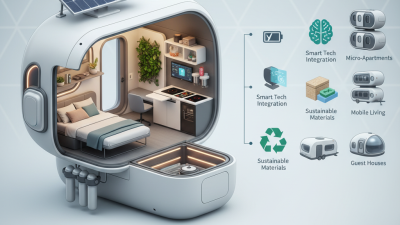
Innovative technologies are reshaping eco homes, making sustainable living more achievable. Smart home systems are at the forefront. These devices optimize energy use by adjusting heating and lighting based on occupancy. They can significantly reduce energy wastage. For example, smart thermostats learn user patterns, helping to minimize unnecessary energy consumption.
Renewable energy sources are also crucial. Solar panels and wind turbines are becoming standard in eco home designs. They generate clean energy, often covering a home's entire power needs. However, the initial investment can be daunting. Not everyone can afford these technologies upfront.
Sustainable materials are gaining traction, too. Homes built with recycled products reduce waste and carbon footprints. Yet, sourcing these materials can be inconsistent. Not all regions have access to quality recycled components. As we explore the future, navigating these challenges will be vital for widespread adoption of eco homes.
What is the Future of Eco Homes in Sustainable Living? - Innovative Technologies Shaping the Future of Eco Home Development
| Dimension |
Description |
Impact on Sustainability |
Future Prospects |
| Renewable Energy Systems |
Integration of solar panels, wind turbines, and geothermal systems. |
Reduces carbon footprint and reliance on fossil fuels. |
Growing adoption and advancements in technology. |
| Smart Home Technology |
Use of IoT devices to monitor and manage energy consumption. |
Enhances energy efficiency and reduces waste. |
Increasing integration of AI and machine learning for optimization. |
| Sustainable Building Materials |
Utilization of recycled and eco-friendly materials. |
Reduces environmental impact and promotes circular economy. |
Expansion in availability and performance of materials. |
| Water Conservation Technologies |
Includes rainwater harvesting and greywater recycling systems. |
Significantly decreases water usage and encourages sustainability. |
Emerging innovations to enhance efficiency in water management. |
| Passive Design Strategies |
Design that maximizes natural light, ventilation, and thermal mass. |
Minimizes energy consumption for heating and cooling. |
Greater emphasis in urban planning and architecture. |
Government Policies and Incentives for Promoting Eco Homes
Government policies play a crucial role in promoting eco homes. In the U.S., the Department of Energy reported that homes utilizing energy-efficient designs can reduce energy bills by up to 30%. This substantial savings makes eco homes more appealing. Tax credits and rebates for renewable energy installations further incentivize homeowners. For instance, the federal solar tax credit currently offers a 26% deduction on installation costs.
Many cities have introduced green building codes, encouraging sustainable practices. These laws often require the use of sustainable materials and energy-efficient technologies. According to the World Green Building Council, buildings are responsible for 39% of global carbon emissions. Policies targeting eco homes can significantly mitigate this impact.
However, there are challenges. Regulatory obstacles can hinder the adoption of innovative materials. Additionally, insufficient public awareness limits the reach of eco initiatives. Without investments in education, the growth of eco homes may stall. Policymakers must address these gaps to foster a sustainable future.