What is the Future of Modular Houses in 2026?
As we look ahead to 2026, the future of modular houses sparks both excitement and uncertainty. This innovative housing solution has been gaining traction due to its efficiency and adaptability. Industry expert Dr. Jane Thompson, a leader in sustainable architecture, once stated, “Modular houses can reshape our communities for a more sustainable future.” However, achieving this potential is not without challenges.
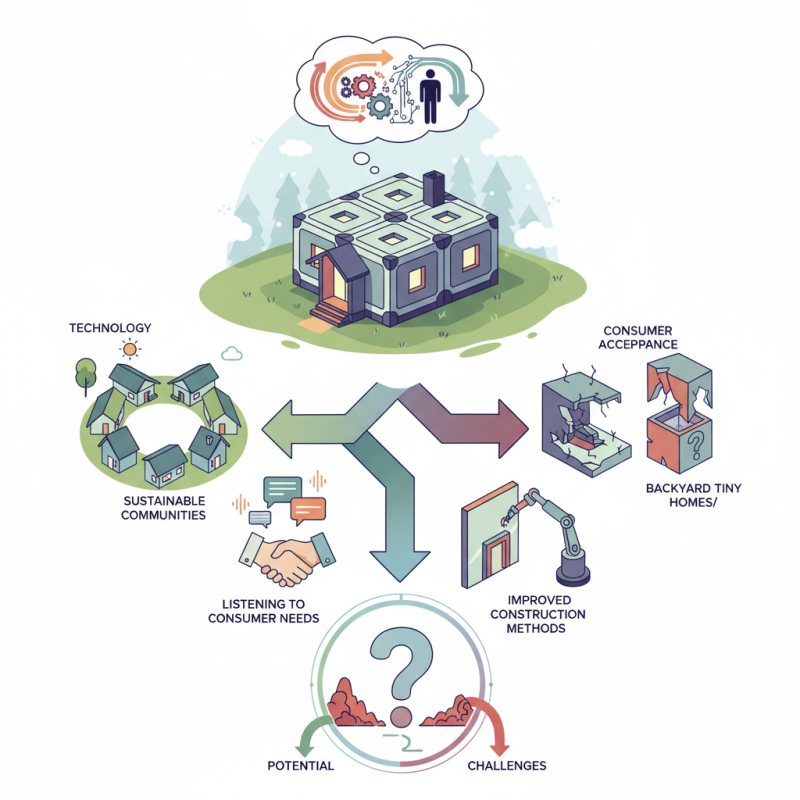
The growth of modular housing relies on technology and consumer acceptance. Many homeowners still view them as temporary solutions rather than permanent homes. This perception needs to change for the industry to thrive. Furthermore, quality control remains a significant concern. Low-cost production can lead to subpar results, impacting durability.
Backyard "tiny homes" have emerged as a trend, yet they often lack essential amenities. This limitation raises questions about practicality and livability in modular homes. As we explore this future, it’s vital to address these imperfections. Listening to consumer needs and improving construction methods will be crucial. The future of modular houses holds potential, but only if we tackle these issues head-on.
The Evolution of Modular Houses: Trends Leading to 2026
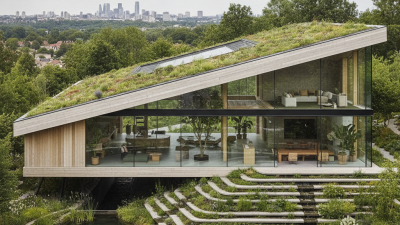
Modular houses are evolving rapidly. By 2026, we will see significant changes in design and functionality. These homes will integrate sustainable materials more effectively. Prefabrication will become common, reducing construction times. Builders will focus on energy efficiency. Solar panels and green roofs will be standard. This shift addresses climate concerns and cost issues.
Customization will play a vital role. Homebuyers will seek unique designs tailored to their needs. Modular construction allows for faster modifications. However, this customization can lead to confusion. The balance between flexibility and manufacturing efficiency is tricky. Not every design can be easily modularized. We may witness setbacks in this area.
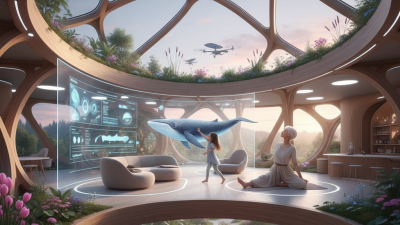
Smart technology integration will also rise. Homes will feature automated systems for lighting and security. Yet, reliance on technology can create vulnerabilities. People may worry about data privacy. As we focus on innovation, the importance of functionality shouldn't be ignored. Making these homes truly livable is a challenge we must acknowledge.
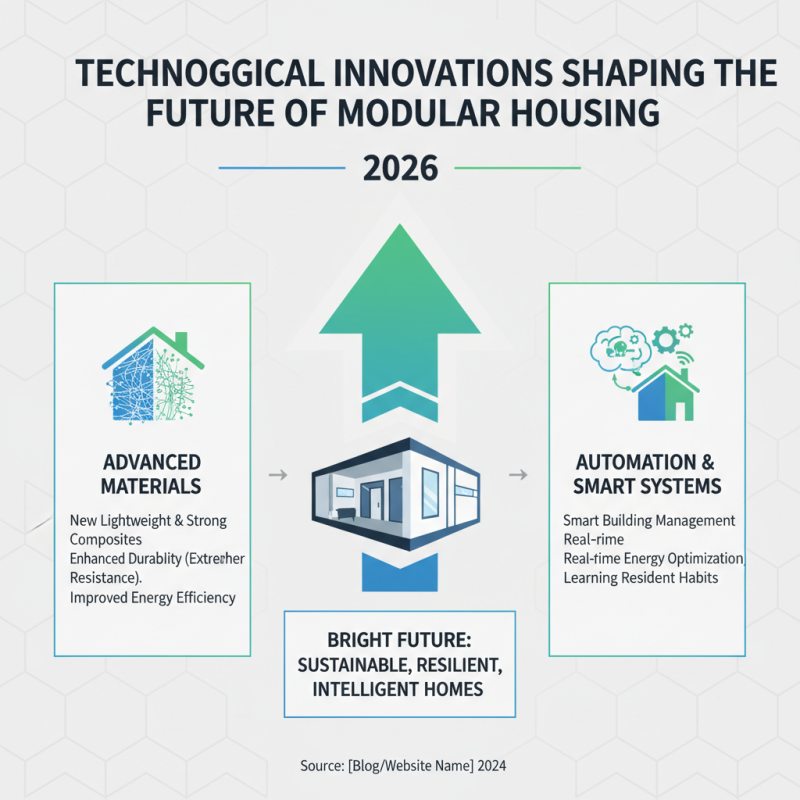
Technological Innovations Shaping the Future of Modular Housing
The future of modular housing is bright, fueled by technological innovations. In 2026, expect to see advanced materials that enhance durability and energy efficiency. For instance, new composites can be both lightweight and incredibly strong. This enables homes to withstand extreme weather while saving on energy costs. Automation will play a crucial role. Smart building systems can optimize energy usage in real time, learning the habits of the residents.
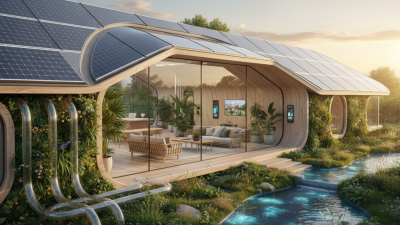
Sustainability is not just a buzzword. Many modular homes will incorporate renewable materials and energy sources. Solar panels will be standard, reducing reliance on grid power. However, challenges remain. The production process needs to minimize waste, and sourcing materials sustainably is complex. It’s essential to innovate while being responsible.
Design flexibility will also improve. 3D printing technology allows for unique layouts and structures that traditional methods cannot match. Yet, there’s the risk of homes becoming too generic. A balance between uniqueness and mass production will be critical. Community needs must guide these developments. Ultimately, the future is promising but requires thoughtful consideration of both technology and human needs.
Sustainability Practices in Modular Construction by 2026
The future of modular houses in 2026 hinges significantly on sustainability practices. A recent report by the World Green Building Council indicates that modular construction can potentially reduce waste by up to 90%. This is a substantial number, highlighting the importance of efficient resource utilization. By focusing on prefabrication, modular homes can streamline manufacturing processes, minimizing material use.
Recycling materials will play a crucial role in these sustainability efforts. For instance, using recycled steel and composites could lower the carbon footprint of modular structures. However, challenges remain. Many manufacturers still rely on conventional materials, which can negate the environmental benefits. A conscious shift towards renewable resources must occur to realize true sustainability.
Energy efficiency is another key focus. Modular houses can incorporate advanced insulation and energy systems. The potential to achieve net-zero energy consumption is within reach, yet many builders still face hurdles in achieving compliance with new regulations. As the industry moves toward 2026, the balance between innovation and practicality will be essential. Embracing sustainable practices is not just beneficial; it is necessary for the future of housing.
What is the Future of Modular Houses in 2026? - Sustainability Practices in Modular Construction by 2026
| Dimension |
2023 Value |
2026 Projection |
| Percentage of Modular Homes Using Sustainable Materials |
40% |
70% |
| Average Construction Time (Days) |
90 |
60 |
| Carbon Footprint Reduction (%) |
20% |
40% |
| Home Energy Efficiency Rating (out of 10) |
6 |
9 |
| Integration of Smart Home Technologies (%) |
30% |
60% |
Economic Factors Influencing Modular Housing Market Growth
The modular housing market is poised for significant transformation by 2026. Economic factors play a crucial role in this shift. Rising construction costs are making traditional building methods less attractive. Homebuyers seek affordable options, and modular homes offer a solution. These homes are often built in factories, ensuring efficiency.
Government policies also impact the market. Incentives for sustainable housing can drive more interest. Eco-friendly materials attract environmentally conscious consumers. However, not all regions are equally supportive. Some areas face bureaucratic challenges that hinder growth. Local regulations may slow down the construction process.
Market demand is fluctuating as well. Urbanization is leading to housing shortages in cities. Modular homes can fill this gap swiftly. Yet, skepticism about quality remains. Buyers worry about longevity and aesthetic appeal. Manufacturers need to address these concerns to build trust. Transparent communication and quality assurance may help. The future is bright, but careful navigation is essential.
Consumer Preferences and Challenges in Modular Home Adoption
As modular houses gain traction, consumer preferences are evolving. Many buyers seek sustainability. They want homes that minimize environmental impact. Energy efficiency is a top priority. This shift shapes the market significantly. Potential homeowners look for designs that align with eco-friendly values.
Challenges in modular home adoption persist. Some consumers fear quality issues. Misconceptions about construction durability linger. Families worry about customization options. They desire unique layouts that reflect personal style. The lack of awareness about modular benefits complicates their choices. Trust remains a barrier that needs addressing.
Market education is crucial for future growth. Highlighting successful modular projects can build confidence. Sharing positive experiences in communities may also help. As consumers learn more, they may become more open to this housing solution. Future trends depend on overcoming these challenges and addressing consumer concerns.
What is the Future of Modular Houses in 2026?
This chart illustrates consumer preferences for various modular house features anticipated in 2026, as well as challenges in adoption. The data indicates a growing interest in sustainability, smart technology, and affordability.