Top House Builds Trends to Watch in 2026?
The house builds industry is rapidly evolving, with new trends shaping the future of residential construction. According to a recent report by the National Association of Home Builders, nearly 70% of builders anticipate changes in design and sustainability by 2026. As we look towards the future, industry expert Jennifer H. Stern emphasizes, "Innovation in house builds will define the modern living experience."
Sustainability is a major focus. Builders are increasingly integrating eco-friendly materials and energy-efficient designs. Over 50% of homebuyers now prioritize sustainable features. This shift reflects a growing awareness of environmental impact and energy costs. Additionally, technology plays a critical role. Smart homes are becoming standard, providing enhanced convenience and security.
Yet, challenges remain. Supply chain issues have led to material shortages. Many builders express frustration over rising costs and delays. Balancing innovation while managing these hurdles will be crucial. As trends continue to shift, the house builds landscape will become more complex. Navigating this changing environment requires adaptability and forward-thinking solutions.
Emerging Technologies in Home Construction for 2026
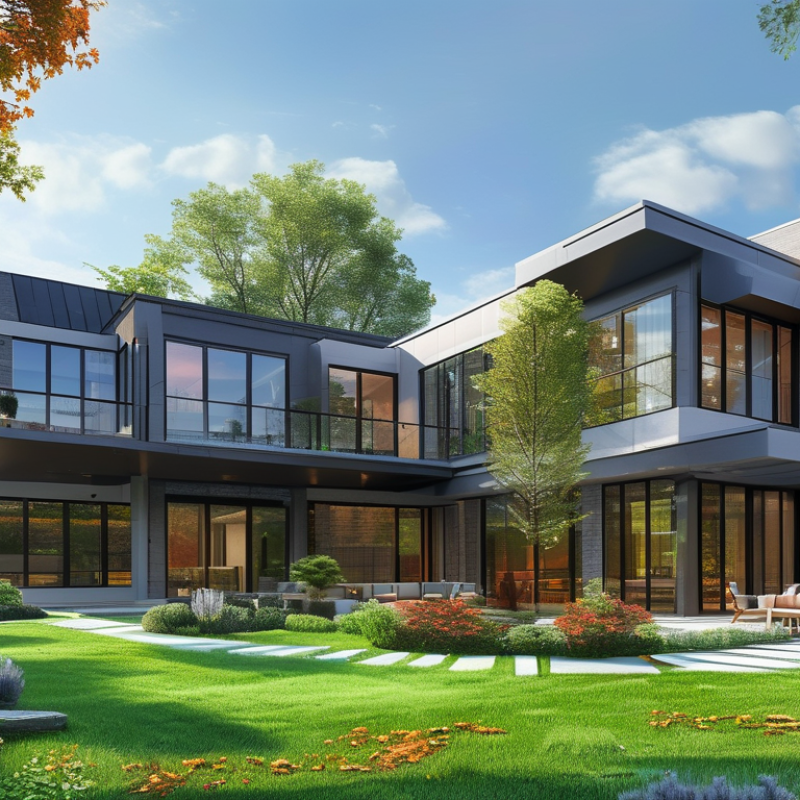
As we approach 2026, emerging technologies in home construction are set to revolutionize the industry. One significant trend is the rise of 3D printing. A recent report from the International Journal of Advanced Manufacturing Technology estimates that this technology could reduce construction costs by up to 40%. 3D printing allows for rapid prototyping and customization of building materials, offering flexibility in design and efficiency in construction time.
Another noteworthy advancement is the integration of smart home technologies. According to a study by the National Association of Home Builders, 70% of homebuyers express interest in smart home features. These include energy-efficient systems that can be monitored remotely. This shift towards automation not only enhances convenience for homeowners but also promotes sustainability. Energy management systems can lead to a 20% reduction in energy use, making homes both affordable and environmentally friendly.
However, these technologies pose challenges. The upfront investment for 3D printing machines and smart systems can be high. Additionally, the integration process may require specialists who are skilled in these new technologies. The construction industry must address the skills gap to fully leverage these advancements. Overcoming these hurdles will be crucial for the successful adoption of emerging technologies in home construction by 2026.
Sustainable Materials and Eco-Friendly Practices in Home Design
The trend of using sustainable materials in home design is gaining momentum. In 2026, homeowners will increasingly prioritize eco-friendly practices. Bamboo and reclaimed wood are becoming popular choices. These materials not only reduce carbon footprints but also add unique character to homes. They offer a warm, natural aesthetic that synthetic materials often lack.
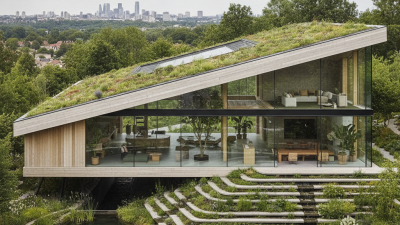
Home designers are also focusing on energy efficiency. Solar panels and green roofs are examples of how technology integrates with eco-consciousness. Rainwater harvesting systems are gaining attention, too. However, implementing these systems can be challenging. Homeowners may need to reconsider their budgets and maintenance routines. This makes it essential to work with knowledgeable professionals.
Moreover, minimalism plays a crucial role. Simple designs with less material reduce waste and promote sustainable living. Many people struggle with the balance of aesthetics and functionality. Choosing the right materials and designs can make this easier. In the end, homeowners must reflect on their values and how they want to impact the environment. Embracing sustainable practices is not just a trend but a necessary shift in mindset.
Smart Home Innovations Shaping the Future of House Builds
The future of house building is increasingly intertwined with smart home innovations. As we move toward 2026, integrating advanced technologies into homes will become a norm rather than an exception. These innovations enhance convenience, security, and energy efficiency. Smart thermostats, automated lighting, and sophisticated security systems are just the beginning.
Using a centralized hub, homeowners can control devices from their smartphones. This not only saves time but also improves energy management. Imagine lights automatically adjusting based on the time of day. Such features are already changing the landscape of home design.
When considering smart features, be mindful of the tech's reliability. Ensure systems have robust security measures. Install updates regularly to protect your home. Always reflect on how these technologies impact daily life. A focus on both convenience and sustainability can foster a harmonious living environment.
Trends in Minimalist and Multifunctional Living Spaces
As we head towards 2026, minimalism continues to dominate the design philosophy in residential spaces. The push for multifunctional living areas is growing stronger. According to a recent survey by the American Institute of Architects, 70% of homeowners express a desire for flexible spaces that serve multiple purposes. This trend reflects changing lifestyles, where adaptability is key. The rise of remote work has made homeowners rethink their needs. A quiet corner for work, a cozy spot for relaxation, and a space for guests—all in one room—has become the standard.
Designers are now focusing on creating open layouts that maximize functionality. Clever storage solutions are essential in these environments. An estimated 65% of homeowners are willing to compromise on square footage in favor of smart design. Features like foldable furniture and built-in storage enable homeowners to adapt their spaces easily. Furthermore, the push towards sustainability is prevalent. Preferring natural and eco-friendly materials resonates with 50% of potential homebuyers. This shift towards minimalist living spaces not only meets practical needs but also promotes a more mindful approach to consumption and space utilization.
Top House Builds Trends to Watch in 2026? - Trends in Minimalist and Multifunctional Living Spaces
| Trend |
Description |
Benefits |
Projected Popularity (%) |
| Minimalist Design |
Focus on simplicity and functionality with less clutter. |
Reduces stress, lowers maintenance, and promotes easy living. |
85% |
| Multifunctional Spaces |
Rooms serving multiple purposes to optimize space usage. |
Maximizes space, improves utility, and enhances flexibility. |
78% |
| Sustainable Materials |
Use of eco-friendly and sustainable building materials. |
Reduces environmental impact and promotes healthy living spaces. |
76% |
| Smart Home Technology |
Integration of technology to automate and enhance home living. |
Increases convenience, improves security, and enhances energy efficiency. |
82% |
| Natural Light |
Designs that maximize natural light through large windows and open spaces. |
Boosts mood, improves energy efficiency, and enhances aesthetic appeal. |
80% |
The Rise of Modular and Prefabricated Housing Solutions
The housing industry is shifting towards modular and prefabricated solutions. These approaches provide numerous benefits. They offer speed of construction, reduced waste, and lower costs. Modular homes can be built in factories, allowing precision and quality control. This off-site method can significantly shorten the timeline for completing a house. Homeowners can move in sooner, which is a major selling point.
Yet, challenges remain. There is still a perception that modular homes lack individuality. Customization options are often limited. Not all builders are experienced in modular construction, leading to quality concerns. Some worry about the longevity and durability of these homes compared to traditional builds. The industry must address these concerns to gain broader acceptance.
Adopting sustainable materials can enhance the appeal of modular homes. This shift aligns with growing environmental awareness. Furthermore, flexible design choices can meet diverse needs. As we move towards 2026, the evolution of modular housing will reflect these changing ideals. Looking ahead, how we address these imperfections will shape the future of home building.