Why Are House Builds Increasing in Popularity Worldwide?
The rising trend of house builds showcases a significant transformation in global real estate. As noted by a recent report from the National Association of Home Builders, the construction of new homes is projected to increase by 15% over the next five years. This surge is driven by a variety of factors, including urbanization and the growing demand for sustainable housing options.
In recent years, more individuals have chosen to invest in building houses instead of buying existing ones. Research from McKinsey indicates that home construction can yield higher customization and energy efficiency compared to older properties. Despite the challenges in securing materials and labor, house builds continue to flourish in various regions.
Interestingly, while new home builds offer numerous benefits, they also raise concerns regarding environmental impact and urban sprawl. Experts emphasize the need for responsible planning and sustainable practices in this booming sector. The question remains whether the industry can balance growth with ecological preservation as the popularity of house builds rises.
Factors Driving the Rise of House Builds in Global Markets
The demand for house builds is surging worldwide, influenced by various factors. Urbanization plays a significant role. As more people move to cities, the need for housing grows. This shift creates a bustling real estate market. However, many cities face a housing shortage. Building new houses can address this gap.
Another driver is the desire for sustainability. Many homeowners seek eco-friendly features in their builds. Energy-efficient materials and designs are increasingly popular. These homes not only reduce utility bills but also align with global efforts to combat climate change. Yet, the challenge lies in balancing cost and sustainable practices. Not every builder is equipped to meet these demands.
Economic factors also contribute to the rise. Interest rates remain relatively low, encouraging people to invest in homeownership. However, potential buyers should consider their financial situations carefully. The dream of owning a house may overshadow practical challenges, such as maintenance costs and market fluctuations. The current trend offers opportunities but requires thorough research and planning.
Economic Trends Contributing to Increased House Construction
House construction is witnessing a remarkable surge globally, driven largely by economic trends. According to a recent report from the Global Construction Perspectives, the industry is set to grow by 85% by 2030. The demand for housing has escalated, especially in urban areas, as populations continue to rise. This has created pressure on local markets, pushing construction companies to ramp up their activities.
Interest rates have remained relatively low in numerous regions, encouraging more people to invest in homes. The National Association of Home Builders reports that lower borrowing costs have led to a 25% increase in residential construction permits over the past year. Additionally, government incentives aimed at boosting housing availability have also played a pivotal role. Programs promoting affordability and first-time homebuyer assistance are further stimulating market conditions.
However, challenges persist. Material costs have spiked. The Bureau of Labor Statistics noted a 20% increase in lumber costs recently, complicating budgeting for new builds. Labor shortages in construction trades are another concern. Many skilled workers left the industry during the pandemic and have not returned. This gap risks delaying projects and increasing costs. As homebuilders navigate these hurdles, adapting to shifting economic landscapes remains essential.
The Role of Sustainability in Popular House Building Practices
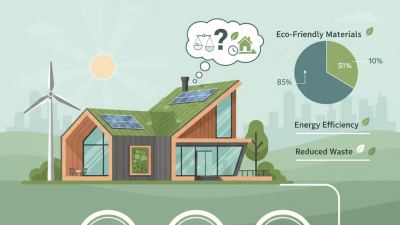
Sustainability is transforming how we think about house building. Eco-friendly materials and practices have taken center stage. Many builders now use recycled materials and energy-efficient designs. This shift reflects a growing awareness of environmental issues. People want homes that are not just beautiful but also kind to the planet.
However, the path to sustainable building is not always clear. Many face challenges like higher initial costs or limited access to sustainable materials. Balancing cost and eco-friendly practices can be difficult. There is also the question of how to maintain durability while using natural materials. For example, some wood products may require more upkeep than traditional building materials.
Despite these challenges, the push for sustainability is promising. Communities are seeing the benefits of green buildings. Homes with better insulation can reduce energy bills. Furthermore, sustainable houses often increase in value over time. With more education and resources, the industry can continue moving forward. As builders and homeowners embrace greener choices, the future looks hopeful.
Why Are House Builds Increasing in Popularity Worldwide? - The Role of Sustainability in Popular House Building Practices
| Country |
Percentage of Sustainable Builds |
Popular Sustainable Materials |
Year-Over-Year Growth (%) |
| United States |
60% |
Wood, Recycled Steel, Straw Bales |
15% |
| Germany |
55% |
Concrete, Green Roofs, FSC Wood |
12% |
| Australia |
70% |
Bamboo, Reclaimed Wood, Solar Panels |
20% |
| Canada |
65% |
Wood, Insulated Concrete Forms, Hemp |
18% |
| Sweden |
75% |
Cross-Laminated Timber, Recycled Materials |
25% |
Technological Advances Enhancing Efficiency in House Construction
Technological advancements are redefining house construction, making it more efficient and popular worldwide. From modular building systems to eco-friendly materials, the industry is experiencing a dramatic transformation. In fact, reports indicate that the global modular construction market is expected to reach $157 billion by 2025, growing at a compound annual growth rate (CAGR) of 6.4%. This surge is fueled by the need for faster build times and lower costs.
Automation has played a pivotal role in enhancing construction efficiency. Robotics and 3D printing are reshaping traditional building processes. For instance, companies are now able to print entire sections of homes, significantly cutting down labor costs. Studies show that 3D-printed homes can reduce construction waste by up to 60%. While these methods are promising, they also raise questions. How will traditional labor markets adapt? Will automation exclude skilled workers?
Sustainability is another focus area. Advanced materials like cross-laminated timber (CLT) offer strength and lower environmental impact. The U.S. Department of Agriculture reports that CLT can sequester carbon and reduce a building's carbon footprint. However, there are challenges. The supply chain for new materials can be inconsistent. Builders must balance innovation with practicality. The rapid adoption of these technologies indicates a shift towards a more efficient, yet complex, future in house construction.
Changing Demographics and Their Impact on Housing Demand
Changing demographics are reshaping the housing market. Millennials are now the largest group of home buyers. According to the National Association of Realtors, about 37% of all home purchases in 2021 were made by this demographic. Their desire for homeownership drives demand. This trend shows no signs of slowing down.
In addition, aging populations are impacting housing choices. Many retirees are downsizing, seeking smaller, more manageable homes. This shift creates opportunities for builders to meet the needs of both younger and older generations. A report by the Urban Land Institute indicates that nearly 70% of older adults prefer single-story homes. These developments are essential for accommodating their lifestyle changes.
Lastly, the rise of remote work is influencing where people choose to live. Many seek homes in suburban or rural areas, away from crowded cities. A survey by McKinsey revealed that around 60% of employees prefer flexible working arrangements. This trend is challenging traditional urban housing models. It highlights the need for adaptability in new builds to meet diverse demands.