Top Tiny Living Ideas for Maximizing Space and Embracing Minimalism?
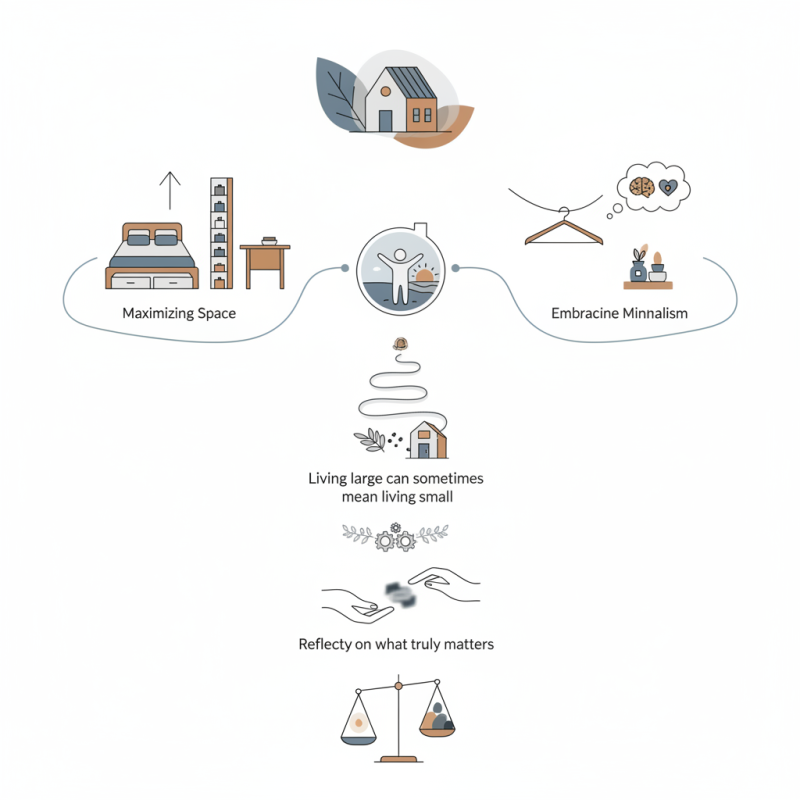
In recent years, "tiny living" has gained popularity as people seek to downsize and simplify their lives. Experts like Ryan Mitchell, a leading voice in the tiny house movement, emphasize the importance of this lifestyle change. He once said, "Living large can sometimes mean living small." This perspective invites us to rethink our relationship with space and material possessions.
Embracing tiny living involves creativity and intentionality. People transform small spaces into functional homes. Clever storage solutions, like under-bed drawers and vertical shelving, maximize every inch. Minimalist design principles enhance the cozy feel of these homes while encouraging mindfulness in our consumption.
Yet, tiny living isn't just about space—it's about mindset. Many face challenges, such as the emotional weight of letting go. Decisions can be tough when you cherish your items. Reflecting on what truly matters is essential in this journey. Tiny living pushes us to consider not just what we need but how we want to live.
Innovative Furniture Solutions for Small Spaces
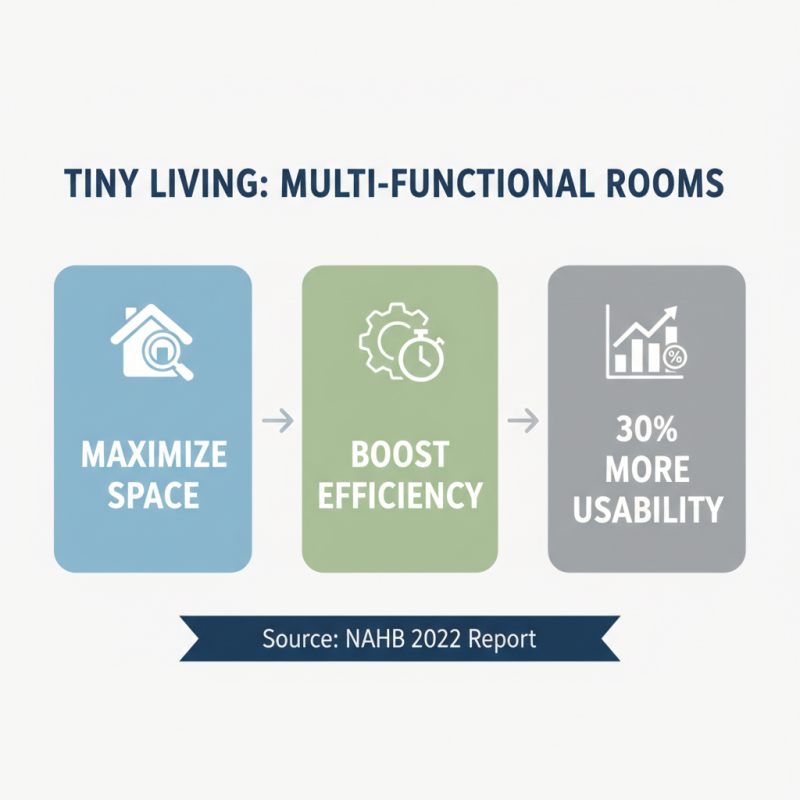
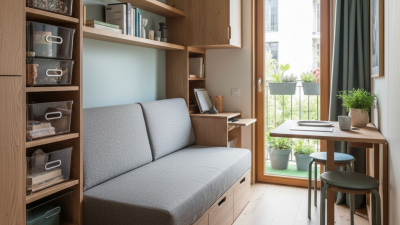
Living in a small space can feel challenging, but the right furniture can make a world of difference. Innovative multi-functional furniture is key to maximizing space. Consider a sofa that transforms into a bed. Or a coffee table that opens up for hidden storage. Simple solutions can turn your living area into a smartly designed home.
Additionally, vertical space often goes unused. Wall-mounted shelves can hold books and plants. They keep the floor clear and create a spacious feel. Another option is foldable tables. These allow you to enjoy meals and then tuck them away when not in use. The struggle often lies in choosing pieces that blend style and function.
Reflections on minimalism remind us of what we truly need. Excess items can clutter not just physical spaces but also our minds. Prioritizing essential pieces should guide choices. Finding balance in design can be easier than it seems. Each piece should serve a purpose. Embracing minimalism is a journey, not a destination.
Creative Storage Ideas to Reduce Clutter
Embracing minimalism often starts with how we manage our belongings. Creative storage solutions can make a huge difference. Think about using vertical space. Wall-mounted shelves can hold books or decor while leaving the floor clear. Hooks can organize bags or outdoor gear. These simple adjustments create a more open atmosphere.
Consider multi-functional furniture. A coffee table with hidden storage can reduce clutter. Ottomans that double as storage units are practical and stylish. In a tiny living space, every piece should serve a purpose. Yet, we often fill homes with items we don’t use. Reflect on what truly matters to you. Let go of things that do not spark joy.
Flexibility is essential in tiny living. Use baskets to corral miscellaneous items. They provide a designated spot while keeping things accessible. Regularly reassess your space and belongings. It’s easy to accumulate items over time. Taking a moment to reorganize can be refreshing. Embrace your space and create a sanctuary. Each choice should enhance your daily life.
Top Tiny Living Ideas for Maximizing Space and Embracing Minimalism
| Idea |
Description |
Benefits |
Example |
| Multi-purpose Furniture |
Furniture that serves more than one function, such as a sofa bed or an ottoman with storage. |
Saves space and reduces the number of items needed. |
Sofa bed in a small living room. |
| Vertical Storage |
Utilizing wall space for shelves, hooks, and cabinets. |
Increases storage capacity without taking up floor space. |
Wall-mounted shelves above a desk. |
| Under-bed Storage |
Storing items in boxes or drawers under the bed. |
Maximizes unused space and keeps areas organized. |
Plastic bins under bed for seasonal clothes. |
| Decluttering |
Regularly removing unused or unnecessary items. |
Creates a more open and peaceful living environment. |
Monthly review and donations to charity. |
| Creative Lighting |
Using various light sources to create a bright and spacious feel. |
Makes small spaces feel larger and more inviting. |
String lights combined with floor lamps. |
Incorporating Minimalist Aesthetics in Tiny Living
Embracing minimalism in tiny living can transform your space. When you focus on the essentials, every item counts. Choose furniture that serves multiple purposes. A bed that doubles as storage can make a difference. Consider a foldable table for dining and workspace. Utilizing vertical space is crucial, too. Shelves can display items without overcrowding.
Color also plays a vital role in minimalist aesthetics. Light shades create an illusion of space. Contrast can be interesting but might feel cluttered when overdone. Use decor sparingly; each piece should have a purpose. Plants can bring life into your tiny home, yet they require care. Reflect on what adds value to your space.
Remember, minimalism isn’t just about less stuff. It’s a mindset. Letting go of unnecessary items can feel liberating. However, it can also be challenging. You may find it tough to part with sentimental items. Embrace this discomfort as part of your journey. Every choice shapes your living experience, even the imperfect ones.
Top Tiny Living Ideas for Maximizing Space and Embracing Minimalism
Outdoor Spaces: Expanding Living Area Vertically and Horizontally
Creating outdoor spaces in tiny living can truly expand both vertical and horizontal areas. Consider adding a
vertical garden on your balcony.
Walls that breathe life draw attention while saving ground space. This not only adds greenery but elevates your mood.
Use planters that can stack to maximize space. The idea is to bring nature closer without overcrowding.
For horizontal expansion, think about multi-functional furniture.
A foldable table can transform a small patio into a dining area. This creates opportunities for gatherings while allowing
for easy storage. Don't forget about lighting. String lights can make even the smallest outdoor area feel inviting.
Start with a few and observe how they change your space.
Reflection is key. Sometimes, less is more. Clutter can creep up, even outside.
It’s essential to assess how each item contributes to your lifestyle. You may find that not everything is necessary.
Embracing this can lead to a more serene outdoor experience. If something doesn't serve a purpose or bring joy,
consider letting it go. This process takes time, but it is worthwhile.