What is a Steel Fire Escape Door and Why is it Important?
Steel Fire Escape Doors are essential safety features in modern buildings. They serve as vital exits during emergencies, particularly fires. These doors are designed to withstand high temperatures and prevent the spread of smoke and flames. Their robust construction ensures that occupants can evacuate safely.
In high-rise buildings, the risk of fire is a significant concern. Steel Fire Escape Doors offer a reliable means of escaping from upper floors. However, not all buildings have proper fire escape routes. This oversight can lead to severe consequences during emergencies. Regular inspections and maintenance are crucial for these doors.
Despite their importance, awareness about Steel Fire Escape Doors is often lacking. Many people underestimate their role in safety planning. It is vital to educate building managers and occupants about these doors. They can be the difference between life and death. Reflecting on safety measures is necessary as we strive to create safer environments for everyone.
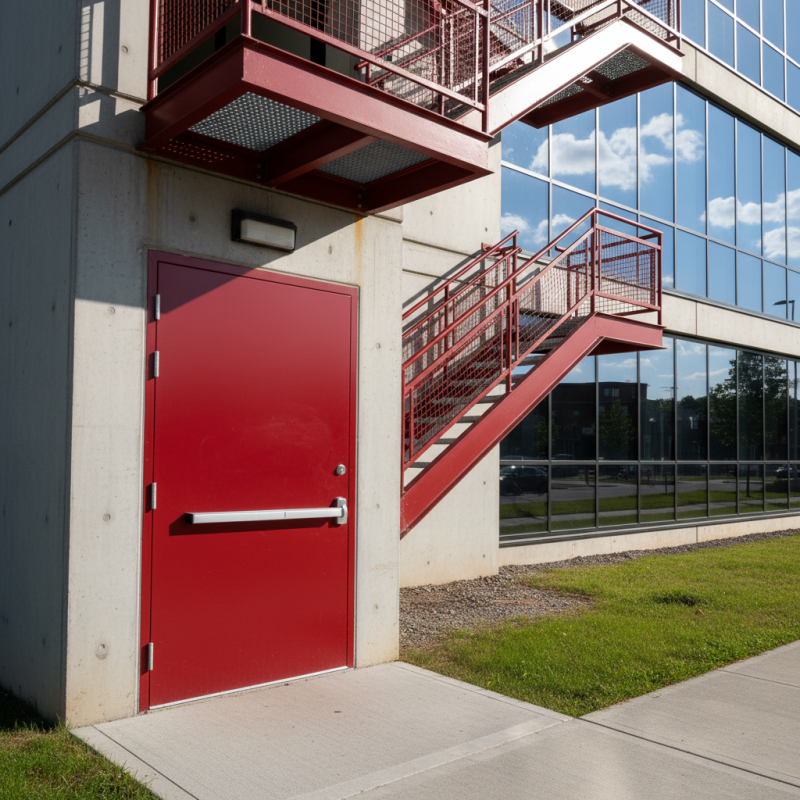
What is a Steel Fire Escape Door?
A steel fire escape door serves a crucial purpose in building safety. It is designed to provide a secure exit route during emergencies, particularly fires. Made from sturdy materials, these doors are resistant to high temperatures and flames. According to the National Fire Protection Association, nearly 3,000 deaths occur annually in the U.S. due to fire incidents. The right fire escape door can save lives.
These doors are often equipped with features like panic bars, which allow quick exits. A well-designed door can endure extreme conditions, staying intact longer when it matters most. A report from the Fire Door Safety Campaign notes that improper installation and maintenance of fire doors can lead to increased risks. Any flaws in the door's design can compromise safety, making awareness essential.
Accessibility and compliance with safety regulations are key factors. Many buildings fail to meet codes that require effective fire escape routes. A study showed that nearly 50% of commercial buildings do not have adequate escape mechanisms. This gap highlights the need for better implementation of fire safety standards. Making sure that steel fire escape doors are in place and up to code is vital for everyone’s safety.
Key Features of Steel Fire Escape Doors
Steel fire escape doors are essential for ensuring safety during emergencies. They are designed to provide a quick exit from buildings, helping to reduce risks during fires. The main features include fire-resistance ratings, durability, and easy operation. According to the National Fire Protection Association, more than 3,000 people die annually due to fires. Ensuring quick access to emergency exits can save lives.
These doors typically have a high fire-resistance rating, rated at least 90 minutes. This means they can withstand intense heat, allowing occupants to evacuate safely. The use of heavy-duty steel provides exceptional strength. Many designs also include self-closing mechanisms to ensure they remain shut, preventing smoke spread. A report by the International Fire Safety Standards highlights that proper door maintenance significantly boosts their effectiveness.
Tips: Regularly inspect the door for any damage. Ensure it opens smoothly and closes securely. Check that emergency exit signs are illuminated. This can help avoid unnecessary delays during an emergency. Simple measures can make a crucial difference.
Taking these precautions is vital for safety. Reflect on your building's fire safety features. Are they adequate? Always prioritize safety over convenience.
Benefits of Installing Steel Fire Escape Doors
Steel fire escape doors are crucial for safety in buildings. They provide a reliable exit during emergencies, such as fires. These doors are made from robust materials, ensuring they withstand high temperatures. They are designed to prevent smoke and flames from spreading. An effective fire escape door can save lives by allowing quick evacuations.
Installing steel fire escape doors offers several key benefits. These doors improve building security. They deter break-ins and unauthorized entry. Also, they require minimal maintenance, reducing long-term costs. Many people undervalue the importance of having durable escape routes. Some might think, “Will I really need it?” However, preparation is key. In critical moments, you don’t want to compromise on safety.
Furthermore, steel fire escape doors comply with safety regulations. They offer peace of mind to occupants. Reliable exits can also enhance property value. A well-prepared space attracts more tenants. It's essential to discuss the potential need for improvements in safety measures. Reflecting on safety allows better planning for the future.
Regulations and Standards for Fire Escape Doors
When it comes to fire safety, the significance of fire escape doors cannot be overstated. Steel fire escape doors are a critical component in emergency exit design. These doors must comply with specific regulations to ensure they function correctly during a crisis. Building codes often dictate their installation in commercial and residential buildings. Proper dimensions, durability, and accessibility are essential. Such doors must be easy to open, even under pressure.
Various standards govern the performance of fire escape doors. The minimum fire resistance rating typically required is 60 minutes. This ensures that the door can withstand flames and heat long enough for occupants to escape safely. Regular inspections are necessary to meet these standards. Wear and tear can compromise their effectiveness. It's essential to address any issues promptly, like rust or damage, to maintain functionality.
Building managers often overlook the maintenance of these doors. Routine checks can be time-consuming but are crucial. An overlooked fire escape door can lead to devastating consequences. Knowing the regulations and adhering to them is not just about compliance. It’s about safeguarding lives. Awareness of these standards should be a priority for everyone involved in building management and safety planning.
Maintenance and Inspection of Steel Fire Escape Doors
Steel fire escape doors are vital for safety. They provide quick access to exits during emergencies. However, their effectiveness relies on proper maintenance and regular inspections. Neglecting these doors can lead to safety hazards.
Regular inspections should occur at least once a year. This allows for the identification of rust, dents, or other damage. Signs of wear can compromise the door's integrity. It's essential to check hinges, locks, and seals to ensure everything functions smoothly. A door that sticks or won't open easily can cause panic in an emergency.
Routine maintenance involves lubricating moving parts and tightening any loose hardware. Keeping the door clean also plays a role. Dirt and grime can affect the functioning of components. Remember, even small issues can lead to significant problems down the line. Proper care ensures that these critical structures remain reliable in urgent situations.
Importance of Steel Fire Escape Doors Maintenance and Inspection
This bar chart illustrates the importance level of various aspects related to the maintenance and inspection of steel fire escape doors. Proper functionality is crucial at 85%, while regular inspections are paramount, being rated at 90%. Maintenance frequency shows a lower priority at 75%, and compliance with safety codes ranks at an impressive 95%, indicating the critical role it plays in ensuring safety.

