How to Create a Sustainable House Living Space in 2025
As we look toward the future, the concept of sustainable living is becoming increasingly vital in shaping our environments. By 2025, the importance of creating a sustainable house living space will be at the forefront of architectural design and personal living choices. A sustainable house living environment not only minimizes our ecological footprint but also enhances the quality of life for its occupants. This transformation involves harnessing innovative materials, efficient energy practices, and thoughtful spatial organization that harmonizes with nature.
The push for sustainability is driven by the pressing need to address climate change and resource depletion. Individuals and communities alike are recognizing the importance of incorporating eco-friendly features—such as renewable energy sources, water conservation systems, and sustainable materials—into their house living spaces. This shift is not merely a trend but a necessary evolution in how we approach our homes and their impact on the world around us.
In our exploration of how to create a sustainable house living space by 2025, we will delve into practical strategies and inspiring ideas that empower individuals to design their homes in a way that reflects their commitment to sustainability. By embracing these principles, we not only foster healthier living conditions but also contribute to a more resilient planet for future generations.
Understanding the Principles of Sustainable House Design
Sustainable house design is becoming increasingly vital as we navigate the complexities of climate change and resource depletion. At the core of sustainable design principles is the emphasis on energy efficiency, which can significantly reduce a household's carbon footprint. According to the U.S. Department of Energy, buildings account for approximately 40% of total energy consumption in the United States. By integrating passive solar design, high-performance insulation, and energy-efficient appliances, homeowners can dramatically lower their energy needs while maintaining comfort.
To further enhance sustainability, the choice of materials plays a crucial role. Utilizing locally sourced, renewable, and recycled materials not only minimizes transportation emissions but also supports local economies. A report from the World Green Building Council highlights that using sustainable materials can reduce a building’s lifecycle carbon emissions by up to 50%.
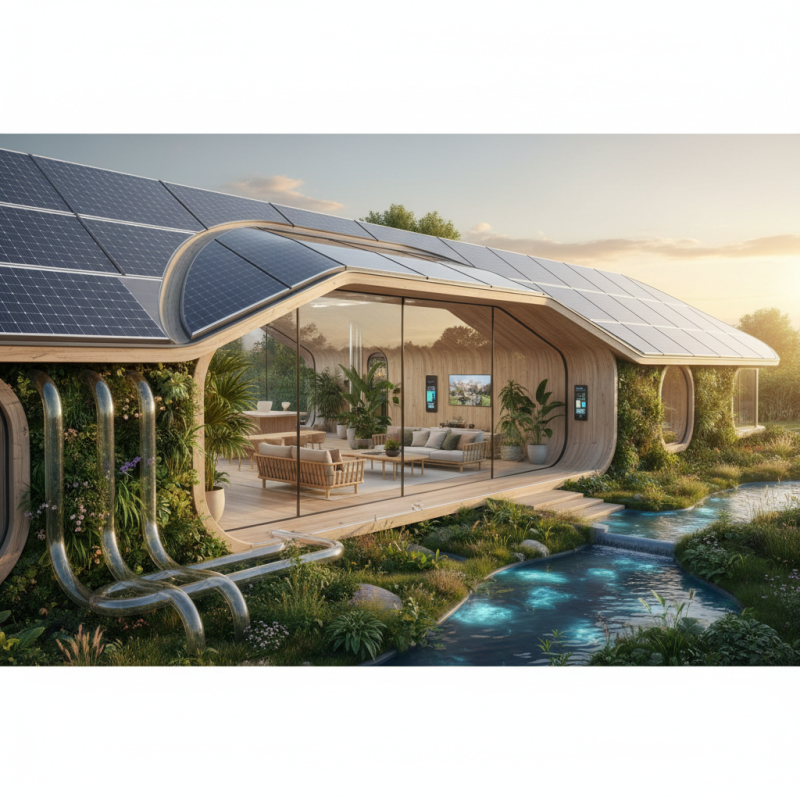
Tips for creating a sustainable living space include installing rainwater harvesting systems, which can significantly conserve water, and incorporating smart home technologies that optimize energy usage based on real-time data. Additionally, focusing on creating green spaces, such as rooftop gardens or native plant landscaping, can improve air quality and provide insulation, thereby further enhancing the sustainability of your living environment.
Energy Consumption of Sustainable House Features in 2025
Key Materials and Resources for Eco-Friendly Construction
In 2025, creating a sustainable house living space will hinge significantly on the choice of materials and resources used in its construction. Sustainable building materials not only reduce environmental impact but also enhance the energy efficiency of homes. According to a report by the World Green Building Council, buildings account for approximately 39% of global greenhouse gas emissions, with a substantial portion emanating from construction processes. Using materials such as bamboo, reclaimed wood, and recycled metal can vastly reduce this carbon footprint. For instance, bamboo, a rapidly renewable resource, has shown the potential to sequester significant amounts of carbon and improve indoor air quality.
In addition to materials, energy resources will play a crucial role in eco-friendly construction. Renewable energy options such as solar panels and wind turbines are becoming increasingly accessible and affordable. Data from the International Renewable Energy Agency (IRENA) indicates that the cost of solar photovoltaic systems has dropped by around 82% since 2010, making it a viable option for homeowners interested in sustainable energy solutions. Moreover, integrating advanced insulation materials and energy-efficient windows can lead to up to 30% savings in energy consumption, according to the U.S. Department of Energy. Such strategic choices ensure that sustainable houses are not only environmentally responsible but also economically beneficial in the long run, paving the way for a greener future in residential construction.
How to Create a Sustainable House Living Space in 2025
| Material |
Sustainability Rating |
Source |
Uses in Construction |
Estimated Cost ($/m²) |
| Recycled Steel |
High |
Post-consumer waste |
Framing, roofing |
20 |
| Bamboo |
Very High |
Fast-growing grass |
Floors, walls, furniture |
25 |
| Reclaimed Wood |
High |
Old buildings, furniture |
Framing, cabinetry, decor |
30 |
| Straw Bales |
High |
Agricultural byproduct |
Insulation, walls |
10 |
| Earth (Adobe, Cob) |
Very High |
Natural soil |
Walls, thermal mass |
15 |
Incorporating Renewable Energy Systems into Your Home
In 2025, creating a sustainable house living space will increasingly rely on integrating renewable energy systems that promote ecological balance and reduce carbon footprints. One primary approach is the installation of solar panels, which harness sunlight to generate electricity.
By utilizing photovoltaic cells, homeowners can not only power their homes but also contribute excess energy back to the grid, creating a symbiotic relationship with their energy providers. The development of highly efficient solar technology will allow for greater energy capture, making even small rooftop installations viable for sustaining entire households.
Another integral component of a sustainable living space is the incorporation of wind energy systems. Residential wind turbines, particularly in wind-rich areas, can complement solar generation, providing a continuous energy supply throughout the year.
By combining these renewable sources, homeowners can achieve a more reliable and consistent energy system. Additionally, implementing energy storage solutions, such as advanced battery systems, will enable residents to store surplus energy for use during peak demand or less favorable weather conditions, ensuring energy resilience and efficiency. Emphasizing these renewable energy systems will pave the way for a greener, more sustainable future in home living.
Innovative Landscaping Techniques for Sustainable Living Spaces
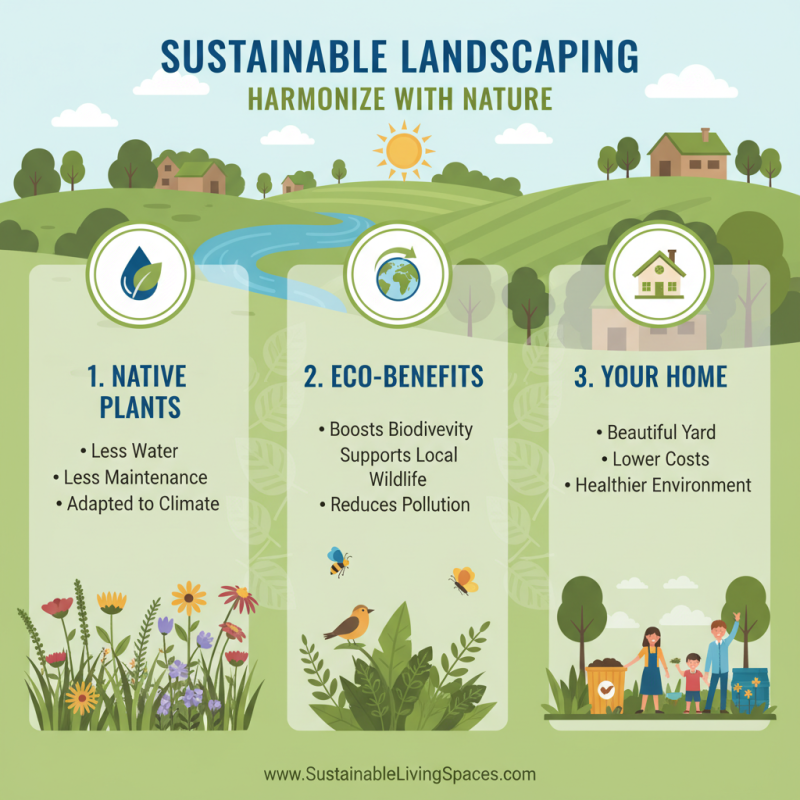
Innovative landscaping techniques play a crucial role in creating sustainable living spaces that harmonize with the environment. One effective approach is the incorporation of native plants, which require less water and maintenance compared to exotic species. By choosing flora that is naturally adapted to the local climate, homeowners can significantly reduce their reliance on irrigation and chemical fertilizers. This not only promotes biodiversity but also supports local wildlife, creating a thriving ecosystem right in one’s backyard.
Another method to enhance sustainability in landscaping is the implementation of permaculture principles. This method involves designing landscapes that mimic natural ecosystems, integrating trees, shrubs, and crops in a way that they mutually benefit each other. For instance, planting fruit trees alongside native shrubs can create a layered effect that maximizes space while providing food and habitat. Additionally, utilizing rain gardens can help manage stormwater runoff effectively, allowing water to percolate into the ground rather than overwhelming drainage systems. These innovative techniques not only contribute to a sustainable living space but also foster a deeper connection between residents and their environment, encouraging a lifestyle that prioritizes ecological balance.
Adapting Smart Technology for Energy Efficiency and Sustainability
In 2025, creating a sustainable house living space hinges on the effective integration of smart technology that maximizes energy efficiency and eco-friendliness. Smart home devices, such as intelligent thermostats and energy management systems, can monitor and adjust energy consumption in real time, ensuring that resources are used wisely. By leveraging sensors and automated controls, these technologies can optimize heating, cooling, and lighting based on occupancy patterns and environmental conditions, significantly reducing waste and lowering utility costs.
Furthermore, smart appliances and grid-connected systems enable homeowners to harness renewable energy sources more effectively. For instance, solar panels paired with smart inverters can seamlessly manage energy distribution, storing excess power during peak production times and utilizing it when demand is high. Additionally, home automation systems can adjust the operation of energy-consuming devices according to the availability of renewable energy, fostering a more responsive and sustainable living environment. As technology continues to evolve, integrating smart solutions will play a crucial role in building homes that are not only comfortable and functional but also aligned with sustainable principles.