Exploring the Top 10 Benefits of Tiny Living for Buyers?
Tiny living is more than a trend; it's a lifestyle transformation. Many buyers are rethinking their spaces, favoring minimalism and efficiency. This shift leads to various benefits that can enhance one's life.
Living in smaller spaces forces individuals to prioritize what truly matters. This can foster a more mindful approach to possessions. Financial savings often result from lower utility costs, reduced maintenance, and affordable housing options. Many find peace in a clutter-free environment, promoting mental well-being.
However, tiny living isn't for everyone. The transition may require downscaling belongings and adjusting to limited space. It invites reflection on personal values and lifestyle choices. Yet, the positive aspects often outweigh the challenges. Tiny living inspires creativity and pushes boundaries, shaping a fulfilling life in less.
The Financial Benefits of Tiny Living: Cost Savings and Affordability
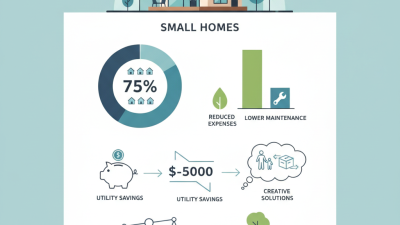
Tiny living has captured the attention of many for its affordability. One of the most significant financial benefits is the reduced cost of living. Tiny homes often have lower mortgage payments or no mortgage at all. This can lead to substantial savings over time. You could potentially save thousands annually. Also, utility costs are often much lower. Smaller spaces use less energy, translating to lower bills each month.
Affordability doesn’t stop at smaller houses. Tiny living encourages simpler lifestyles. Many find they spend less on non-essentials. With less space, there's less room for excess, which can lead to mindful spending. Moreover, maintenance costs are typically lower. A tiny home requires less upkeep, saving both time and money. However, some might struggle with space constraints. Living in a tiny home can be challenging if you are not prepared for it. Adapting to a minimalist lifestyle needs reflection and commitment.
Exploring the Financial Benefits of Tiny Living
Environmental Impact: Reducing Your Carbon Footprint with Less Space
Tiny living is a powerful way to minimize our environmental impact. With smaller spaces, we inherently use fewer resources for heating, cooling, and maintenance. This reduction translates to lower energy consumption and a significant drop in carbon emissions. For instance, compact homes often require less energy for lighting and appliances, providing a dual benefit of cost savings and sustainability.
Moreover, tiny living encourages mindful consumption. With limited space, individuals are more selective about what they keep. They tend to prioritize quality over quantity, leading to less waste. People examine their belongings closely. Do I really need this? This question fosters a deep connection to possessions and promotes eco-conscious choices. However, it can be a challenge to part with items. Reflecting on this experience can lead to better habits and a stronger commitment to the environment.
Living in a tiny space means less room for clutter, but it also tests our lifestyles. While many embrace this change enthusiastically, it may feel constricting to others. The transition isn't always smooth and may require mental adjustments. Understanding our relationship with belongings can lead to growth. Tiny living pushes us to consider our impact, not just on our immediate surroundings but on the planet as a whole.
Simplifying Life: Emotional and Mental Benefits of Minimalist Living
Tiny living offers a unique way to simplify life. It provides emotional and mental benefits that can lead to a more fulfilling existence. Living in a smaller space can reduce distractions and encourage mindfulness. When we downsize, we often find clarity. The noise of material wealth fades, allowing us to focus on what truly matters.
Tips for embracing tiny living:
- Start by decluttering. Go through your belongings and keep only what you love or need. This process not only frees up space but can also be therapeutic.
- Create designated areas for important items. Systematizing your belongings can help you feel more organized.
- Remember, it's okay to let go of things. Each item you release creates opportunities for new experiences.
Minimalist living can also improve mental health. Less space means less room for stress and anxiety. Living simply encourages a sense of serenity. You'll discover more time for hobbies and relationships. However, adjusting to this lifestyle can be challenging. Embrace the discomfort of change. It’s a necessary step towards personal growth. Finding balance is essential in this journey toward simplicity.
Innovative Design Solutions: Maximizing Space Efficiency in Tiny Homes
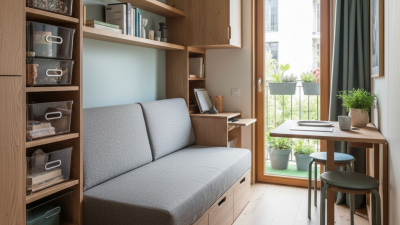
Tiny homes are altering traditional concepts of space and design. With an average size of 400 square feet, these homes require innovative solutions to maximize every inch. Creative storage, multifunctional furniture, and open layouts are critical components. A study from Harvard's Joint Center for Housing Studies emphasizes that effective design can enhance living quality while minimizing clutter.
One approach is the use of vertical space. By incorporating shelves and storage above eye-level, residents can free up floor space. Multi-use items, like a couch that converts into a bed, also contribute to space efficiency. A report by the American Institute of Architects notes that 75% of homeowners look for these design solutions when choosing tiny living. These innovations create not just functional spaces but a sense of openness.
However, challenges persist in tiny living. Some people struggle with downsizing their belongings. Emotional attachments to possessions can hinder this process. It’s essential to balance efficiency with personal comfort. Although tiny living promotes sustainability, it may not suit everyone’s lifestyle needs. Rethinking personal space is a journey that requires both creativity and adaptability.
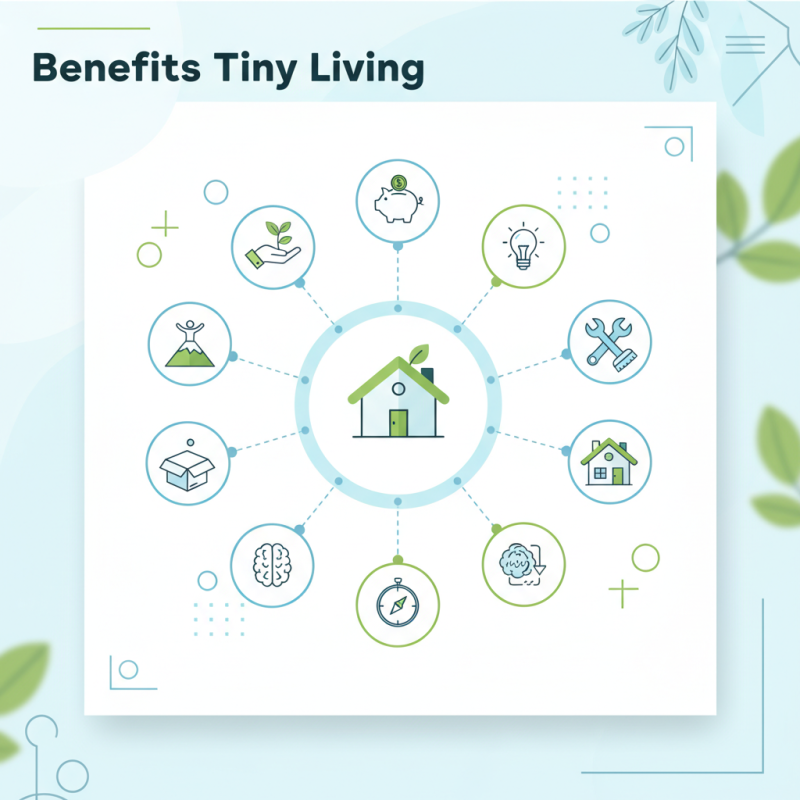
Exploring the Top 10 Benefits of Tiny Living for Buyers
| Benefit |
Description |
Impact on Buyers |
| Cost Efficiency |
Lower purchase price and reduced utility costs. |
Increases affordability for more buyers. |
| Environmental Sustainability |
Reduced carbon footprint due to smaller living spaces. |
Appeals to eco-conscious buyers. |
| Simplified Living |
Encourages minimalism and decluttering. |
Promotes mental well-being for buyers. |
| Mobility |
Easier to relocate compared to traditional homes. |
Attracts buyers who value flexibility. |
| Space Efficiency |
Innovative designs optimize small areas. |
Meets needs of urban buyers with limited space. |
| Community Living |
Encourages connection with neighbors. |
Attractive for buyers seeking community interaction. |
| Lower Maintenance |
Less upkeep required than larger homes. |
Appeals to busy professionals and retirees. |
| Financial Freedom |
Reduces debt burdens and encourages savings. |
Entices first-time buyers and young families. |
| Unique Lifestyle |
Fosters a unique and trendy lifestyle choice. |
Captivates buyers looking for unconventional living. |
| Customization Potential |
Allows for personalized designs tailored to needs. |
Attractive to buyers wanting individuality in living space. |
Community and Connection: The Social Advantages of Tiny Living Environments
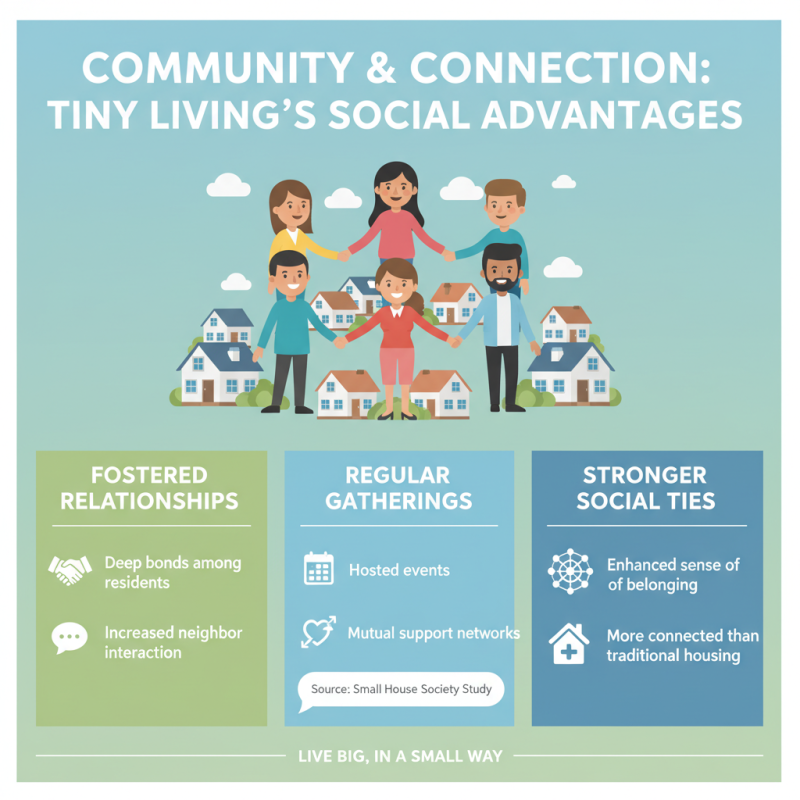
Tiny living environments are increasingly recognized for their community and connection benefits. This lifestyle fosters deep relationships among residents. A study by the Small House Society reveals that tiny communities often host regular gatherings. These events encourage interaction and support networks, leading to stronger social ties. Residents frequently cite feeling more connected to their neighbors compared to traditional housing setups.
Moreover, tiny living promotes a sense of belonging. In spaces where residentslive in proximity, social interactions happen naturally. This encourages collaboration on community projects. Statistics indicate that tiny home dwellers report 30% higher satisfaction levels with their social lives. However, it’s essential to consider challenges. Limited space can lead to conflicts, and some may struggle with privacy. Reflecting on these aspects can help potential buyers prepare for community living. Embracing both the joys and challenges of tiny living is key to a fulfilling experience.