Top 10 Contemporary House Designs for Modern Living: Innovative Concepts
In the realm of modern architecture, the concept of the "contemporary house" has emerged as a defining element for 21st-century living. With an increasing demand for innovative and sustainable designs, contemporary houses reflect an evolution toward spaces that prioritize functionality, aesthetics, and a seamless integration with nature. Renowned architect Sarah Johnson emphasizes this shift, stating, “A contemporary house is not just about the structure; it’s about creating an experience that resonates with the lifestyle and values of today's inhabitants.”
As we delve into the top 10 contemporary house designs, we will explore how architects and designers are reimagining traditional spaces to meet the evolving needs of modern families. From open floor plans that enhance social interaction to eco-friendly materials that promote sustainability, these designs showcase the versatility and creativity inherent in contemporary architecture. By examining these innovative concepts, we gain insight into how contemporary houses not only provide shelter but also foster a sense of community and well-being.
Ultimately, each design represents a unique narrative of the way we live, work, and interact with our environment, demonstrating that the contemporary house is not merely a place to reside, but a reflection of contemporary life itself.
Contemporary House Design: Characteristics and Trends in Modern Architecture
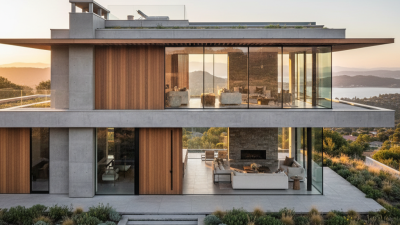
Contemporary house design embodies a wide array of characteristics that reflect modern living's demands and aesthetics. One of the most defining traits of these designs is an emphasis on open floor plans that enhance both space and light. Expansive windows and seamless transitions between indoor and outdoor areas create an airy, welcoming environment. This approach not only fosters a sense of community among household members but also integrates nature into daily life, blurring the lines between the interior and the exterior.
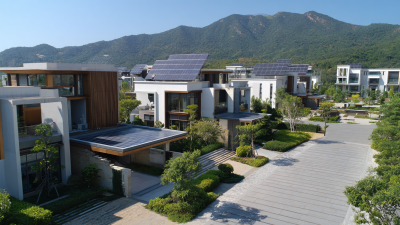
Sustainability plays a crucial role in contemporary architecture, with many designs incorporating eco-friendly materials and energy-efficient technologies. These homes often feature green roofs, solar panels, and rainwater harvesting systems, prioritizing environmental responsibility without sacrificing style. Architects are increasingly attentive to the use of natural materials, incorporating wood, stone, and recycled elements to achieve a harmonious balance between beauty and function. As a result, contemporary house designs not only cater to modern aesthetics but also reflect a growing consciousness about the planet, making them ideal for future-focused living.
Innovative Materials and Techniques in Contemporary House Construction
In the realm of contemporary house design, innovative materials and techniques play a pivotal role in creating functional and aesthetically pleasing living spaces. Sustainable materials such as bamboo, recycled steel, and rammed earth are becoming increasingly popular, not only for their environmental benefits but also for their unique visual appeal. These materials offer durability and energy efficiency, contributing to a lower carbon footprint while enhancing the overall design of a contemporary home.
Modern construction techniques like modular building and 3D printing are reshaping how we envision home construction. These methods allow for faster builds, reduced waste, and greater customization. By utilizing prefabricated components or additive manufacturing, homeowners can achieve unique designs that reflect their personal style while adhering to sustainable practices.
Tips for homeowners considering contemporary design include prioritizing natural light through large windows or skylights, as this can significantly improve the ambiance of the space. Additionally, incorporating smart home technology can enhance both energy efficiency and convenience, making modern living more integrated and comfortable. Remember to focus on the balance between form and function, ensuring that innovative designs also meet practical living needs.
Sustainable Practices in Modern Home Design: A Step Towards Eco-Friendly Living
Sustainable practices in modern home design have become a crucial element in the architectural landscape, as homeowners increasingly seek ways to reduce their carbon footprint and embrace eco-friendly living. The integration of renewable materials, energy-efficient technology, and innovative design principles not only enhances a home’s aesthetic appeal but also promotes environmental stewardship. For instance, utilizing reclaimed wood, recycled steel, and natural stone in construction minimizes resource waste while adding unique character to a residence.
Moreover, contemporary house designs often feature passive solar elements, such as strategically placed windows and thermal mass materials, which help regulate indoor temperatures without relying heavily on artificial heating or cooling systems. Green roofs and living walls contribute to insulation, enhance biodiversity, and improve air quality, offering a multitude of ecological benefits. By prioritizing sustainability, modern home designers and owners are paving the way for a future where stylish living spaces coexist harmoniously with nature, ensuring that the comforts of contemporary life do not come at the expense of the environment.
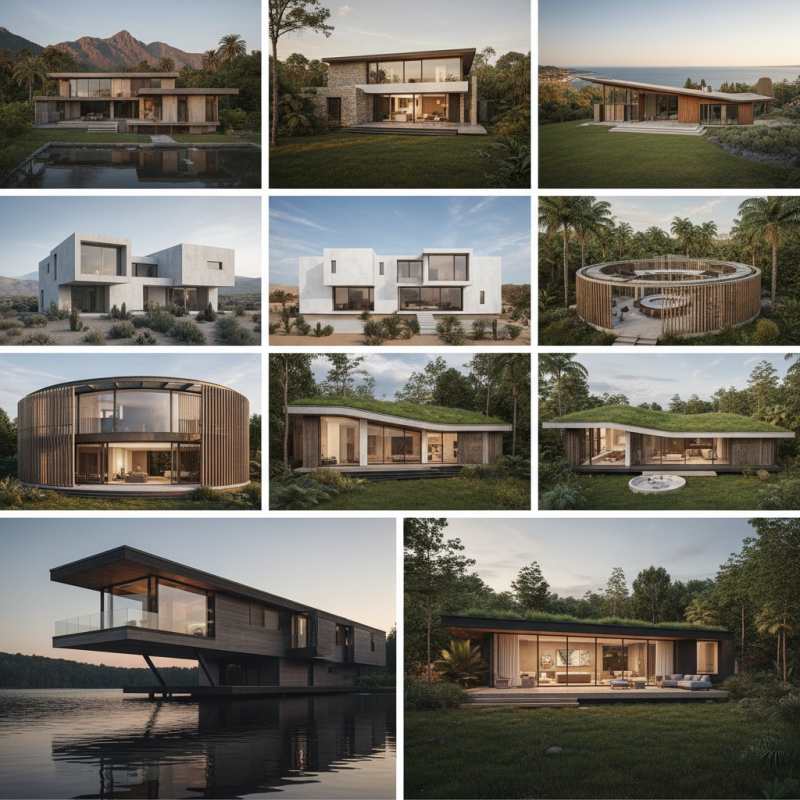
Top 10 Contemporary House Designs for Modern Living
| Design Concept |
Key Features |
Sustainability Practices |
Estimated Cost ($) |
| Open Concept Living |
Seamless integration of living spaces |
Use of reclaimed wood and energy-efficient appliances |
350,000 |
| Minimalist Design |
Reduced clutter, clean lines |
Low-impact materials, natural lighting |
300,000 |
| Smart Home Integration |
Automated systems for modern convenience |
Energy monitoring and smart appliances |
400,000 |
| Biophilic Design |
Incorporation of nature indoors |
Living walls, natural ventilation |
380,000 |
| Container Homes |
Repurposed shipping containers |
Recycling materials, low energy use |
250,000 |
| Green Roofs |
Vegetation on rooftops |
Stormwater management, insulation |
320,000 |
| Prefabricated Homes |
Economical assembly from factory-built parts |
Resource-efficient manufacturing |
275,000 |
| Earth-Sheltered Homes |
Built into the earth for thermal benefits |
Natural insulation, reduced heating costs |
360,000 |
| A-Frame Houses |
Sturdy triangular structure |
Efficient roof drainage, recyclable materials |
290,000 |
| Multi-Functional Spaces |
Rooms that serve multiple purposes |
Adaptive reuse of materials |
310,000 |
Smart Home Technology Integration in Contemporary House Designs
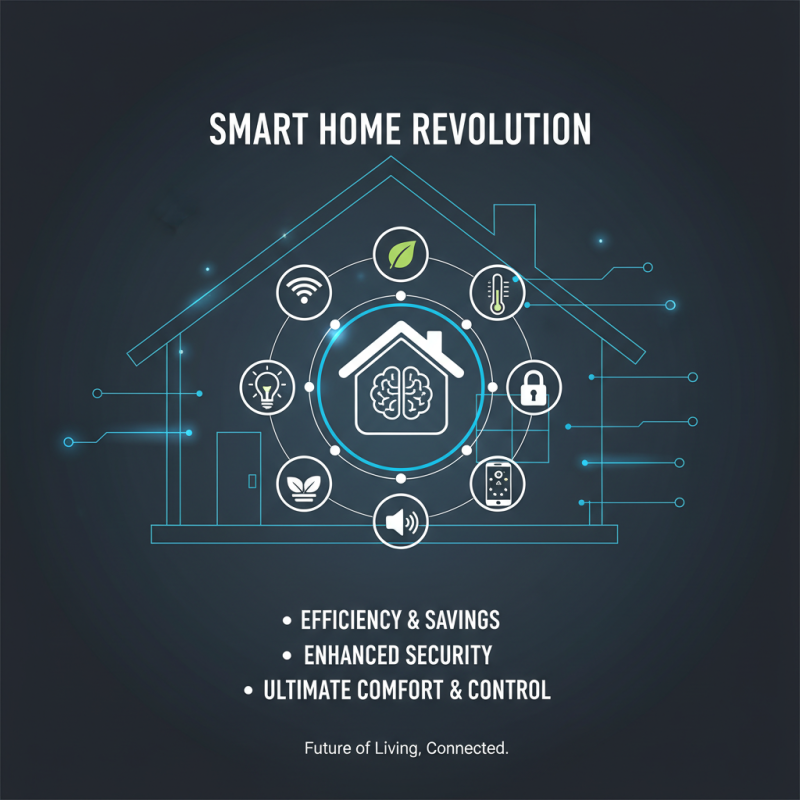
The integration of smart home technology into contemporary house designs has revolutionized the way we interact with our living spaces. By incorporating innovative technological solutions, modern homes are becoming more efficient, secure, and comfortable. Features such as automated lighting, smart thermostats, and voice-activated assistants allow homeowners to control various aspects of their living environment seamlessly. This level of connectivity not only enhances convenience but also contributes to energy savings, as systems can be programmed to reduce consumption when not in use.
In addition to improving everyday comfort, smart home technology plays a significant role in enhancing security. Advanced security systems equipped with surveillance cameras, motion sensors, and smart locks provide homeowners with peace of mind. These systems can be monitored remotely, allowing users to keep an eye on their property from anywhere in the world. Furthermore, the integration of smart technology in home designs fosters a sustainable lifestyle, as many systems can analyze energy use and suggest improvements, making it easier for residents to minimize their environmental impact while enjoying modern comforts and efficiencies.
The Role of Interior Spaces in Enhancing Modern Living Experiences
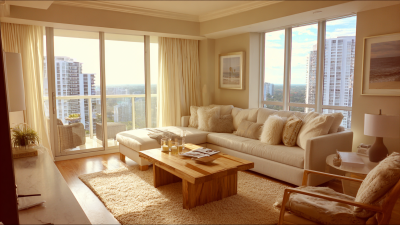
Interior spaces play a crucial role in enhancing modern living experiences, making them a focal point in contemporary house designs. According to a recent report from the American Institute of Architects, nearly 70% of homeowners prioritize open floor plans to facilitate interaction and connectivity within the living space. This trend reflects a shift towards multifunctional areas that blend leisure, work, and social gatherings, enhancing the way individuals engage with their homes. By maximizing natural light through large windows and integrating sustainable materials, these designs not only improve aesthetics but also contribute to emotional well-being.
Innovative concepts in home design emphasize the importance of creating environments that adapt to the needs of their inhabitants. A study published in the Journal of Interior Design found that well-organized spaces significantly impact productivity and mental health, with 60% of participants reporting improved mood and focus when living in thoughtfully designed interiors. Features like versatile furniture arrangements, dedicated relaxation zones, and the incorporation of nature through biophilic design elements cultivate a sense of harmony.
As the boundaries between work and home continue to blur, the design of interior spaces will undoubtedly play a pivotal role in shaping modern living experiences, ensuring they are comfortable, functional, and inspiring.