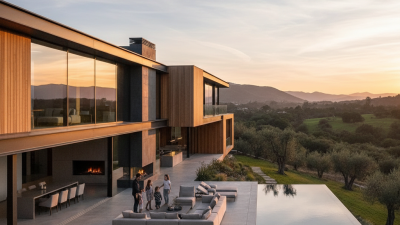
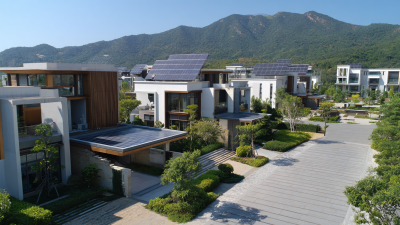
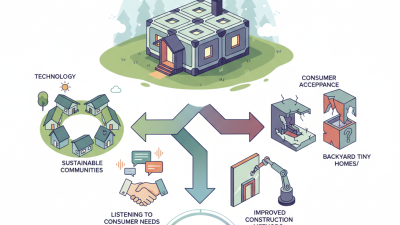
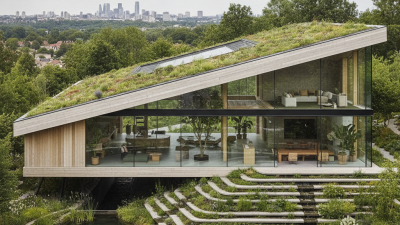
Modern homes are reshaping how global buyers imagine comfort, privacy, and long-term value. From glass-walled villas in coastal climates to compact urban residences with intelligent layouts, these properties reflect changing lifestyles. They are not merely visual statements. They combine energy performance, thoughtful materials, flexible spaces, and access to reliable infrastructure.
This guide explores ten modern homes that stand out for international audiences. Each selection considers architectural quality, environmental response, practical maintenance, and everyday livability. Natural light, shaded terraces, quiet work areas, and efficient kitchens matter more than dramatic photographs. So does resilience. A beautiful home may feel less impressive when extreme weather, high upkeep, or limited local services become real concerns.
There is no perfect global ranking. Buyer priorities differ widely. Some value rental potential, while others seek family space or a peaceful retreat. Local building standards, ownership rules, taxes, insurance, and professional inspections also deserve careful attention. Independent advice remains essential before any purchase decision. This is where the discussion becomes less glamorous, but more useful.
Design can mislead.
The homes featured here offer inspiration, not automatic guarantees. Their materials may age differently across regions, and smart technology may require specialist support. Readers should question assumptions, compare total costs, and consider how each property would function after the first exciting visit. Modern homes succeed when beauty supports real life, not when appearance hides difficult compromises.
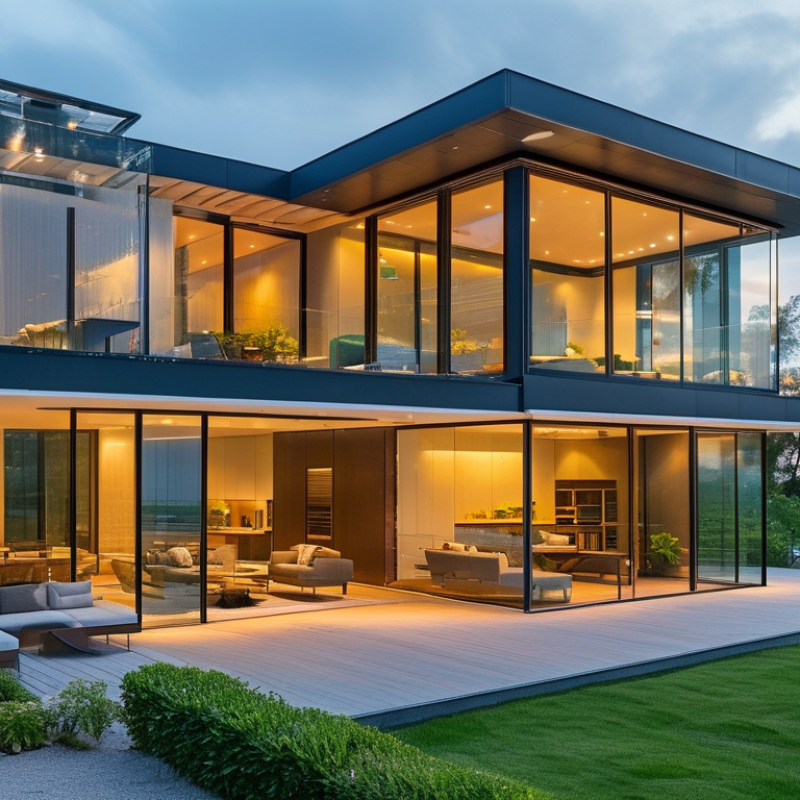
Modern homes for global buyers are not defined by glass walls or sculptural furniture. They combine clean forms, efficient systems, flexible layouts, and climate-aware construction. A useful definition includes three elements: comfort, adaptability, and measurable performance.
According to the International Energy Agency, buildings use about 30% of global final energy and create 26% of energy-related emissions. Therefore, a modern home should use insulation, shading, efficient ventilation, and low-energy lighting. Solar control matters in Singapore. Thermal storage matters in colder regions. The same design cannot work everywhere.
Good homes also respond to daily experience. Imagine a shaded terrace, quiet bedrooms, cross-breezes, and a kitchen that opens toward natural light. Smart controls can monitor temperature, water use, and indoor air quality. However, technology should remain simple to repair. That point is often ignored.
UNEP’s 2023 Global Status Report estimates that buildings and construction consume about 32% of global energy and produce roughly 34% of global carbon emissions. This makes material selection important. Buyers should examine insulation quality, recycled content, durability, and maintenance records. Flexible rooms support changing family needs and international lifestyles. Wider doors, step-free entrances, and adaptable bathrooms improve long-term access.
The definition remains imperfect. “Modern” can describe luxury without efficiency. A beautiful façade may hide weak ventilation or costly maintenance. For a global buyer, reliable documentation matters: energy ratings, building approvals, climate data, and clear ownership records. The strongest candidates in a top-ten list should perform well, not merely photograph well.
A top-ten list of modern homes should begin with location, not glossy photography. Study commute times, airport access, schools, healthcare, and seasonal weather. A quiet coastal property may feel perfect in spring, then suffer from humidity and limited services in winter. Check flood maps, construction records, and local ownership requirements before making an offer. Independent advice matters.
Design should serve daily life. Look for cross-ventilation, shaded glass, practical storage, and durable exterior materials. A dramatic staircase can impress visitors but frustrate older residents. Ask an architect to inspect insulation, drainage, wiring, and future maintenance costs. I have seen buyers focus on floor area and miss poor natural light. That mistake becomes expensive.
Tips: Compare at least three locations. Visit twice, including a weekday. Measure noise at different hours. Request written estimates for taxes, repairs, and utilities. Compare recent sales, not advertised prices. Consider resale demand, but do not treat forecasts as facts. Local market data can be incomplete, and even expert opinions may be wrong. Leave room for doubt. A beautiful home with flexible rooms, efficient systems, and clear documentation often holds value better than a fashionable design with costly upkeep.
A comparative shortlist of modern residential markets using location quality, architectural performance, ownership practicality, and long-term value indicators.
| Rank | Market | Typical Modern Home Profile | Prime Modern Residential Price Indicative USD/m² |
Location Strength | Design and Climate Response | Ownership and Market Considerations | Long-Term Value Score Out of 100 |
|---|---|---|---|---|---|---|---|
| 1 | Singapore | High-rise or landed contemporary residence, typically 90–280 m², with extensive glazing, shared amenities, and strong security. | $15,000–$30,000 | Excellent public transport, strong regional connectivity, reliable infrastructure, and high access to healthcare and education. | Deep balconies, solar-control glass, shaded circulation, efficient cooling, and layouts suited to a hot and humid climate. | Limited land supply supports scarcity; foreign ownership rules, taxes, and tenure should be checked carefully before purchase. | 91 |
| 2 | Copenhagen, Denmark | Energy-efficient townhouse, apartment, or waterfront residence, generally 85–220 m², with clean lines and flexible interiors. | $8,000–$16,000 | Compact urban form, extensive cycling infrastructure, dependable public transport, and strong access to cultural facilities. | High-performance insulation, triple glazing, daylight planning, district heating, and durable low-maintenance materials. | Transparent legal systems and strong urban livability support resilience; taxes, financing rules, and coastal exposure remain relevant. | 89 |
| 3 | Melbourne, Australia | Detached architectural home or renovated modern villa, commonly 150–350 m², often with landscaped outdoor space. | $6,000–$14,000 | Diverse neighborhoods, established universities, major employment centers, and a broad range of suburban housing options. | Passive-solar orientation, cross-ventilation, insulation, water-saving landscaping, and adaptable indoor-outdoor living. | Stable legal ownership framework and diversified economy; bushfire, flood, insurance, and local planning overlays require due diligence. | 87 |
| 4 | Vancouver, Canada | Contemporary detached house, glass-fronted townhouse, or high-end apartment, usually 100–300 m². | $9,000–$20,000 | Strong natural setting, international airport access, established transit corridors, and proximity to outdoor recreation. | Seismic detailing, high-performance envelopes, heat-pump systems, rain management, and large windows oriented toward views. | Limited developable land and persistent housing demand support scarcity; seismic, moisture, tax, and foreign-buyer rules must be reviewed. | 86 |
| 5 | Zurich, Switzerland | Precisely detailed apartment, hillside residence, or compact detached home, commonly 80–240 m². | $14,000–$28,000 | Excellent rail connectivity, high personal safety, strong employment base, and efficient municipal services. | Low-energy construction, robust insulation, controlled glazing, natural materials, and highly efficient space planning. | Strong currency and institutional stability are attractive for preservation of value; non-resident purchase restrictions can apply. | 85 |
| 6 | Lisbon, Portugal | Restored modernist apartment, contemporary townhouse, or compact hillside villa, generally 75–220 m². | $4,500–$10,000 | International airport, growing technology and creative sectors, walkable historic districts, and strong coastal appeal. | External shading, tiled or stone surfaces, natural ventilation, solar hot-water potential, and flexible renovation layouts. | Relative value compared with northern European capitals remains attractive; building condition, seismic performance, and tax policy need checking. | 83 |
| 7 | Tokyo, Japan | Compact urban house, high-spec apartment, or architect-designed residence, typically 60–180 m². | $7,000–$18,000 | Exceptional rail coverage, deep employment markets, extensive services, and highly efficient urban access. | Earthquake-resistant structure, insulated windows, compact storage, privacy screens, and carefully controlled daylight. | Infrastructure quality is exceptionally high; land value varies sharply by neighborhood, while building depreciation and seismic records matter. | 82 |
| 8 | Dubai, United Arab Emirates | Contemporary villa, branded-free high-rise residence, or gated community home, commonly 120–450 m². | $4,000–$12,000 | Major aviation hub, international schools, modern road infrastructure, and strong amenities for internationally mobile households. | Solar-control façades, shaded courtyards, high-capacity cooling, water-efficient planting, and indoor-outdoor layouts designed for heat. | Freehold areas can be accessible to international buyers; service charges, heat exposure, supply cycles, and ownership structures require review. | 80 |
| 9 | Sydney, Australia | Harbour, coastal, or inner-suburban contemporary home, often 160–400 m², with terraces or landscaped gardens. | $8,000–$22,000 | Deep labor market, strong universities, international connections, established neighborhoods, and high lifestyle appeal. | Natural ventilation, shading, bushfire-aware detailing where relevant, durable coastal materials, and efficient glazing. | Scarce well-located land supports long-term demand; stamp duty, planning restrictions, insurance, and climate exposure affect returns. | 79 |
| 10 | Austin, United States | Energy-conscious detached home, urban infill residence, or modern ranch-style property, generally 150–350 m². | $3,500–$9,000 | Expanding employment base, major university presence, airport access, and comparatively spacious housing stock. | High-performance insulation, solar-ready roofs, heat-pump systems, covered outdoor rooms, and drought-tolerant landscaping. | More attainable entry pricing than several global gateway cities; property taxes, heat, water availability, and neighborhood supply should be assessed. | 77 |
Method: Scores are comparative benchmarks based on connectivity, infrastructure, livability, design resilience, ownership practicality, supply scarcity, and economic diversification.
Price note: Price figures are indicative 2024–2025 ranges for well-located modern residential properties and can vary substantially by neighborhood, tenure, condition, floor level, views, and local regulations.
Buyer reminder: A professional inspection, title review, structural assessment, tax analysis, insurance quotation, and independent valuation should be completed before purchase.
Global buyers are drawn to modern homes that combine design, efficiency, and practical living. Ten types stand out across international markets: smart urban lofts, biophilic courtyard villas, passive-solar houses, net-zero homes, coastal pavilion homes, modular residences, multigenerational homes, wellness retreats, compact city apartments, and adaptable live-work houses.
Each type answers a different need. Smart lofts suit professionals seeking central locations and automated security. Courtyard villas create privacy, shade, and outdoor airflow. Passive-solar and net-zero homes reduce energy exposure, although local construction quality matters greatly. Modular homes can shorten building schedules, while multigenerational layouts support changing family structures. Wellness homes add quiet rooms, natural light, gardens, and exercise areas. The Global Wellness Institute valued wellness real estate at about 438 billion dollars in 2023. The National Association of Realtors reported 42 billion dollars in foreign residential purchases from April 2023 to March 2024. These figures show demand, but not every buyer wants the same lifestyle.
Tips: International purchasers should test internet reliability, storage, drainage, and seasonal maintenance. Ask for verified energy records and construction documents. A beautiful glass wall may become uncomfortable in a hot climate. That detail is easy to miss. Buyers should also compare insurance, taxes, and resale demand with local professionals. The best modern home is not always the most dramatic one. Sometimes, modest adaptability wins.
Ten modern home types that attract international buyers, evaluated through energy efficiency, climate resilience, flexibility, urban suitability, and indoor–outdoor living potential.
The International Buyer Appeal Index is a transparent comparative score from 0 to 100, based on five equally weighted characteristics: lower operating demand, resilience to climate risks, adaptable layouts, suitability for urban or remote locations, and access to natural light or outdoor space. It is an editorial index rather than a reported sales or market-share statistic.
What defines the top 10 modern homes for global buyers is no longer marble alone.
Buyers increasingly expect quiet intelligence, lower operating costs, and measurable comfort. The International Energy Agency reports that buildings consume about 30% of global final energy and produce roughly 26% of energy-related emissions. Efficient homes therefore need insulated envelopes, shaded glazing, heat pumps, and carefully tested ventilation. These features matter more than impressive floor plans.
Smart technology should support daily life without becoming a fragile spectacle. Occupancy sensors can adjust lighting, cooling, and ventilation room by room. Leak detection can protect a stone bathroom while owners travel. The system should also work manually during network failures. That detail is often overlooked.
A 2024 global smart-home market analysis projects continued double-digit growth through the decade, reflecting strong consumer interest. However, market growth does not prove reliability. Buyers should request commissioning records, energy bills, cybersecurity documentation, and independent performance tests.
Luxury now feels tactile and responsible.
Picture cool floors warming before sunrise, filtered daylight across a timber wall, and outdoor planting that reduces summer heat. The United Nations Environment Programme reports that buildings and construction generated 37% of global energy-related emissions in 2022. Lower-carbon materials, recycled content, local sourcing, and durable repairable fixtures can reduce that burden.
Yet sustainability claims remain imperfect. Some imported finishes look green but carry heavy transport impacts. The best homes disclose material origins, maintenance needs, and realistic payback periods. True global standards require comfort, resilience, privacy, and evidence—not merely expensive finishes.
Modern homes attract international buyers through flexible layouts, energy efficiency, and strong indoor-outdoor connections. Yet design appeal changes across markets. In coastal countries, shaded terraces and flood-resistant foundations matter. In colder regions, insulation and heating performance deserve more attention than glass walls. Location changes everything. The Prime Global Cities Index 2023 recorded 2.2% average price growth across 44 major cities. However, that figure hides sharp differences between countries, neighborhoods, and property types.
Cross-border buyers should examine ownership rules, transfer taxes, currency exposure, insurance, and resale demand before choosing among the top ten homes. Local building codes can affect solar systems, water storage, parking, and renovation plans. The 2024 Global Real Estate Transparency Index reported transparency improvements in 89% of markets, but not every transaction is equally clear. A beautiful property may still carry unclear maintenance obligations or restrictive planning conditions. I would not rely on brochures alone. Independent legal, tax, and technical checks remain essential.
Tips: Compare total annual costs, not only the purchase price. Check the title. Ask for recent utility records and structural inspections. Test mobile coverage inside basement rooms. Visit during different weather conditions. Currency movements can change affordability quickly, while local financing rules may exclude overseas income. Mistakes happen, especially when buyers trust familiar standards in unfamiliar countries.