Top Benefits of Ready Mix Concrete for Your Projects?
Ready Mix Concrete (RMC) has revolutionized the construction industry, offering unmatched advantages for various projects. According to a report by the U.S. Geological Survey, the demand for RMC increased by 5% in recent years, highlighting its growing importance. Experts assert that RMC boosts efficiency and ensures consistent quality, critical factors for modern construction.
Renowned industry expert Dr. Emily Johnson states, "Ready Mix Concrete is a game-changer for large-scale projects. Its precision and reliability cannot be overstated." This type of concrete reduces onsite labor, minimizes waste, and accelerates project timelines. Yet, challenges remain. For instance, improper mixing can lead to structural issues, underscoring the need for trained professionals in RMC production.
The ability to customize RMC for specific requirements adds to its appeal. However, not all suppliers meet the necessary standards. Choosing a reliable supplier is essential for optimal results. The future of construction heavily relies on innovations like Ready Mix Concrete. Addressing its challenges will shape the industry ahead.
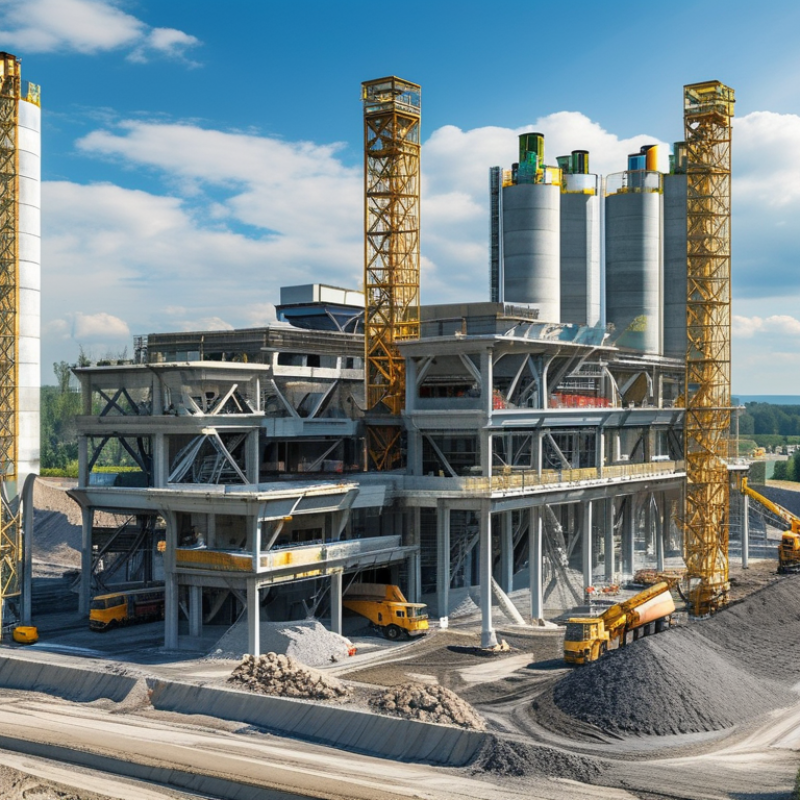
Advantages of Ready Mix Concrete in Construction Projects
Ready mix concrete is gaining ground in construction projects for several compelling reasons. Its key advantage lies in the precision of its formulation. Pre-mixed in controlled environments, ready mix concrete ensures uniform quality. According to a report by the National Ready Mixed Concrete Association (NRMCA), this can enhance the structural integrity of the project. Consistency matters. Variations in material mixing on-site often lead to fluctuating strength.
Moreover, ready mix concrete can significantly cut down on construction time. A study reveals that projects using ready mix can be completed 20-30% faster than traditional methods. Time savings lead to reduced labor costs and faster turnaround. The ability to deliver concrete precisely when needed allows construction teams to keep workflows uninterrupted. However, this method requires careful logistics and planning. Delays in delivery could hamper project timelines.
Environmental benefits also make ready mix concrete a strong contender. It generates less waste compared to on-site mixing. The production process can be fine-tuned to minimize energy usage. A report from the Concrete Sustainability Hub indicated that optimizing mix designs could reduce the carbon footprint by over 30%. Yet, the reliance on transportation raises questions about emissions related to logistics. Striking a balance between efficiency and sustainability remains a challenge.
Consistent Quality Assurance of Ready Mix Concrete
Ready mix concrete is a popular choice for various construction projects. One significant advantage is its consistent quality assurance. Each batch of ready mix concrete is produced in a controlled environment. This reduces variability and ensures uniform strength and durability. When you order from a reputable supplier, you receive a product that meets industry standards.
Quality control begins with raw materials. Suppliers carefully select aggregates, cement, and additives. Each component undergoes rigorous testing. Even minor variations can impact the final product. This attention to detail guarantees that your concrete will perform as expected throughout its life cycle.
However, it's crucial to understand that not all ready mix is created equal. Some suppliers may cut corners or neglect quality checks. It's essential to research and choose a reliable provider. Consider past projects and customer feedback. Quality can significantly influence the outcome of your construction. Investing in ready mix concrete can save time and reduce long-term costs.
Time Efficiency in Project Execution with Ready Mix Concrete
When embarking on construction projects, time efficiency is crucial. Ready mix concrete eliminates many delays associated with traditional methods. It arrives pre-mixed at the site, ensuring that there are no interruptions for mixing on-site. This aspect significantly speeds up the pouring process, allowing teams to focus on other tasks.
However, relying on ready mix does come with challenges. Weather conditions can impact setting times. It's essential to monitor these factors closely to avoid setbacks. Always plan for contingencies; unexpected delays can disrupt even the best-laid schedules.
**Tips:** Ensure you order the correct amount to prevent waste. Communication with your supplier is key. Discuss any potential issues that could arise on-site, like access or equipment needs. Regularly reviewing your project timeline can help identify where additional efficiency can be gained. Balancing speed with quality is vital; don’t rush the curing process.
Top Benefits of Ready Mix Concrete for Your Projects - Time Efficiency in Project Execution with Ready Mix Concrete
| Benefit | Description | Impact on Time Efficiency |
| Consistent Quality | Ready mix concrete is mixed in a controlled environment, ensuring uniform quality and reducing the need for rework. | Less time spent on quality control during construction. |
| Faster Delivery | Concrete is delivered to the site on-demand, minimizing the wait times associated with mixing concrete on-site. | Accelerates project timelines with timely deliveries. |
| Reduced Labor Costs | Less manpower is required on-site as mixing is done off-site. | Saves time in mobilizing and managing labor teams effectively. |
| Minimal Waste | Pre-measured amounts reduce leftover materials and site cleanup time. | Shortens the overall project completion time. |
| Adaptability | Ready mix concrete can be tailored to specific project requirements, ensuring optimal performance. | Facilitates quicker adaptation to project changes. |
Cost-Effectiveness of Using Ready Mix Concrete
Ready mix concrete is increasingly favored in construction for its cost-effectiveness. Recent industry reports indicate that using ready mix concrete can reduce project costs by up to 10-15%. This savings primarily stems from reduced labor and material waste. A study by the National Ready Mixed Concrete Association highlights that the precision involved in ready mix production minimizes overuse of materials.
When considering cost, think about delivery efficiency. Ready mix concrete arrives ready to pour, cutting down on preparation time. This is vital for projects where time is money. Moreover, the consistent quality of ready mix can prevent costly rework that often arises with traditional mixing methods.
Tip: Always calculate your project's specific needs. Evaluate the volume of concrete required to avoid excess. Also, consider local suppliers, as transport costs can impact your budget. While relying on ready mix can save money, pay attention to mix design. Poor choices can lead to performance issues, leading to greater expenses down the line.
Environmental Benefits of Ready Mix Concrete Solutions
Ready mix concrete offers significant environmental benefits that can enhance various projects. It is produced in controlled environments, which means less waste. The precise mixing process reduces excess material. This efficiency translates into lower carbon emissions during production.
Moreover, ready mix concrete has a longer lifespan compared to traditional concrete. Its durability means structures require less frequent repairs. This reduces the need for additional resources over time. Using recycled materials in its production further minimizes environmental impact. For instance, incorporating industrial byproducts helps divert waste from landfills.
However, there are challenges. Transportation emissions can increase if the mix is shipped over long distances. Local sourcing is crucial to reduce this impact. Additionally, while ready mix concrete is efficient, not all mixes offer the same environmental advantages. Evaluating each option carefully is essential. An experienced professional can guide you in making the sustainable choice for your project.

