China Top 10 Living bahria homes Manufacturers for Global Buyers
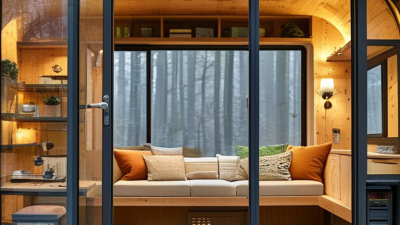
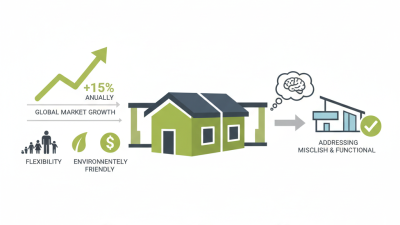
The global market for living capsule homes is expanding beyond compact tourism projects. Buyers now seek practical units for resorts, remote workspaces, emergency accommodation, and private gardens. Yet a glossy exterior does not guarantee dependable performance.
Kisho Kurokawa, the Japanese architect and pioneer of capsule architecture, wrote, “The age of Homo movens has begun.” His idea remains relevant today. Modern living capsule designs must support mobility, comfort, and responsible construction. They also need strong insulation, safe electrical systems, reliable plumbing, and weather-resistant materials. These details matter when a unit faces heavy rain, coastal wind, or winter temperatures.
This guide introduces China’s top ten living capsule manufacturers for global buyers. It considers manufacturing experience, design capability, material quality, customization, export support, and after-sales service. Factory scale is useful, but it is not everything. A smaller supplier may offer closer communication and better adaptation for unusual sites.
Global buyers should examine product drawings, installation requirements, warranty terms, and compliance documents. They should also ask how manufacturers handle replacement parts and technical support after delivery. Shipping a beautiful capsule is easy to advertise. Installing it safely is harder.
Some rankings may remain imperfect because supplier information changes quickly. Public reviews can also be incomplete or overly generous. That uncertainty deserves attention. The strongest choice is not always the cheapest or most stylish model. It is the manufacturer that explains limitations clearly and delivers consistent quality from factory floor to finished living space.
Global Demand Context: 68% of People Will Live in Cities by 2050
China Top 10 Living bahria homes Manufacturers for Global Buyers
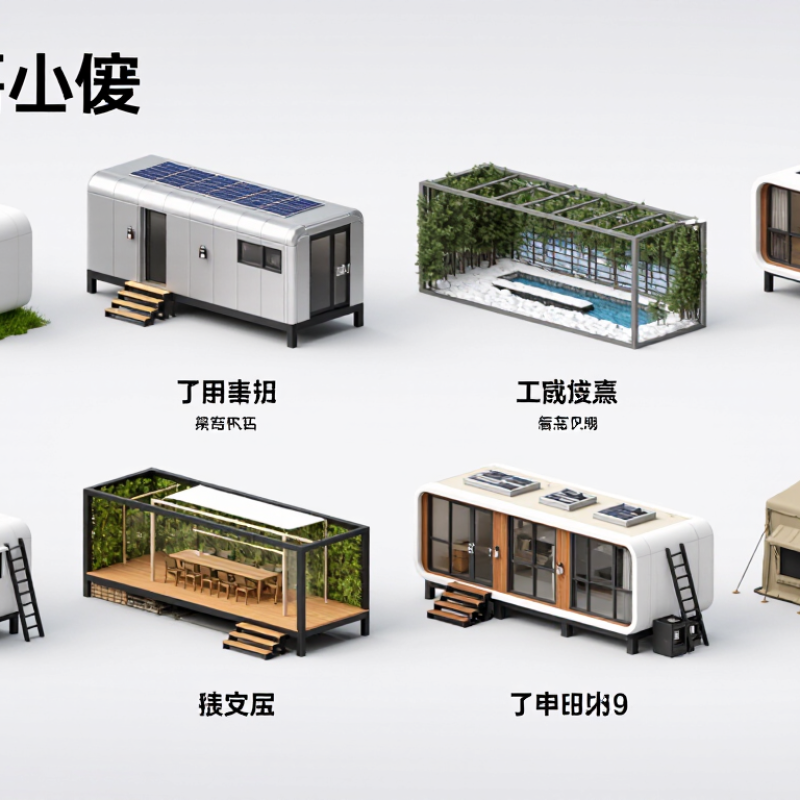
By 2050, about 68% of people may live in cities, according to widely cited United Nations projections. This shift will increase pressure on housing, transport, and public facilities. Living capsules can offer compact accommodation near workplaces, campuses, and transport hubs. Their small footprint may reduce construction time and land use. However, they are not a complete answer to urban housing shortages.
For global buyers, comparing China’s top ten living capsule manufacturers requires more than checking prices. Review insulation materials, ventilation systems, fire protection, electrical standards, and factory quality controls. Ask for test reports, installation drawings, maintenance plans, and references from completed projects. A reliable manufacturer should explain shipping dimensions, warranty limits, and local compliance requirements clearly.
Site visits can reveal details that brochures often hide. Some suppliers still underestimate long-term maintenance costs. That deserves closer attention.
Tips: Measure the intended site before requesting quotations. Confirm climate performance for heat, cold, rain, and humidity. Request a sample unit or video inspection. Check whether replacement parts are available locally. Buyers should also calculate foundations, transport, installation, permits, and future repairs. A cheaper capsule may become expensive after several winters. The concept is promising, but urban planners must protect privacy, accessibility, and resident comfort. Growth alone should not define success.
China’s Top 10 Living bahria homes Manufacturers: Ranking Criteria and Profiles
China’s Top 10 Living bahria homes Manufacturers: Ranking Criteria and Profiles
A credible ranking should examine more than factory size or online visibility. Our criteria include structural engineering, fire resistance, insulation, waterproofing, production quality, export experience, and after-sales support. These details matter in real projects, especially when capsules face heat, humidity, transport vibration, and repeated installation.
The Global Modular Construction Market report by Grand View Research estimated the sector at about USD 91 billion in 2023, with continued growth expected through 2030. This expansion increases choice, but it also makes supplier screening harder. Evidence matters.
The top ten profiles should show factory capacity, material traceability, completed projects, and documented inspection procedures. Independent testing is valuable for electrical safety, thermal performance, and fire ratings. The International Energy Agency reports that buildings account for around 30% of global energy demand, so efficient envelopes deserve a high ranking.
Delivery records should also be checked against promised lead times. Not size alone. Some manufacturers present attractive prototypes but provide limited information about maintenance, replacement parts, or local installation. That is a weakness worth acknowledging.
Tips:
Request a sample specification, factory inspection, third-party test reports, and a full landed-cost quotation. Compare usable interior area, not only advertised dimensions. Ask how the unit performs after several seasonal cycles.
A low initial price may hide higher transport, foundation, or servicing costs. Buyers should also confirm regional codes with qualified professionals before signing contracts.
The ranking is useful, but it cannot replace site-specific engineering review.
bahria homes Manufacturing Metrics: Space, Weight, Energy Use, and Production Capacity
For global buyers, capsule manufacturing begins with measurable constraints, not futuristic appearance. A practical unit often occupies 12–30 square metres, depending on sleeping, bathroom, and storage layouts. Weight commonly ranges from 2.5 to 8 tonnes. It varies sharply with steel framing, insulation, glazing, and installed equipment. Buyers should request a verified shipping weight, not an approximate catalog figure.
Energy use needs equal attention. The International Energy Agency reported that buildings consumed about 30% of global final energy in 2022. A compact capsule can reduce conditioned volume, but poor insulation may erase that advantage. Ask for tested thermal performance, lighting loads, heating demand, and standby consumption. A 3–6 kW connected load is a useful early comparison, although climate changes the result. Small spaces expose weak ventilation design quickly. That detail is easy to overlook.
Production capacity is less simple than factory size suggests. McKinsey reported that modular construction can reduce project schedules by 20–50% when designs are standardized. However, production lines still face bottlenecks in bathroom fitting, electrical testing, and final inspection. A credible manufacturer should disclose monthly output, lead time, quality-control stages, and maximum simultaneous orders. The UNEP 2023 buildings report also reinforces the need to measure both operational and embodied impacts. One uncomfortable point remains: higher capacity does not guarantee better quality. Buyers should compare independently documented data, because attractive numbers can be incomplete.
China Top 10 Living bahria homes Manufacturers for Global Buyers - bahria homes Manufacturing Metrics: Space, Weight, Energy Use, and Production Capacity
Comparative industry benchmark table based on commonly disclosed specifications and typical modular-capsule manufacturing ranges
| Rank |
Anonymous Manufacturer Profile |
Typical Internal Area
(m²) |
Typical Footprint
(m²) |
Empty Weight
(tonnes) |
Manufacturing Energy
(kWh/unit) |
Estimated Annual Capacity
(units) |
Standard Production Lead Time
(days) |
| 1 |
Manufacturer Profile A |
28–32 |
38–45 |
6.5–8.0 |
3,000–3,600 |
180–240 |
45–60 |
| 2 |
Manufacturer Profile B |
24–28 |
34–40 |
5.5–7.0 |
2,600–3,200 |
150–210 |
40–55 |
| 3 |
Manufacturer Profile C |
20–25 |
29–36 |
4.5–6.0 |
2,100–2,800 |
120–180 |
35–50 |
| 4 |
Manufacturer Profile D |
18–24 |
27–34 |
4.0–5.5 |
1,900–2,500 |
100–160 |
30–45 |
| 5 |
Manufacturer Profile E |
16–22 |
24–31 |
3.8–5.0 |
1,700–2,300 |
90–140 |
28–42 |
| 6 |
Manufacturer Profile F |
14–20 |
22–29 |
3.2–4.5 |
1,500–2,100 |
80–130 |
25–40 |
| 7 |
Manufacturer Profile G |
12–18 |
19–26 |
2.8–4.0 |
1,300–1,900 |
70–115 |
22–36 |
| 8 |
Manufacturer Profile H |
10–16 |
17–23 |
2.5–3.6 |
1,150–1,700 |
60–100 |
20–34 |
| 9 |
Manufacturer Profile I |
8–14 |
14–21 |
2.0–3.2 |
950–1,450 |
50–90 |
18–30 |
| 10 |
Manufacturer Profile J |
6–12 |
11–18 |
1.6–2.8 |
800–1,250 |
40–75 |
15–28 |
Measurement notes: Internal area refers to usable enclosed floor space. Footprint refers to the approximate ground area occupied after installation. Empty weight excludes site foundations, local utility connections, and customer-supplied furnishings. Manufacturing energy indicates estimated factory energy per completed unit and excludes transportation, installation, and operational energy. Annual capacity and lead time vary according to model complexity, customization, materials, labor availability, and quality-control requirements.
Compliance Checklist: ISO 9001, CE Marking, GB Standards, and Fire Safety
When comparing China’s top living capsule manufacturers, compliance should guide the shortlist, not only price or appearance. Ask for a current ISO 9001 certificate and verify its scope, issuing body, and validity. ISO 9001 shows a quality system, but it does not prove that every capsule is safe. That distinction matters.
CE marking requires careful product matching. It may apply to electrical equipment, machinery, or other regulated components, depending on the destination market. Request the EU Declaration of Conformity, test reports, and technical files for each relevant component. For China-bound projects, check applicable GB standards for wiring, insulation, structural materials, and electrical protection. A supplier’s general statement is not enough. Check the details.
Fire safety deserves a physical review. Examine wall panels, insulation, cables, doors, emergency exits, smoke alarms, and fire extinguishers. Request flame-spread and smoke-toxicity test results from recognized laboratories. During a factory inspection, compare certificates with actual materials and production records. Labels can be convincing.
Some documentation may be incomplete or outdated. That is a warning, not a minor inconvenience. Also review installation conditions, because transport, site connections, and local permits can change the risk profile. A reliable manufacturer should explain limitations clearly, provide traceable records, and accept independent inspection before shipment. Not every gap means failure, but every unexplained gap deserves a written answer.
Global Buyer Evaluation: MOQ, Lead Time, Shipping Cost, Warranty, and Service
Global buyers should evaluate living capsules as engineered shipments, not glossy rooms. MOQ often starts at one unit, but custom layouts may require five or more. Ask for a written MOQ by model, finish, bathroom package, and electrical standard. Lead time needs two clocks: factory production and port delivery. A 2019 McKinsey report found modular construction can shorten project schedules by up to 50%. That range is not guaranteed. Supplier capacity, inspections, and design changes can erase it.
Shipping cost deserves a landed-cost worksheet. UNCTAD’s Review of Maritime Transport 2024 states that over 80% of global merchandise trade by volume moves by sea. For one capsule, ocean freight may be modest beside crating, inland haulage, port handling, insurance, and import duties. Drewry’s World Container Index has shown sharp weekly movements, so one quotation can age quickly. Request Incoterms, container type, cargo dimensions, and freight validity. Measure volume, not promises.
Warranty terms should separate structure, waterproofing, appliances, and consumable parts. Require response times, spare-part availability, remote diagnostics, and local technician training. ISO 9001 certification supports process control, but it does not prove product durability. That distinction matters. Ask for test records, serial-number tracking, installation manuals, and references from comparable climates. A one-year cosmetic warranty may look acceptable, yet roof leakage can become expensive within one rainy season. Some evaluations remain imperfect. Document the uncertainty.
Global Buyer Evaluation of Living bahria homes Manufacturers
Benchmark index across MOQ, lead time, shipping cost, warranty, and after-sales service. Higher scores indicate more buyer-friendly terms.
The index uses a 100-point scale. It reflects commonly evaluated export criteria: smaller MOQs, shorter production lead times, lower shipping expenses, longer warranty coverage, and faster service response. Actual quotations may vary by capsule size, customization, destination port, order volume, and Incoterms.