Top 10 Modern House Plans for Global Buyers in 2026?
In the ever-evolving world of architecture, modern house plans continue to capture the imagination of global buyers. Experts agree on their timeless appeal. Renowned architect Mark Johnson once stated, “A modern house plan should balance aesthetics with functionality.” This encapsulates the essence of contemporary design.
As we look ahead to 2026, the demand for innovative and sustainable house designs is on the rise. Buyers are increasingly prioritizing energy efficiency and smart home features. However, one must recognize the challenge of keeping designs practical and livable. Trends shift rapidly, and what seems perfect today may become outdated tomorrow.
While modern house plans often showcase sleek lines and open spaces, it’s crucial to remain mindful of personal needs and lifestyle. Buyers must reflect on their unique preferences and local environments. The journey toward the ideal home is not just about trends; it's about creating a comfortable sanctuary that resonates with one's identity.
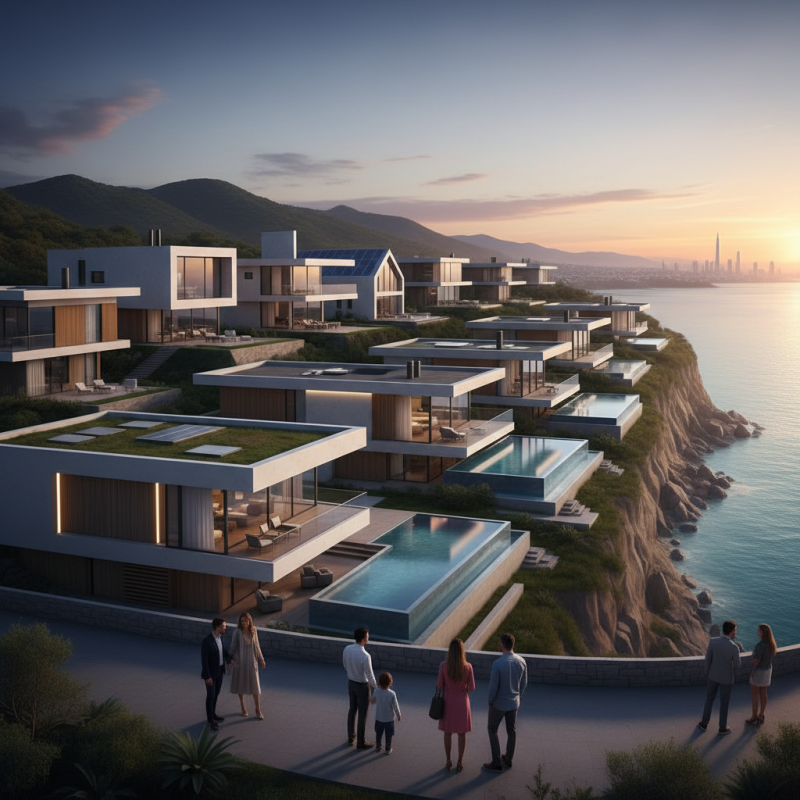
Overview of Modern House Design Trends for 2026
As we approach 2026, modern house design trends are evolving to meet the needs of global buyers. Sustainability remains paramount. According to a 2023 report by the International Energy Agency, 75% of homebuyers prioritize energy-efficient features. This shift influences design choices, resulting in homes that blend aesthetics with eco-friendly materials.
Open floor plans continue to dominate. They provide flexibility and a sense of connection. Surveys indicate that 68% of millennials prefer such layouts, promoting interaction and family bonding. However, some layouts can lead to noise and lack privacy. Future designs may need to address these challenges, balancing openness with distinct spaces.
Technological integration is also a key trend. Smart home features are increasingly expected. A study by Statista shows that 45% of new homes will incorporate advanced technologies by 2026. Despite the excitement around innovation, there are concerns over security and privacy. Buyers must navigate these complexities while investing in modern conveniences.
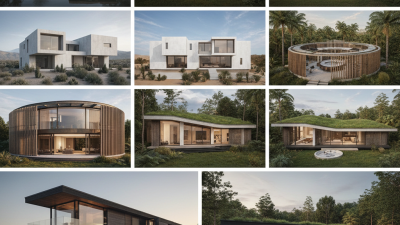
Top 10 Modern House Plans for Global Buyers in 2026
Key Features of Top Modern House Plans for Global Buyers
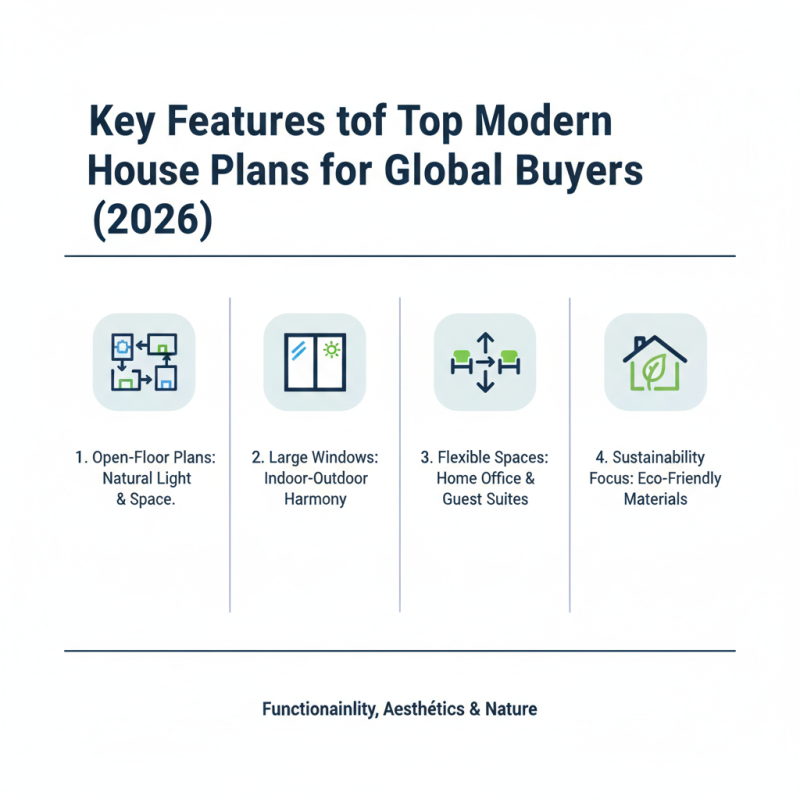
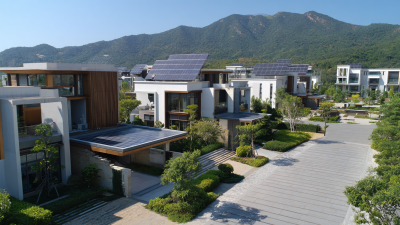
When considering modern house plans for global buyers in 2026, functionality and aesthetics are vital. Many designs incorporate open floor plans. These layouts encourage natural light and create a sense of spaciousness. Large windows are often featured, connecting indoor and outdoor spaces. This trend reflects a growing desire for harmony with nature. Additionally, flexible spaces are essential. Home offices and guest suites are becoming more common, accommodating evolving lifestyles.
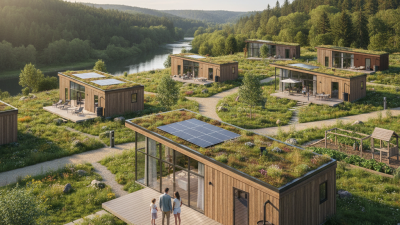
Sustainability is another key feature. Eco-friendly materials and energy-efficient systems lower the carbon footprint. Solar panels and rainwater harvesting systems are increasingly popular. However, sourcing these materials can be challenging. Many buyers also seek smart home technology. Automated systems enhance comfort and security but may have steep learning curves. Balancing innovation with ease of use remains a point of contention.
Buyers must also consider cultural influences. Modern house plans can vary drastically across regions. Customization is important for reflecting local traditions. Collaboration with local architects can enrich the design process. This approach fosters a deeper sense of belonging. Architects must navigate these preferences thoughtfully. Designers should embrace this complexity to create truly unique homes.
Sustainable Building Materials: A Focus for 2026 Designs
Sustainable building materials are increasingly critical in modern house plans. In 2026, global buyers prioritize eco-friendly options. According to the Global Green Building Materials Market Report, the industry is projected to grow by 12% annually, reaching $413 billion by 2026. This growth reflects a shift towards more sustainable practices.
Recycled materials are gaining popularity. They offer a lower carbon footprint and reduce waste. Many architects now design homes incorporating reclaimed wood, recycled steel, and sustainable insulation. A study from the World Green Building Council indicates that buildings using these materials can reduce energy consumption by up to 30%. However, challenges remain in sourcing high-quality recycled materials consistently.
Natural materials like bamboo and hemp are also trending. Bamboo grows rapidly and sequesters carbon effectively. Yet, concerns around sourcing may arise. Ensuring that materials are sustainably harvested is critical. Homeowners and builders must remain vigilant. Each choice influences the environment. The push for sustainable options is a step toward responsible building practices. However, the journey requires ongoing evaluation and adaptation in designs.
Comparative Analysis of Regional Preferences in House Plans
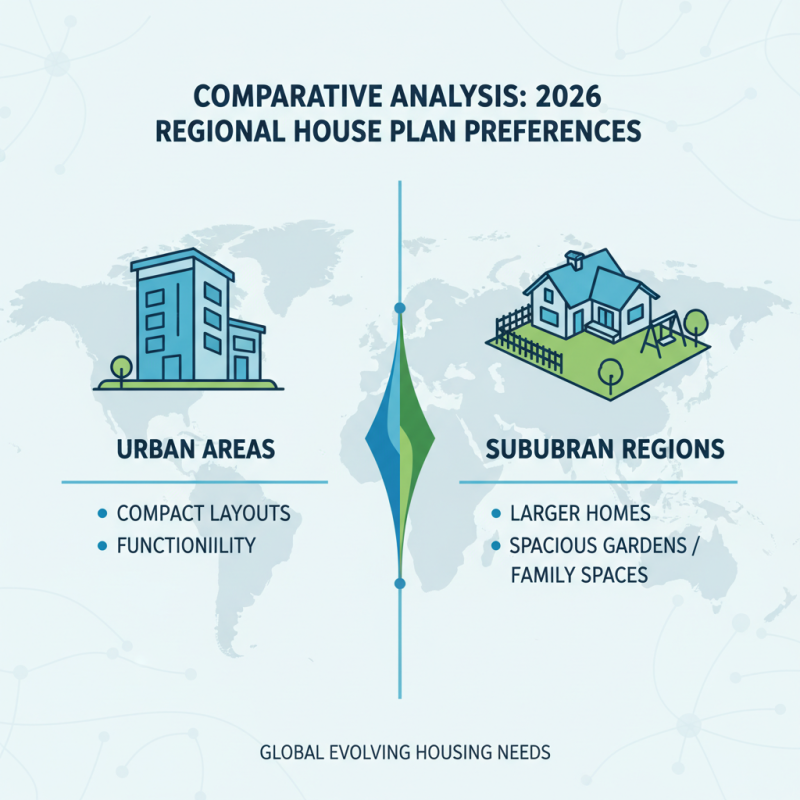
As we approach 2026, housing needs are evolving globally. Different regions showcase unique preferences in modern house designs. For instance, urban areas prioritize compact layouts, focusing on functionality. In contrast, suburban regions lean towards larger homes with spacious gardens. This reflects a desire for outdoor living and family spaces.
Tip: Pay attention to local trends when planning a home. This can enhance value and appeal. Consider cultural aspects too; they play an essential role in house aesthetics.
Designs in coastal regions often embrace open floor plans. They maximize natural light and views. Earthy tones and sustainable materials are popular here. Meanwhile, mountainous areas may favor sturdy structures with varying rooflines. Such details create a harmonious blend with nature.
Tip: Don't overlook the importance of materials. Sustainable choices can improve energy efficiency. Reflecting local heritage in design can also make a home unique. Balancing practicality with artistic elements might boost both comfort and style.
Cost Considerations and Value for Money in Modern House Planning
When considering modern house plans, cost is a vital factor. In 2026, buyers will focus on long-term value. Efficient designs often use sustainable materials. This approach may reduce maintenance costs over time. However, initial expenses can be higher. Many buyers overlook this crucial aspect.
Investing in energy-efficient appliances is one way to save money. These appliances can significantly cut utility bills. The upfront cost may deter some buyers. Yet, the savings over the years can be substantial. Thoughtful planning can lead to a rewarding return on investment.
Another consideration is location. Urban areas tend to have higher property values. Yet, suburban options may offer more space at a lower cost. Balance is essential to transform dreams into reality. Buyers must weigh the pros and cons of each option. Ultimately, reflecting on these factors will guide effective decision-making.