
Top 10 Modern Living House Designs for Global Buyers?
In today's fast-paced world, modern living houses are redefining the concept of home. These designs cater to a global audience, reflecting diverse cultural influences and innovative ideas. Homebuyers seek spaces that blend functionality with style, creating environments that resonate with their lifestyles.
Each modern living house embodies unique elements. From open floor plans to sustainable materials, these residences showcase the latest in architectural trends. However, not every design fits all. Some may lack warmth or personalized touches. It’s essential to find a balance between aesthetic appeal and comfort.
As global buyers explore their options, understanding the nuances of modern living houses is vital. Choices should reflect individual needs and preferences. A well-designed home can enrich life experiences, but it must also adapt to the owner's unique vision.
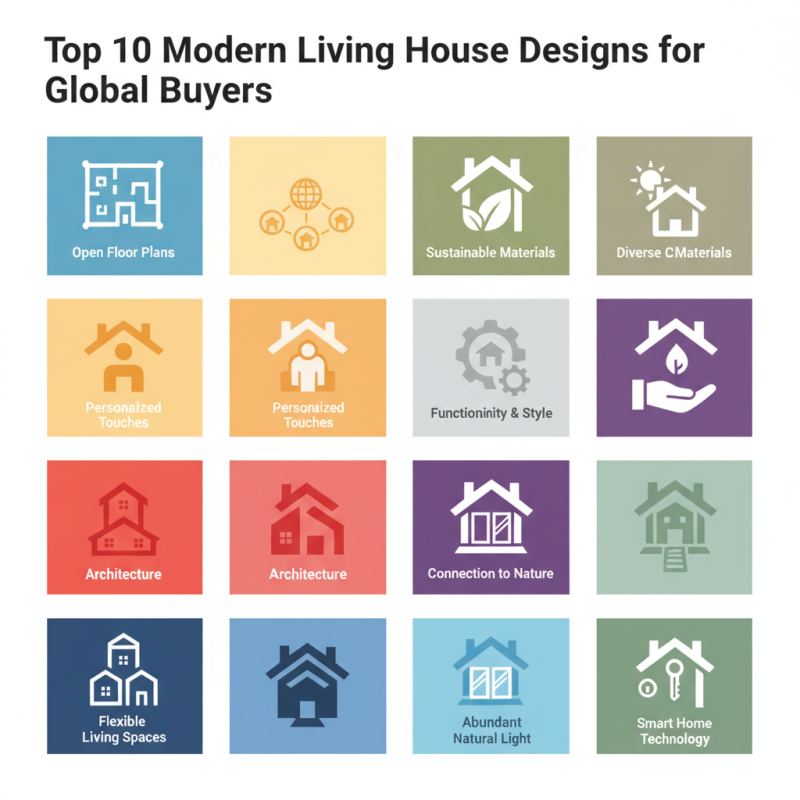
Key Features of Modern Living House Designs
Modern living house designs are evolving to meet the needs of global buyers. These homes often showcase key features that enhance both aesthetics and functionality. According to a recent report by the National Association of Home Builders, approximately 72% of homebuyers prefer open floor plans. This design choice promotes a spacious feel and encourages social interaction.
Another important aspect is sustainability. Homes with energy-efficient features appeal to about 80% of prospective buyers today. From solar panels to high-quality insulation, these elements reduce energy costs and environmental impact. Integrating smart home technology is also becoming increasingly popular. A survey by the American Institute of Architects found that homes equipped with smart devices can improve security and convenience, which is often a priority for modern buyers.
Despite the appeal of these designs, challenges exist. For instance, urban areas face zoning restrictions that limit innovative architecture. Additionally, some buyers find it difficult to balance their aesthetic preferences with practicality. While modern homes are often visually striking, ensuring long-term durability remains essential. Ultimately, understanding these key features can help potential homeowners make informed decisions that meet their lifestyle needs.
Top 10 Modern Living House Designs for Global Buyers
| Design Style | Key Features | Suitable Locations | Price Range (Estimated) |
|---|---|---|---|
| Minimalist | Open spaces, clean lines, neutral colors. | Urban areas, suburbs. | $200,000 - $500,000 |
| Contemporary | Sustainability, eco-friendly materials, large windows. | Coastal areas, eco-conscious communities. | $300,000 - $700,000 |
| Industrial | Exposed brick, metal accents, open layouts. | Converted warehouses, urban centers. | $250,000 - $600,000 |
| Scandinavian | Functional design, natural light, wooden elements. | Northern Europe, modern urban areas. | $250,000 - $650,000 |
| Smart Home | Home automation, energy efficiency, integrated technology. | Tech-forward regions, suburban areas. | $400,000 - $800,000 |
| Mid-century Modern | Flat planes, large glass windows, integration with nature. | Suburban neighborhoods, areas with greenery. | $300,000 - $700,000 |
| Art Deco | Geometric shapes, bold colors, luxurious materials. | Urban artistic districts, historic neighborhoods. | $500,000 - $1,000,000 |
| Cottage Style | Cozy, whimsical design, natural materials. | Countryside, vacation spots. | $200,000 - $400,000 |
| Bungalow | Single story, open floor plans, broad porch. | Suburban neighborhoods, relaxed settings. | $150,000 - $350,000 |
Related Posts
-
What is a Modern Living House Features Designs and Benefits Explained
-
Transform Your Space: Innovative Ideas for Homes Living That Elevate Everyday Comfort
-
Creating Sustainable Homes Living Solutions for the Future of Eco Friendly Communities
-
How to Design Modern Houses That Enhance Comfort and Aesthetics
-
Top 10 Contemporary House Designs for Modern Living: Innovative Concepts
-
2026 How to Design Modern Homes that Embrace Sustainability and Innovation?
