
Top 10 Tiny Living Tips to Maximize Your Small Space Efficiency
In a world where space is becoming increasingly precious, the concept of tiny living has emerged as a transformative lifestyle choice. As we navigate the challenges of urban living and rising housing costs, maximizing the efficiency of our small spaces has never been more critical. Leading expert in minimalism and tiny living, Ryan Mitchell, once stated, "Living in a tiny space is not just about downsizing; it's about prioritizing what truly matters."
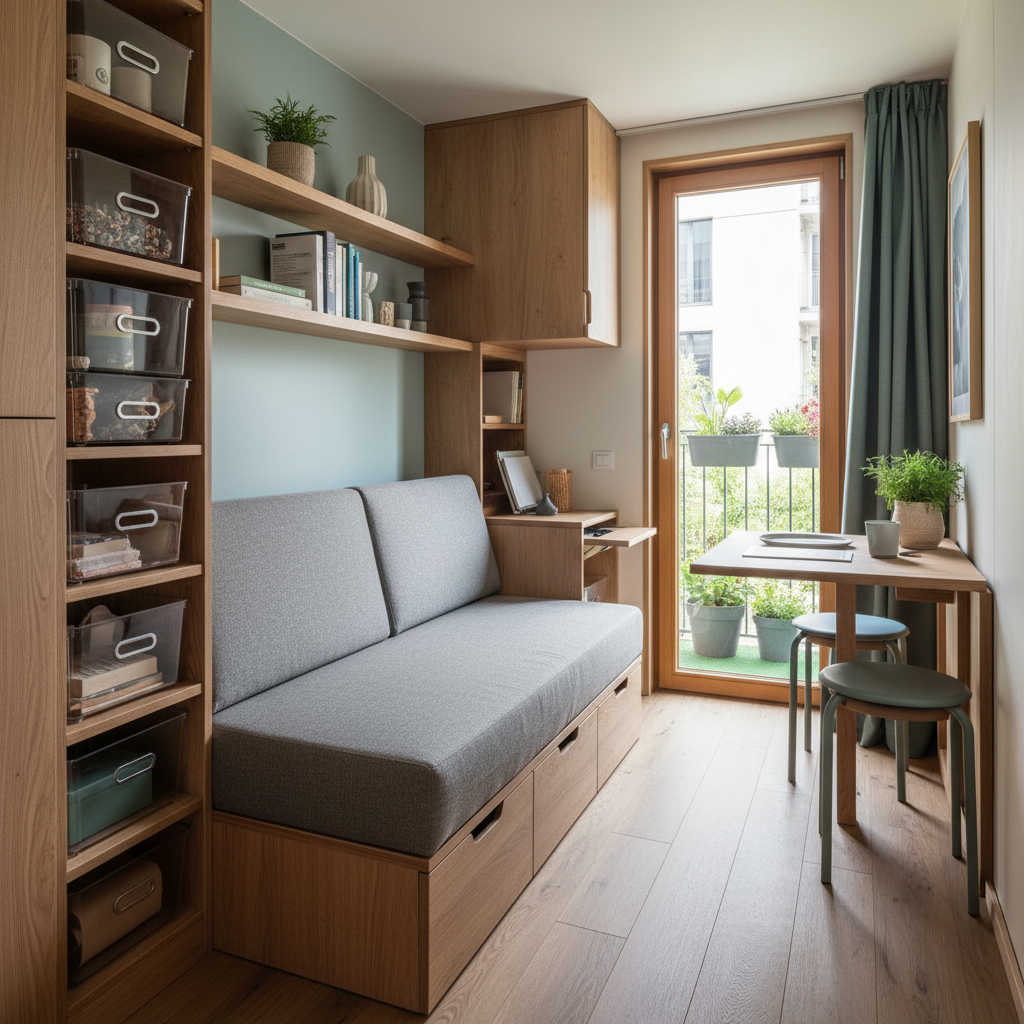
His perspective encapsulates the essence of tiny living, urging individuals to focus on quality over quantity. In this guide, we delve into the top 10 tiny living tips that can help you optimize your small space, ensuring that every inch is utilized effectively without sacrificing comfort or style. Whether you're a seasoned tiny living enthusiast or just starting your journey towards a more minimalist lifestyle, these practical insights will empower you to create a harmonious and functional living environment. Join us as we explore innovative solutions that will revolutionize the way you think about space!
Innovative Storage Solutions for Compact Living Spaces
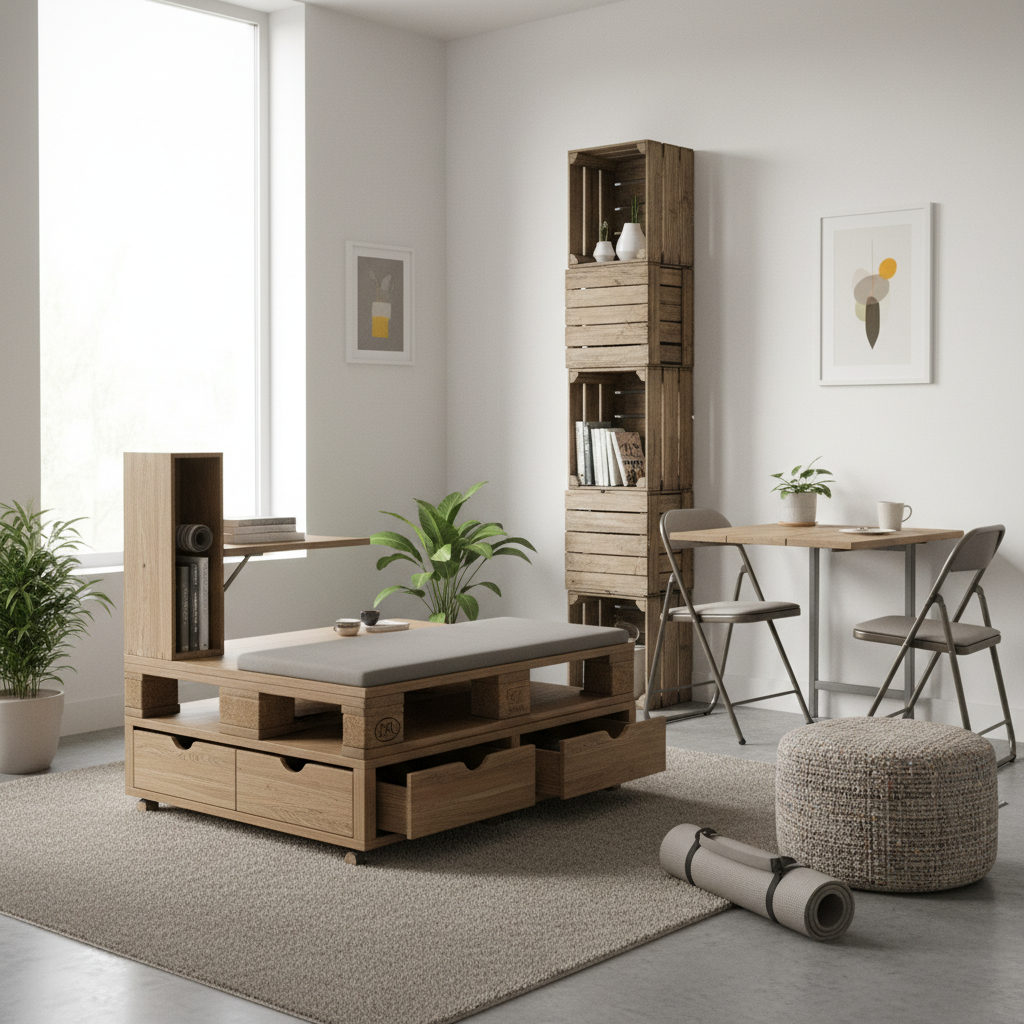
In the quest for compact living, innovative storage solutions have never been more essential. One of the best ways to maximize your small space efficiency is by incorporating multi-functional furniture. For example, consider using ottomans or coffee tables with hidden storage compartments. These pieces not only serve a functional purpose but also keep your living area clutter-free, making your space feel larger and more inviting.
Another great tip is to utilize vertical space effectively. Installing shelves above furniture or using tall bookshelves can help you take advantage of every inch of your walls. This is particularly useful in areas like the kitchen, where wall-mounted racks or pegboards can hold utensils and pots, keeping counters clear and organized. Such strategies are not only practical but also enhance the overall aesthetic of your living environment.
Lastly, consider modular storage units that can be easily reconfigured to fit your needs. These can adapt to different spaces, allowing for flexibility as your storage requirements change. By integrating these innovative storage solutions into your home, you can transform even the smallest living spaces into efficient, functional areas.
Top 10 Tiny Living Tips to Maximize Your Small Space Efficiency
| Tip Number | Living Tip | Description | Innovative Solution |
|---|---|---|---|
| 1 | Multi-Functional Furniture | Choose furniture that serves multiple purposes, such as a sofa bed or an ottoman with storage. | Foldable desks and Murphy beds. |
| 2 | Vertical Storage | Utilize wall space by installing shelves and hanging organizers. | Wall-mounted shelves and pegboards. |
| 3 | Declutter Regularly | Maintain a clutter-free environment by regularly assessing your possessions. | Seasonal closet clean-outs. |
| 4 | Use Clear Bins | Store items in clear bins for easy access and visibility. | Stackable, labeled storage bins. |
| 5 | Under-Bed Storage | Utilize the space under the bed for storing less frequently used items. | Rolling under-bed storage boxes. |
| 6 | Use Mirrors | Incorporate mirrors to create the illusion of more space. | Large wall mirrors and mirrored furniture. |
| 7 | Choose Light Colors | Opt for light colors in decor to brighten and expand the visual space. | Neutral-toned walls and furniture. |
| 8 | Smart Technology | Use smart home devices to manage space and efficiency. | Smart lighting and thermostats. |
| 9 | Hide Cords | Keep electrical cords organized and out of sight to reduce clutter. | Cable management sleeves and clips. |
| 10 | Creative Layouts | Experiment with furniture layouts to find the most functional arrangement. | Room design apps for virtual planning. |
Related Posts
-
Transform Your Space: Innovative Ideas for Homes Living That Elevate Everyday Comfort
-

Creating Sustainable Homes Living Solutions for the Future of Eco Friendly Communities
-

2025 How to Choose the Perfect Castle Homes for Your Dream Lifestyle
-
Transforming Your Backyard House into a Cozy Retreat: Tips and Inspiration
-
How to Design Modern Houses That Enhance Comfort and Aesthetics
-
2025 How to Choose the Best Expandable House for Your Growing Family Needs
