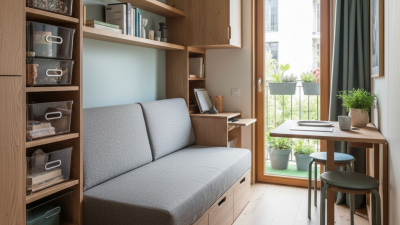
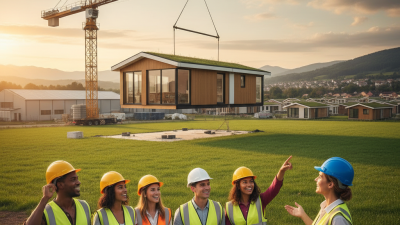
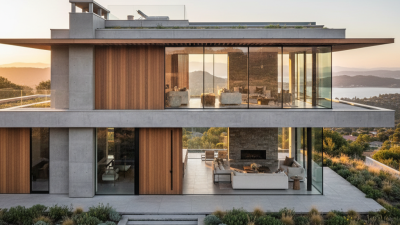
Ultimate Tips for Choosing the Best Living Homes Prefab Options for You
In the rapidly evolving world of sustainable living, "living homes prefab" has emerged as a viable option for those seeking innovative housing solutions. Jonathan Green, a leading figure in the prefab housing industry, once stated, "Choosing the right prefab home is not just about the materials; it's about crafting an environment that reflects your lifestyle and values." As more individuals and families look for cost-effective and environmentally friendly housing, understanding the intricacies of selecting the best living homes prefab options becomes imperative.
The appeal of living homes prefab lies in their flexibility, efficiency, and modern design. These structures are not only quick to erect but can also be tailored to meet the specific needs of their inhabitants. With the option to customize layouts and finishes, aspiring homeowners can create personalized spaces that resonate with their personal tastes. However, the multitude of options available can be overwhelming. Prospective buyers must consider various factors, including size, design, budget, and sustainability when choosing their ideal prefab home.
By delving into essential tips and insights for selecting the best living homes prefab, this guide aims to empower potential homeowners to make informed decisions as they embark on their journey toward a sustainable and fulfilling living environment.
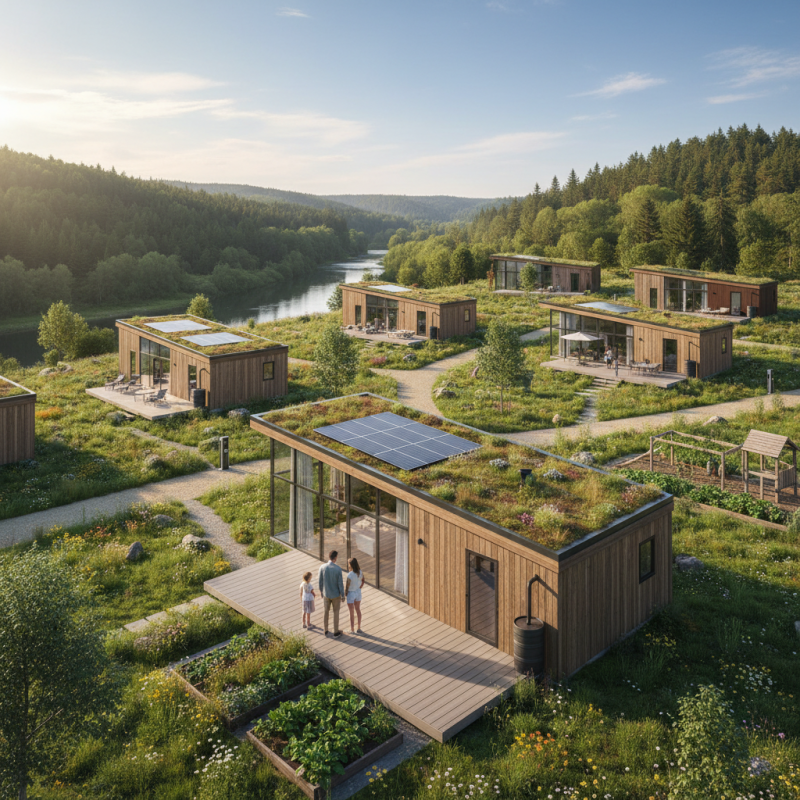
Understanding Prefab Homes: Definition and Types Explained
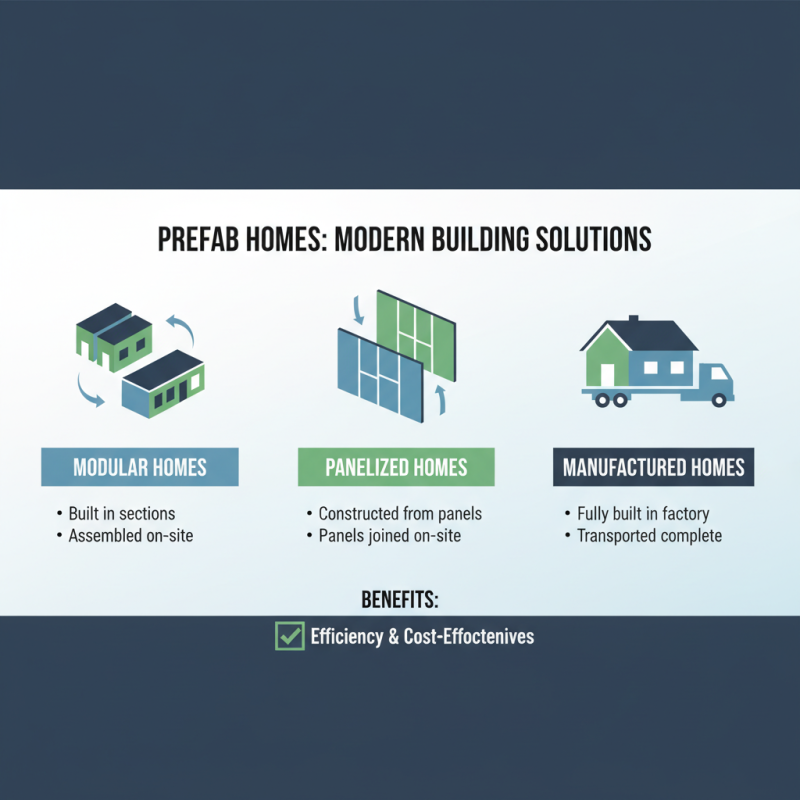
Prefab homes, or prefabricated homes, are structures that are manufactured in sections or modules off-site and then assembled on location. This modern approach to homebuilding has gained popularity due to its efficiency and cost-effectiveness. There are several types of prefab homes, including modular, panelized, and manufactured homes. Modular homes are built in sections that are transported to the building site and assembled, while panelized homes are constructed from large panels that are put together on-site. Manufactured homes, on the other hand, are completely built in a factory and often transported in one piece.
Understanding the types of prefab homes available can help potential homeowners make informed decisions. Modular homes offer customization options and are often indistinguishable from traditional homes once assembled. Panelized homes provide flexibility in design and can be quicker to build due to their pre-cut nature. Manufactured homes, typically pre-fabricated and placed on a permanent foundation, offer affordability and speed but may come with restrictions regarding permanent placement in certain areas. With these options in mind, buyers can better assess their needs and select the right prefab home that fits their lifestyle and budget.
Key Features to Consider When Choosing Prefab Living Options
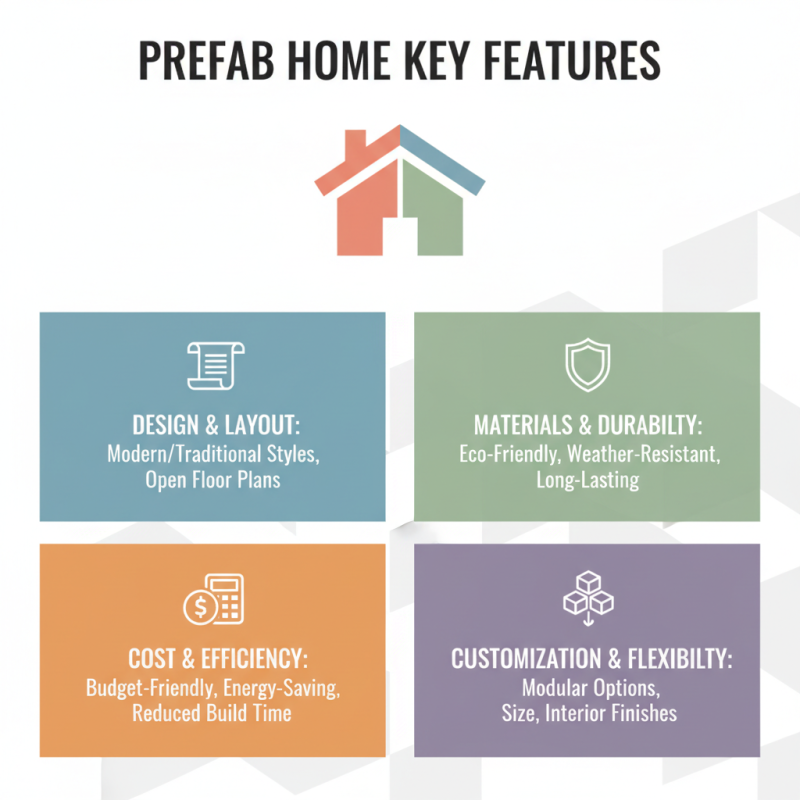
When choosing the best prefab living homes, there are several key features to consider to ensure your new space meets your needs and preferences. First and foremost, evaluate the design and layout options available. Prefab homes come in various styles, whether you prefer a modern aesthetic or something more traditional. Make sure the floor plan aligns with your lifestyle, such as open spaces for entertaining or distinct areas for privacy.
Another important consideration is energy efficiency. Look for prefab options that include energy-efficient insulation and appliances, as this will not only reduce your environmental impact but also result in long-term savings on utility bills. Many modern prefab homes come with sustainable features designed to optimize energy usage, ensuring that your home remains comfortable year-round while being mindful of energy consumption.
Lastly, consider the quality of materials used in the construction of the prefab home. The longevity and durability of your living space depend heavily on the materials selected. Options like durable siding, high-quality windows, and robust roofing can make a significant difference in maintenance and upkeep.
Tip: When visiting model homes or vendors, don't hesitate to ask about the building materials used and their advantages. Understanding the benefits of various materials can help you make an informed decision that suits your needs.
Cost Analysis: Budgeting for Your Prefab Home Investment
When budgeting for a prefab home investment, it’s essential to start with a comprehensive cost analysis that considers all potential expenses. The base price of the prefab structure itself is just the starting point. Homebuyers should also account for land acquisition costs, utility connections, site preparation, and any necessary permits. These additional elements can significantly impact the overall budget, potentially adding thousands to the final price. Understanding these expenses early on helps in planning effectively and avoids financial surprises down the line.
Furthermore, it's wise to include ongoing costs in your financial plan. Monthly expenses such as property taxes, homeowner's insurance, and maintenance should not be overlooked. It's beneficial to estimate these recurring costs to create a well-rounded budget that reflects your true financial commitment. Additionally, consider potential financing options, as different lenders may offer varied terms for prefab homes. Engaging with a financial advisor can also provide insights into the best practices for managing your investment, ensuring that you are fully prepared for both the initial purchase and the long-term responsibilities of homeownership.
Sustainability Factors in Prefabricated Homes: What You Need to Know
When considering prefabricated homes, sustainability should be a top priority.
Prefab homes can significantly reduce waste and carbon emissions compared to traditional building methods. Look for materials that are eco-friendly, such as recycled steel or sustainably sourced wood. Additionally, inquire about the insulation used in the construction; better insulation leads to lower energy consumption, helping you save on utility bills while minimizing your environmental impact.
Tips: When selecting a prefab option, consider homes designed with energy-efficient appliances and systems.
Solar panels and water-efficient fixtures can enhance sustainability and lower your overall resource use.
Furthermore, research the manufacturer's commitment to sustainable practices. A company that prioritizes environmentally responsible production often reflects a higher quality standard, ensuring your home is built to last with minimal environmental footprint.
Another factor to consider is the home's aforementioned ability to blend with its natural surroundings.
Choose designs that promote natural light and airflow, reducing reliance on artificial heating and cooling.
This not only enhances comfort but also allows for a more sustainable lifestyle.
When selecting your living space, evaluate how the design complements local climate conditions for optimal efficiency and comfort.
Comparative Review of Leading Prefab Home Manufacturers and Models
When exploring the world of prefab homes, understanding the comparative strengths and weaknesses of leading manufacturers is crucial. The prefab home market has grown significantly, with residential prefabricated homes expected to reach a market value of $18 billion by 2027, according to a recent industry report. This surge highlights the increasing interest in efficient, sustainable, and cost-effective housing solutions.
Key considerations when reviewing models include construction technology, energy efficiency, and customization options. For example, some manufacturers utilize advanced modular systems that promise quicker assembly times without compromising structural integrity. Additionally, energy-efficient designs are becoming a standard, with data showing that homes built using prefab methods can reduce energy consumption by up to 20% compared to traditional builds.
Furthermore, it is essential to evaluate customer satisfaction and warranty offerings. Consumer reports indicate that many leading prefab home builders maintain high satisfaction ratings, driven by transparency and strong post-sale support. As more home buyers lean towards prefab options, understanding these comparative elements can help you make an informed decision on the perfect living space that aligns with your lifestyle and budget.
Ultimate Tips for Choosing the Best Living Homes Prefab Options for You
| Model Type |
Size (sq ft) |
Price Range |
Bedrooms |
Energy Efficiency Rating |
Customization Options |
| Single Family Home |
1200 |
$150,000 - $200,000 |
3 |
A+ |
Yes |
| Modular Cottage |
800 |
$100,000 - $130,000 |
2 |
B |
Limited |
| Luxury Prefab |
2400 |
$300,000 - $500,000 |
4 |
A++ |
Extensive |
| Tiny Home |
400 |
$50,000 - $80,000 |
1 |
A |
Yes |