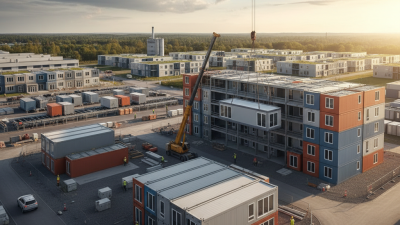
Top 10 Types of Tiny Homes Which Is Best for Global Buyers?
Tiny homes are no longer limited to one cabin style or one buyer profile. They now include park models, modular studios, container conversions, tiny houses on wheels, and compact earth-sheltered designs. Each type solves a different problem. Some prioritize mobility. Others offer stronger insulation, permanent foundations, or better long-term accessibility.
Sarah Susanka, an architect and author known for the Not So Big House movement, once said, “It’s not about living in a smaller house. It’s about living in a better house.” That idea guides this comparison. A 180-square-foot home may feel generous with clever storage, daylight, and a well-planned kitchen. It may feel frustrating when two people share one narrow passage. Details matter. Very much.
For global buyers, the “best” tiny home depends on climate, land availability, transport access, local building rules, utility connections, and budget. A wheeled model may suit a mobile lifestyle, but it can create limits around financing and legal placement. A modular home may offer better stability, yet shipping costs can change the final price sharply. Buyers should verify local requirements with qualified designers, inspectors, and planning professionals before ordering.
This guide examines ten major tiny home types through practical use, construction quality, maintenance, comfort, and international adaptability. The ranking is not absolute. Some judgments remain subjective. A tropical buyer may value ventilation over winter insulation. A retired buyer may reject a loft completely. That is the point: the smallest home is not always the simplest choice.
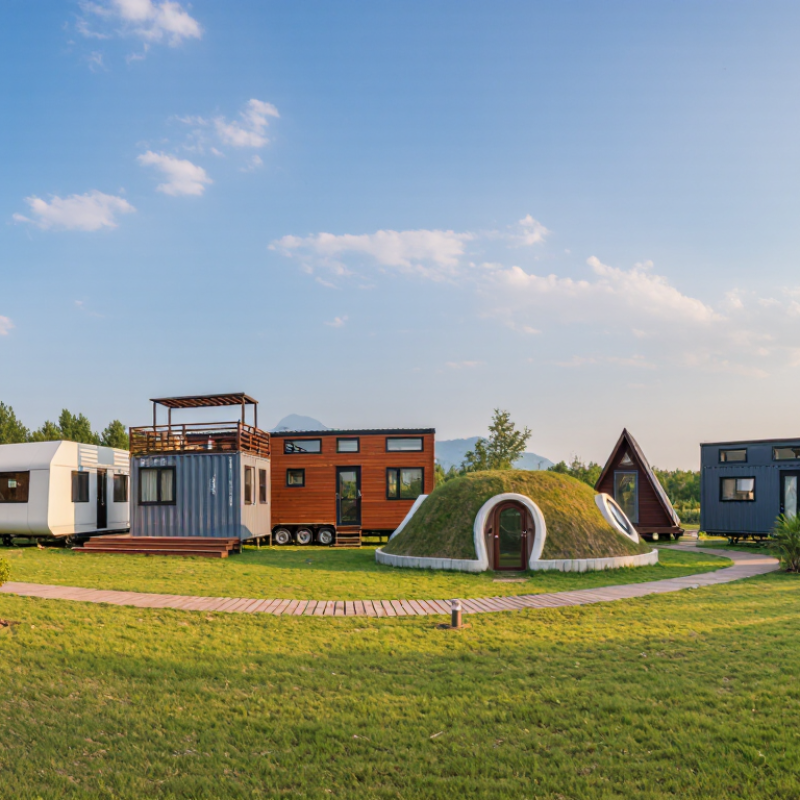
What Defines a Tiny Home and Why Are They Popular Worldwide?
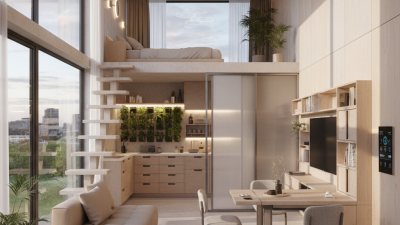
A tiny home is a compact dwelling designed around essential living rather than excess space. Many measure between 10 and 40 square metres, although definitions vary by country. Some are built on permanent foundations, while others use a transportable frame. Their interiors often include a sleeping loft, foldable table, compact kitchen, and storage beneath stairs. Every centimetre has a job.
The ten common types include trailer-based homes, modular units, cabin-style dwellings, and small backyard homes. Their popularity grows for practical reasons. Smaller spaces usually require less heating, cooling, cleaning, and maintenance.
Buyers may also seek lower construction costs, simpler routines, or a closer connection with nature. A sunny window, wood-lined wall, and two-step path to a garden can make limited space feel generous. It can also feel crowded quickly.
Global interest does not mean universal suitability. Local rules may control minimum room sizes, foundations, transport, sanitation, and land use. Buyers should verify permits, insulation standards, utility access, and insurance before paying a deposit.
Climate matters too. A lightweight coastal home needs different protection from a cold mountain dwelling. Poor ventilation can create condensation, even in a beautiful interior. I once viewed compact design mainly as an affordability solution, but that view was incomplete. A tiny home can reduce expenses, yet it may demand careful planning, flexible habits, and uncomfortable compromises.
The 10 Main Types of Tiny Homes for Different Lifestyles
Top 10 Types of Tiny Homes: Which Is Best for Global Buyers?
The best tiny home depends on lifestyle, climate, land access, and local building rules. A compact studio suits solo owners who want simple living and low maintenance. A lofted tiny home adds sleeping space without expanding the footprint. A family tiny home uses foldable tables, bunk beds, and stronger storage planning. It can feel comfortable, but privacy may become limited.
A tiny home on wheels suits buyers who value mobility and temporary placement. A container-style home offers a strong shell, although insulation needs careful attention in hot or cold regions. A cabin tiny home fits rural settings and often uses warm timber interiors. An off-grid tiny home supports remote living with solar power, rainwater systems, and composting toilets. These systems require regular checks. They are not maintenance-free.
A modular tiny home works well for buyers seeking factory-controlled construction and faster assembly. An expandable tiny home can grow with a changing household. A luxury tiny home focuses on refined finishes, larger windows, and efficient kitchens. A backyard tiny home may serve as an office, guest room, or rental unit, subject to local permissions. Buyers should compare transport costs, structural standards, ventilation, and access to repairs. One overlooked detail can be expensive. I would not choose a mobile model for a narrow mountain road without checking turning space first. Practical comfort matters more than impressive floor plans.
How Each Tiny Home Type Compares in Cost, Space, and Mobility
Tiny homes differ sharply in cost, space, and mobility. The ten common types include tiny houses on wheels, park models, modular units, prefabricated cabins, container homes, converted buses, yurts, earth-sheltered homes, micro-apartments, and accessory dwelling units. A 2024 Grand View Research assessment valued the global tiny homes market at several billion US dollars, with continued growth driven by smaller footprints and flexible living. Yet market estimates vary by definition.
A basic yurt or converted container can cost roughly US$20,000–80,000 before land and services. Prefabricated cabins and modular units often range from US$50,000–150,000. Tiny houses on wheels provide stronger mobility, but trailers, towing equipment, and insurance increase ownership costs. Park models offer better interior comfort, though they usually require approved sites.
Micro-apartments and accessory dwelling units use land efficiently, but they are rarely movable. The RV Industry Association’s industry reports show millions of households using recreational vehicles, supporting demand for transportable housing. Mobility is real, but not always practical.
Space changes the daily experience. A yurt may feel open, while a converted bus can create awkward corridors and limited storage. Modular homes usually deliver better insulation and predictable construction quality. Container homes may appear inexpensive, but cutting, reinforcing, and insulating steel can raise the final bill. These figures are imperfect. Local labor, climate, shipping, utilities, and planning rules can change costs dramatically. I would compare total installed cost, not the advertised shell price. Small errors become expensive quickly.
Which Tiny Home Design Fits Different Global Buyers?
Choosing the best tiny home depends less on appearance and more on daily habits, climate, and local requirements. A trailer-based home suits buyers who value mobility, but towing costs and parking rules can become frustrating. A modular tiny home fits families seeking stronger insulation, stable foundations, and a more permanent lifestyle. For remote workers, a loft design with a separate desk area saves space, although steep stairs may not suit older residents.
Tips: Match the home to your climate first. Hot regions need cross-ventilation, shaded windows, and reflective roofing. Cold regions need reliable insulation, moisture control, and efficient heating. Coastal buyers should inspect corrosion protection carefully. Ask for structural drawings, material specifications, and maintenance guidance. Confirm transport access, utility connections, and planning permissions before paying a deposit.
A foldable or movable design may help buyers with changing work locations. However, frequent movement can damage fixtures and increase maintenance. Families may prefer a wider single-level layout, especially when children or mobility concerns are involved. Retirees often benefit from a low-entry floor plan, reachable storage, and a bathroom with turning space. Buyers in dense cities might choose a compact urban module, while rural owners may value a larger porch and storage room. I have found that attractive layouts sometimes hide poor ventilation or limited storage. Measuring furniture, appliances, and walking paths before purchase prevents expensive disappointment.
Key Regulations, Climate Factors, and Buying Considerations by Region
Choosing among the ten main tiny-home types—trailers, park models, modular units, panelized cabins, container homes, dome homes, cabins, accessory dwelling units, earth homes, and floating homes—requires regional research. A movable trailer may suit parts of North America, but permanent foundations often trigger stricter planning rules. In Europe, energy performance certificates and local zoning can affect even very small dwellings. Japan commonly emphasizes earthquake resistance, while Australia requires compliance with its national construction framework. Rules change between cities.
Climate can matter more than floor area. The International Energy Agency reports that buildings account for about 30% of global energy demand and 26% of energy-related emissions. In hot regions, prioritize shaded windows, cross-ventilation, and reflective roofing. Cold climates need continuous insulation, airtight joints, and reliable moisture control. Coastal buyers should check corrosion resistance and flood maps. UN-Habitat’s World Cities Report highlights growing urban pressure, yet land access remains a major cost. A tiny house does not automatically mean an affordable home.
Tips: Request written zoning confirmation before paying a deposit. Ask for structural, fire, electrical, and wastewater documents. Compare transport costs with foundation costs. Inspect a real unit during heavy rain or extreme heat, if possible. A low price can hide expensive site preparation. My screening checklist is useful, but not perfect; local inspectors may interpret rules differently. Also check insurance availability, resale demand, utility connections, and access for emergency services.