
Top 10 Ways to Transform Your House to Home Effectively?
Transforming a house to a home is an art that many strive to master. According to a recent study by the National Association of Realtors, 56% of homeowners believe that design improvements increase their home’s value. However, merely adding decor isn’t enough. A real transformation requires understanding how to cultivate a space that reflects personal identity and comfort.
Creating a home entails more than just aesthetics. The American Psychological Association highlights that a cozy environment can significantly reduce stress levels. It's essential to incorporate elements that foster well-being. Consider your home's layout and furnishings; they should promote both functionality and comfort. Too often, homeowners overlook the emotional connections tied to their space.
Every home tells a story. While many focus on trends, authenticity is key. Personal touches might feel imperfect but embrace the uniqueness they bring. Reflect upon what makes a space truly yours. Despite the pressure to create an ideal atmosphere, remember that a home is about warmth, memories, and individuality, not just visual appeal.
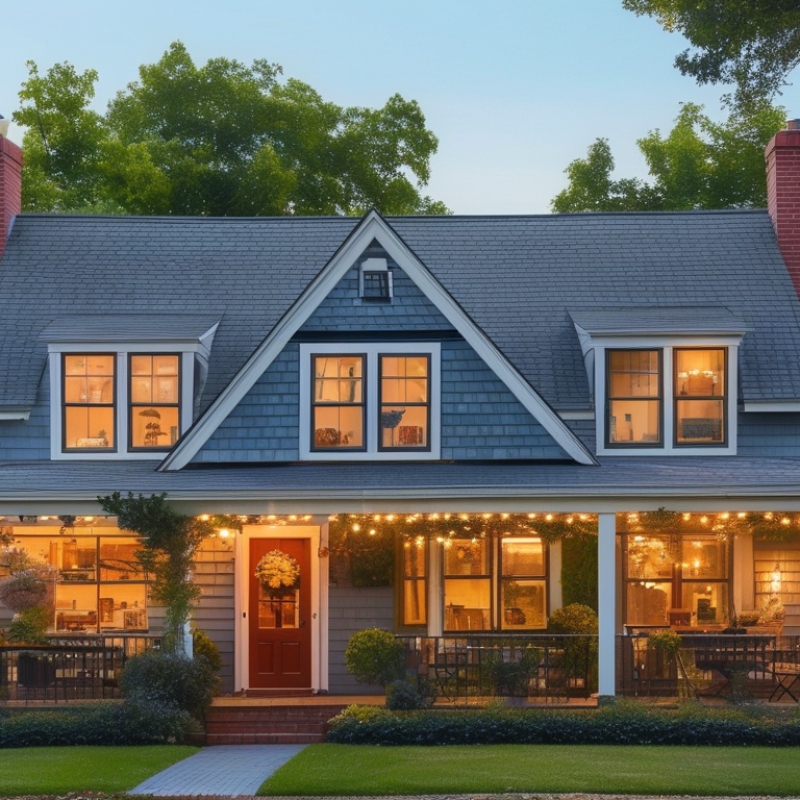
Top 10 Ways to Transform Your House to Home Effectively
Transforming a house into a home requires more than just aesthetics. It's about creating warmth and a sense of belonging. Start by choosing a color palette that resonates with your personality. Soft tones can evoke calmness, while vibrant shades can energize a space. Layer your lighting to create ambiance; consider using warm fairy lights and candles that flicker softly at night.
Incorporating personal touches is crucial. Display photographs of loved ones in quirky frames. Hang art that speaks to your experiences and passions. Use fabrics that are inviting, like plush throws on your couch or textured pillows. These elements will invite conversations and memories.
Consider the layout of your spaces too. Open areas can feel barren; add furniture that encourages gatherings. Reflect on the flow of movement in your home. Sometimes, a minor adjustment can transform a room's entire feel. Lastly, let go of perfectionism. Embrace the process, imperfections included. A truly personalized space grows with you over time.
Top 10 Ways to Transform Your House to Home Effectively
| Method | Description | Impact on Home |
|---|---|---|
| Personal Artwork | Incorporate original art pieces to express individual style. | Creates a unique, personal space. |
| Cozy Textiles | Use blankets, cushions, and rugs to add comfort. | Enhances warmth and inviting atmosphere. |
| Indoor Plants | Add greenery for natural beauty and fresh air. | Promotes well-being and liveliness. |
| Warm Lighting | Utilize soft, warm lights for a cozy ambiance. | Enhances mood and comfort levels. |
| Personalized Decor | Incorporate items that reflect personal experiences. | Creates a sense of belonging. |
| Functional Spaces | Designate areas for specific activities or hobbies. | Enhances usability and personal satisfaction. |
| Color Palettes | Choose a color scheme that resonates with you. | Sets a mood and creates visual harmony. |
| Decluttering | Remove unnecessary items to create space. | Promotes a clear, organized environment. |
| Renovation Projects | Invest in small renovations to improve function. | Increases property value and personal comfort. |
| Family Gatherings | Host regular gatherings to create lasting memories. | Fosters connection and warmth within the home. |
Conclusion
Transforming a house to home involves more than just aesthetic changes; it encompasses emotional and psychological aspects as well. By understanding the emotional impact of home personalization, individuals can create spaces that reflect their identities and foster well-being. Incorporating elements of biophilic design brings nature indoors, promoting a healthier living environment that enhances overall comfort.
Additionally, utilizing smart home technology not only improves security but also increases convenience, making everyday life easier. The strategic use of color psychology can significantly influence mood and energy levels, while opting for sustainable materials in renovation projects contributes to a more environmentally friendly home. Together, these elements work harmoniously to transition a simple structure into a warm, inviting sanctuary that feels truly like home.
Related Posts
-
10 Tips for Designing Your Modern Castle House with Style and Comfort
-
Top 10 Modular Build Solutions for Global Buyers?
-
How to Create Modern Castle Homes for Contemporary Living?
-
Exploring the Top 10 Benefits of Tiny Living for Buyers?
-
What is a Futuristic Home and How Will It Change Our Lives?
-

How to Choose the Perfect House Castle for Your Dream Home?
