...

Why Are Modern Tiny Homes So Popular Worldwide?

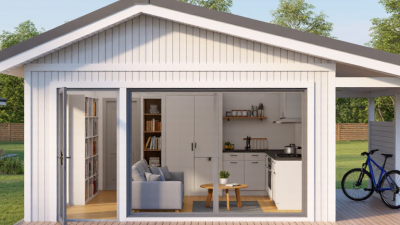
Across crowded cities and quieter rural areas, modern tiny homes have become a visible response to changing ideas about housing. Their appeal is easy to picture: a sunlit loft, a compact kitchen, and fewer rooms to heat, clean, or furnish. For some households, a smaller home may mean lower ongoing costs or greater flexibility. That matters. Yet affordability depends on location, construction quality, utilities, and land—not just floor area.

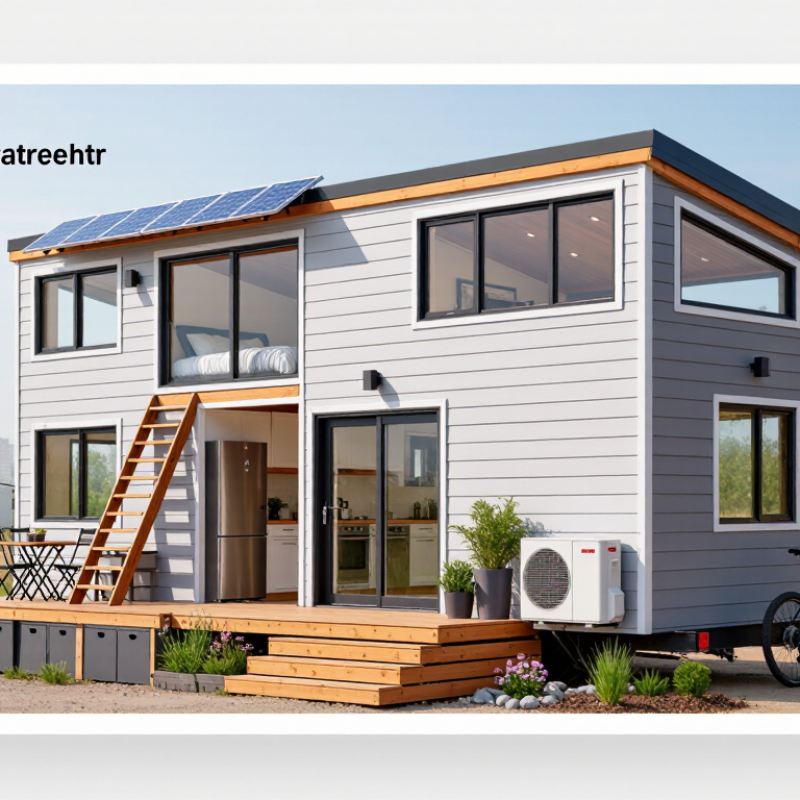
Designers make small spaces work through practical details: built-in storage, foldaway tables, high windows, and layouts that separate sleeping from daily activity. These choices can make a home feel open without adding square footage. Better insulation and efficient appliances may also reduce energy use, though results vary with climate and household habits. Small does not automatically mean sustainable. Materials, transport, maintenance, and access to services all count.

The popularity of modern tiny homes also reflects a wider wish to own less and spend more deliberately. Some people value mobility; others want a simpler home near family, work, or nature. The trade-offs are real. Limited storage can become tiring, privacy may be scarce, and future needs can change. A tiny home is not a universal solution. Its appeal is strongest when thoughtful design meets a clear understanding of daily life, local conditions, and long-term costs. Even then, one question remains: how small is comfortable?
Why Are Modern Tiny Homes So Popular Worldwide?

What Defines a Modern Tiny Home?

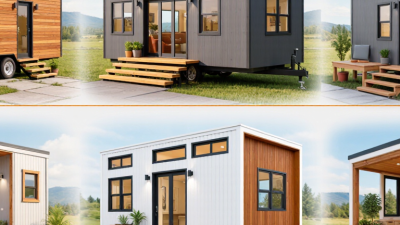
A modern tiny home is a compact dwelling designed to support everyday life with less floor space. There is no single worldwide size limit: definitions differ by country and building standard. The label describes an approach as much as a measurement. A home may be built on a foundation or designed to move; wheels alone do not make it “tiny.”

The defining feature is deliberate use of space. A staircase might hide drawers, a dining table might fold against the wall, and a bed might sit above a work area. Storage needs to be planned, not wished into existence.

Good daylight, ventilation, insulation, and practical bathroom and kitchen layouts matter as much as clever furniture. Small rooms can feel calm, but poor airflow or a dark interior can make them feel cramped. Space has limits.

Modern design also means fitting the home to its occupants and setting. A layout suited to a mild climate may need different insulation and heating in a cold region. Water, power, and waste systems vary too, depending on whether the home is connected to services.

Loft beds save room, but narrow stairs can become tiring or awkward. That trade-off is easy to overlook in a drawing.

A well-designed tiny home is not simply a miniature version of a larger house; it is a set of choices about comfort, access, and what people are willing to do without.

How Tiny Homes Became a Global Housing Option

Modern tiny homes have moved beyond a niche lifestyle because housing needs are changing. The UN’s World Urbanization Prospects 2018 projects that 68% of the world’s population will live in urban areas by 2050. In crowded cities and rural regions with limited services, a smaller, adaptable home can offer another way to use scarce land. It is not a universal fix. Still, the idea travels well.

Tiny homes became a global housing option as design and construction methods evolved. Factory-built modules, fold-out furniture, and loft beds can make a compact footprint feel more usable. Some owners choose them for lower space needs; others use them as secondary homes or small rental units. The economics vary sharply by land prices, utilities, transport, and local building rules. Small does not always mean cheap. Nor is compact living automatically sustainable: the International Energy Agency’s Global Status Report for Buildings and Construction 2022 found buildings accounted for 34% of global energy demand. A tiny home’s actual impact still depends on materials, insulation, and energy use.

Tips: Before choosing a layout, mark the door swing, storage, and walking path on the floor with tape. Check local requirements early, and test whether daily routines fit. A clever loft may look good on paper, but climbing into bed every night can wear thin.

Which Economic and Social Factors Drive Their Popularity?

Modern tiny homes attract attention because housing costs have outpaced many household budgets. A smaller home may require less money to build, heat, cool, and maintain. For a couple working remotely, one compact room can replace a costly second bedroom. Every shelf matters.

Yet the purchase price is only part of the calculation. Land, utility connections, transport, and upkeep can add substantial costs. In some areas, financing or insurance may also be harder to arrange than for a conventional house. A tiny home is not automatically a cheap home. Local prices and planning rules shape the real cost, so buyers need to compare total expenses, not just floor area.

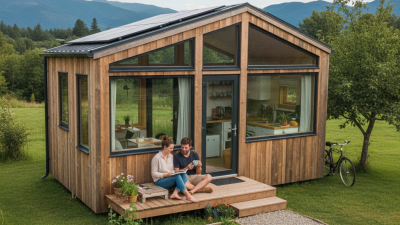
Social changes matter, too. Some people want less clutter and more time outdoors; others value mobility or a smaller environmental footprint. A tiny home can make those priorities visible, with a fold-down table and carefully chosen storage replacing spare rooms. Still, living close together can test relationships, and limited space may not suit children, remote work, or changing mobility needs. The appeal is real, but so are the trade-offs. Across countries, popularity reflects different pressures: high urban rents in one place, simpler living in another.

How Design and Technology Make Small Spaces Livable

A tiny home feels livable when every surface earns its place. Built-in benches can hide storage, while a fold-down table creates room for meals and work. Keep the path from the entrance to the bed clear. It matters. A compact kitchen also needs usable counter space, not just sleek cabinets. Even a narrow shelf beside the sink can hold daily essentials without crowding the room.

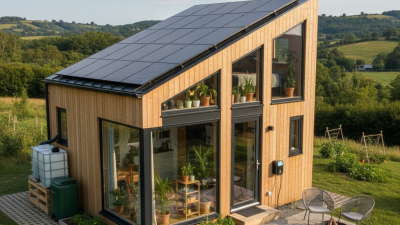
Good technology supports these choices rather than trying to replace them. LED task lights make cooking and reading easier, and independently controlled zones avoid lighting the whole room at night. Quiet ventilation helps manage moisture from showers and cooking, especially when windows stay closed. A well-placed thermostat and efficient appliances may reduce energy use, though results depend on the home’s insulation, climate, and habits. Simple controls are often best. A complicated system can become one more thing to maintain. Solar panels may suit some homes, but roof area, shade, and local conditions affect their usefulness. Tiny living still involves trade-offs: a clever storage wall cannot make a cramped doorway comfortable, and flexible furniture takes effort to reset each day. That detail is easy to underestimate.

Why Compact Living Is Gaining Relevance

The share of people living in urban areas is growing, making efficient use of residential space increasingly important.

Compact layouts, flexible furniture, natural light and space-saving technology can help make smaller homes more comfortable and functional. 2050 is a projection, not an observed value.

Sources: World Bank, Urban population (% of total population), 2020; UN DESA, World Urbanization Prospects: The 2018 Revision, 2050 projection.

How Tiny Homes Relate to Housing Policy and Sustainability

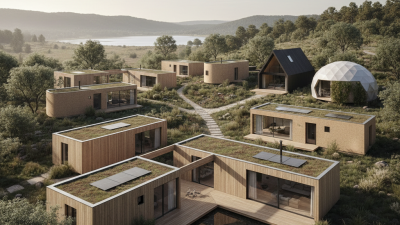
Tiny homes are often presented as an answer to rising housing costs, but their impact depends on more than their size. Local planning rules shape whether a small dwelling can be placed on a serviced lot, connected to water, or occupied year-round. Clear, flexible standards can make room for compact homes without compromising safe access, sanitation, or fire protection. Details matter.

Housing policy also determines who benefits. If land remains expensive and permits are difficult to obtain, a tiny home may be affordable to build but not to own. Some municipalities are exploring small units on existing residential lots or near public transport. These approaches can add housing without pushing residents far from jobs and services. Still, tiny homes are not a substitute for broader affordable-housing programs.

Their sustainability is equally practical. A smaller floor area usually needs less material and less energy to heat, especially with good insulation and well-placed windows. Yet a home on a remote plot can require long car trips and new utility lines. That weakens its environmental case. The trade-offs are easy to miss. I also think tiny-home discussions sometimes romanticize minimal living; cramped storage and limited privacy can become real burdens. Good policy should consider daily use, not just appealing floor plans.

Why Are Modern Tiny Homes So Popular Worldwide? — Housing Policy and Sustainability

Selected housing, policy, and sustainability indicators help explain the conditions behind interest in tiny homes. The figures below provide context; they do not measure tiny-home adoption or prove that tiny homes alone solve housing or environmental challenges.

Dimension Verified indicator or policy fact Relevance to tiny homes Source
Compact-home definition The 2018 International Residential Code’s Appendix Q covers tiny houses with a floor area of 400 square feet (about 37 m²) or less, excluding lofts. This provides a recognizable building-code reference, although local rules and adopted code editions differ. International Residential Code, Appendix Q
Urbanization The United Nations estimated that 55% of the world’s population lived in urban areas in 2018 and projected that share to reach 68% by 2050. Growing urban populations increase pressure on housing, land, infrastructure, and transport—issues that make compact living appealing to some households. United Nations, World Urbanization Prospects
Housing affordability in the United States In 2022, 22.4 million U.S. renter households spent more than 30% of their income on rent and utilities, the standard cost-burden threshold used in the report. Lower purchase or rental costs can be a motivation for downsizing, but the total cost depends on land, utilities, financing, permits, and construction. Harvard Joint Center for Housing Studies, State of the Nation’s Housing 2024
Housing conditions in the European Union Eurostat reported that 16.8% of the EU population lived in overcrowded households in 2023. The figure highlights housing-space pressures, but a tiny home is not automatically suitable for every household or a substitute for adequate housing standards. Eurostat, Housing in Europe
Building-sector climate impact Buildings and construction accounted for about 37% of global energy- and process-related carbon dioxide emissions in 2022, according to the Global Status Report for Buildings and Construction. A smaller dwelling can require fewer materials and less energy to operate, but actual emissions vary with design, materials, climate, energy supply, and occupant behavior. UN Environment Programme and GlobalABC, 2023 Global Status Report
Local planning and building rules Tiny-home requirements are not uniform worldwide. Rules may differ for minimum dwelling size, foundations, road access, utilities, land use, and whether a unit is treated as a permanent home or a recreational vehicle. Permitting and zoning can determine whether a tiny home is legally usable as a primary residence, even when the building itself meets safety requirements. OECD, Housing Policy Resources
Potential sustainability benefits Smaller floor area can reduce the amount of space that must be heated, cooled, furnished, and maintained; the size of any benefit depends on the home’s full life cycle and how it is used. Energy-efficient design, durable low-impact materials, access to public transport, and connection to existing services are important alongside compact size. UN Environment Programme, Buildings and Construction Resources

Interpretation: Tiny homes attract interest through the promise of a smaller living footprint and potentially lower costs, while housing shortages, affordability pressures, sustainability goals, and local policy shape where they can work in practice.

Seraphinite AcceleratorOptimized by Seraphinite Accelerator
Turns on site high speed to be attractive for people and search engines.