Why Choose Modular Build for Your Next Construction Project?
In recent years, the construction industry has seen a significant shift towards modular build techniques. According to a report by McKinsey & Company, modular construction can reduce project timelines by up to 50%. This efficiency is appealing, especially in a market where time-to-completion is critical. Modular builds offer a controlled environment that minimizes weather-related delays, which often plague traditional construction projects.
Moreover, the National Institute of Standards and Technology (NIST) reports that modular construction can achieve a reduction in waste by up to 60%. This is vital as sustainability becomes a pressing concern. However, despite these advantages, many still hesitate. Misconceptions about modular build quality persist. Some fear that prefabricated components may not offer the same durability as traditional builds. These points warrant reflection and scrutiny, considering the proven advancements in modular technology.
As we delve into the many benefits of modular build, it's essential to confront these challenges. While modular construction presents multiple advantages, understanding the nuances is equally important. This balanced view can help stakeholders make informed decisions for their next project.
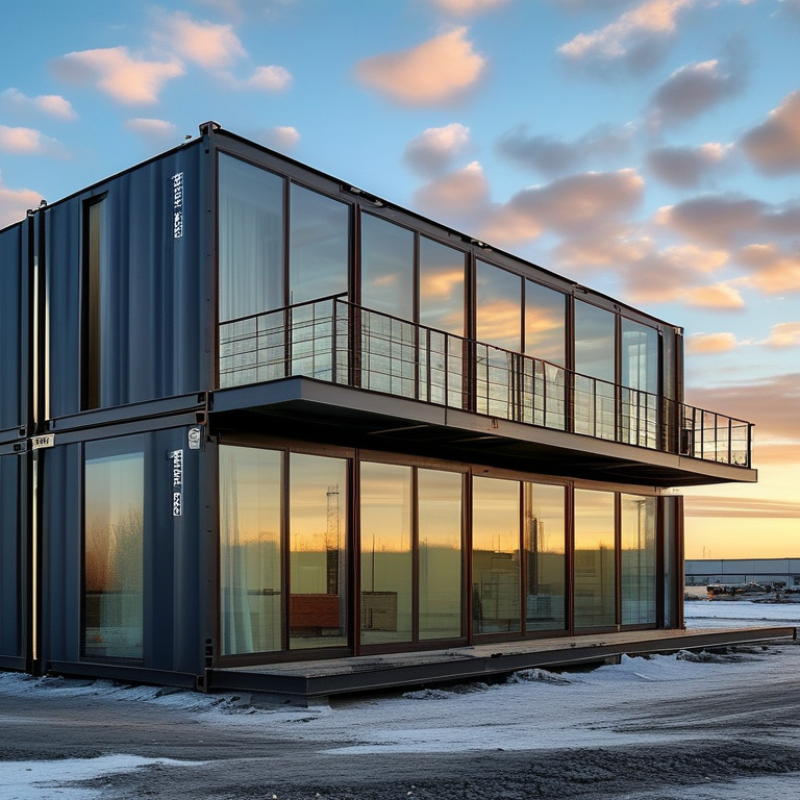
Advantages of Modular Construction Compared to Traditional Methods
Modular construction is gaining attention for its efficiency and cost-effectiveness. One significant advantage is speed. Traditional builds can take months or even years to complete. In contrast, modules are constructed off-site concurrently with site preparation. This overlap drastically reduces the total project timeline. As a result, owners can occupy their buildings much sooner, reaping benefits faster.
Another key advantage lies in cost predictability. With modular construction, budgets are often more straightforward. Material waste is minimized as modules are built in controlled environments. This precision leads to fewer unexpected expenses. Moreover, the shorter time frame often translates to lower labor costs. However, it’s important to note that not all projects are suited for this method. Variability in local regulations and site conditions can pose challenges. Contractors must adapt their plans accordingly.
Additionally, modular builds offer flexibility. They can be easily expanded or modified. This adaptability addresses changing needs over time. Yet, there are concerns about quality. Some believe off-site construction may sacrifice craftsmanship. Careful selection of a reputable builder is crucial. Investing in experienced professionals ensures that high standards are maintained throughout the modular process.
Cost Efficiency in Modular Building Projects
When considering modular building for your next project, cost efficiency is a major advantage. Modular construction often reduces labor costs due to faster assembly times. With components pre-fabricated in a factory, on-site construction time decreases significantly. This leads to fewer labor hours and lower overall expenses.
Material waste is another factor to consider. Modular buildings are designed with precision, which reduces excess materials. A thoughtful design can lead to more sustainable practices, saving you money in the long run. Utilizing eco-friendly options can also be a cost saver. Many sustainable materials are increasingly affordable, making them accessible for projects of all sizes.
Here are some practical tips: Focus on designs that leverage standard modules. Avoid overly complex layouts; simple shapes cut costs. Be realistic about timelines—unforeseen delays can inflate your budget. Always work with experienced professionals who understand modular processes. Their insight can prevent budget overruns and improve efficiency.
Investing in modular buildings can yield significant savings. The key is to plan meticulously, balance innovation with practicality, and reflect on past project experiences. Embracing these practices can enhance cost efficiency while creating durable, functional spaces.
Cost Efficiency in Modular Building Projects
Speed of Construction: How Modular Buildings Save Time
Modular construction has gained attention for its speed. In many cases, modular buildings can be completed in half the time of traditional construction methods. According to a report from McKinsey & Company, modular projects can reduce construction time by 20 to 50 percent. This efficiency arises from simultaneous site preparation and module construction in factories.
Additionally, modular buildings face fewer delays due to weather. A study by the National Institute of Standards and Technology found that up to 30% of delays in traditional building projects are weather-related. Modular construction mitigates this risk by moving a significant portion of the work indoors, leading to more consistent timelines.
However, modular projects are not without challenges. Coordination between factory production and on-site assembly can be complex. There can be setbacks in transporting large modules. Understanding these potential issues is vital for successful project management. Despite these imperfections, the speed advantage of modular construction often outweighs the drawbacks, making it an appealing choice for many developers.
Why Choose Modular Build for Your Next Construction Project? - Speed of Construction: How Modular Buildings Save Time
| Construction Phase |
Traditional Build Time (Weeks) |
Modular Build Time (Weeks) |
Time Savings (Weeks) |
Percentage Time Saved (%) |
| Site Preparation |
4 |
2 |
2 |
50% |
| Modular Construction |
12 |
6 |
6 |
50% |
| Finishing Touches |
3 |
1 |
2 |
66.67% |
| Total Project Duration |
19 |
9 |
10 |
52.63% |
Sustainability and Environmental Benefits of Modular Design
Modular construction has gained traction for its sustainability benefits. The modular approach allows for reduced waste generation. According to a report by McGraw Hill, modular building can decrease construction waste by up to 90%. This is primarily due to the factory-controlled environment. Recycling and reusing materials become easier, resulting in lower environmental impact.
Energy efficiency is another significant advantage. Buildings made with modular techniques often consume 30% less energy than traditional structures. A study from the National Institute of Standards and Technology illustrates how modular designs optimize insulation and reduce energy costs. This efficiency translates directly to lower carbon footprints.
However, there are challenges. Not all modular designs are equally sustainable. Some projects prioritize speed over eco-friendly materials. It’s vital to assess material choices and construction practices carefully. Striking a balance between rapid deployment and environmental responsibility remains essential for truly sustainable modular construction.
Flexibility and Customization in Modular Construction Solutions
Modular construction offers a range of benefits that highlight its flexibility and customization. One of the key advantages is the ability to tailor designs to meet specific needs. This means clients can choose layouts, materials, and finishes that reflect their unique vision. It encourages creativity in design, allowing for personalized spaces that traditional methods may struggle to accommodate.
Customization goes beyond aesthetics. Modular solutions can easily adapt to varying site conditions. If the ground is uneven or space is limited, modular components can be engineered to fit perfectly. This adaptability often leads to reduced construction time and costs. However, it is crucial to closely collaborate with designers and builders. Gaps in communication may affect the final product’s realization.
Moreover, while modular construction enhances efficiency, it may still come with challenges. For instance, local regulations can impact design flexibility. Adapting to building codes might narrow some creative options. It's vital to approach these projects with a willingness to explore innovative solutions, even if it means reassessing initial designs. Embracing the potential for adjustments can lead to an authentic and functional end result.