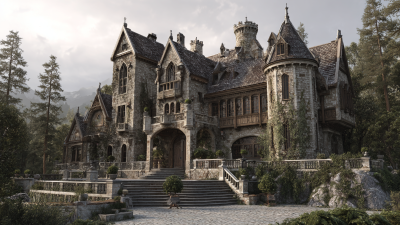
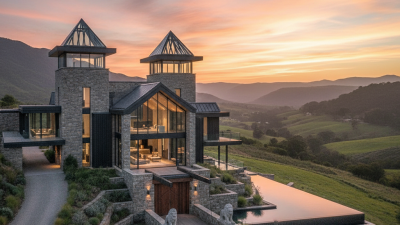
Modern castle homes combine the drama of historic architecture with the practical needs of contemporary living. Their appeal is easy to picture: a stone entrance, tall windows, a steep roofline, and warm light falling across a modern kitchen. The style feels substantial. It also offers a sense of privacy and permanence that many buyers value. Frank Lloyd Wright, the American architect, wrote, “The mother art is architecture. Without an architecture of our own we have no soul of our own civilization.” His words speak to architecture’s cultural weight, though they do not specifically address castle-inspired houses. That distinction matters.
A well-designed modern castle home is more than a dramatic façade. It needs thoughtful planning, comfortable daylight, efficient heating, and materials suited to its local climate. A narrow tower may look striking, but it can be awkward to furnish. Stone can feel timeless, yet it requires careful selection and upkeep. Details matter. Buyers are drawn to the contrast: old-world character outside, open plans and modern amenities within. Still, popularity does not make every design successful. Some homes lean too heavily on turrets and ornament, leaving daily function behind. That is a real risk. The strongest examples balance atmosphere with usability, and ambition with restraint. This introduction explores why modern castle homes attract attention, what features shape their appeal, and where thoughtful design makes the difference.
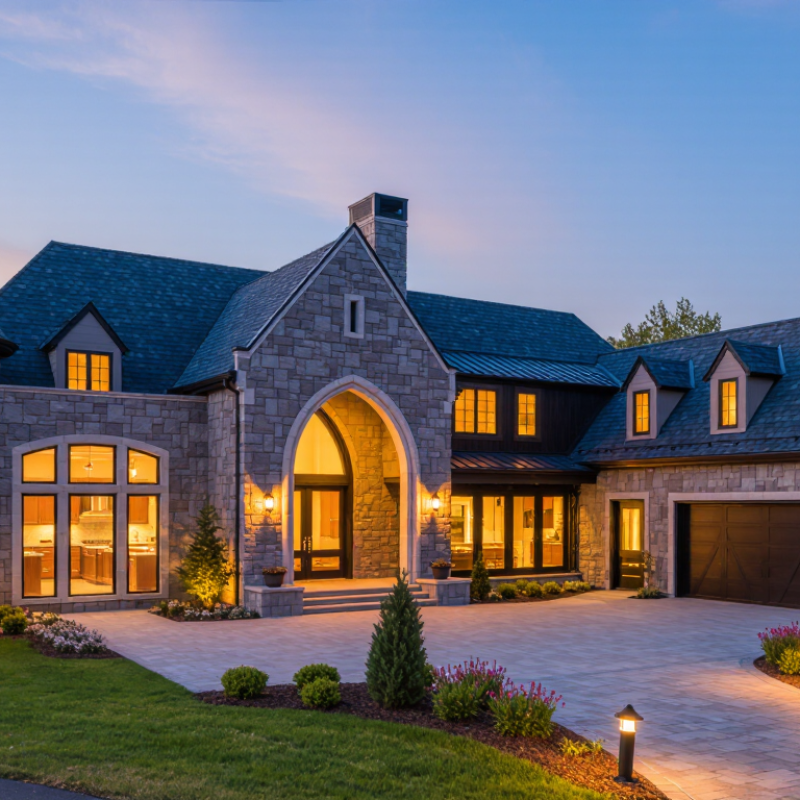
A modern castle home borrows medieval forms without copying medieval living conditions. Think steep roofs, pointed arches, a tower-like corner, or textured stone. Then look closer: clean window frames, brighter interiors, and practical room layouts make the house work for daily life. There is no single technical standard for the style. The details vary.
Good design connects the dramatic exterior to performance. Deep roof overhangs can help shelter walls; carefully placed windows bring in daylight without making every room feel exposed. Insulation, airtight construction, and well-planned drainage matter more than decorative battlements. That distinction matters. The U.N. Environment Programme’s 2023 Global Status Report for Buildings and Construction estimates that buildings and construction produced 37% of energy- and process-related carbon dioxide emissions in 2022. The figure covers the sector, not castle-style homes specifically, but it underscores why materials and energy use deserve attention.
Inside, the plan should feel comfortable, not cavernous: a quiet reading nook beneath a tower roof, a useful mudroom near the entrance, and sightlines that let daylight reach shared spaces. Stone veneer can suggest an old fortress, yet poor detailing may look theatrical or invite moisture problems. A little restraint helps. The best modern castle homes balance recognizable architectural cues with durable materials, efficient systems, and rooms people actually use.
Castle-inspired homes borrow visual cues from historic strongholds, such as towers, substantial-looking walls, and dramatic rooflines. This chart compares the approximate construction spans of four historic castles whose forms continue to inspire castle-style architecture.
Construction spans are approximate calendar years, calculated from commonly cited start and end dates; they are historical examples, not measurements of modern-home popularity. Sources: Historic Royal Palaces, UNESCO World Heritage Centre, and the Bavarian Palace Administration.
In a modern home, castle character is usually reinterpreted with contemporary comfort and practical layouts rather than medieval defensive systems.
Modern castle homes retain the visual drama of towers, stone walls, and arched entries, but their plans are usually more flexible. Kitchens may open onto shared living rooms, while bedrooms sit away from busy gathering spaces. The result feels historic outside and practical on an ordinary Tuesday. Small details matter.
Adapting these homes takes careful engineering. Deep masonry can moderate temperature, yet it may also trap moisture or leave rooms dim. Designers often pair stone with insulation, drainage layers, and thoughtfully placed windows. Modern heating, ventilation, and plumbing can run through service zones, making repairs easier without disturbing prominent walls. Some homes use stone cladding rather than load-bearing masonry; the difference matters for performance and upkeep.
Access matters. A tower stair may look convincing, but it is a difficult route to a bedroom every day. Lifts, wider doors, and ground-floor bathrooms can make the layout usable across ages. Courtyards bring daylight into deep plans, though they need shade and drainage to remain comfortable. Not every historic detail earns its place. A narrow slit window may photograph beautifully, but living beside it can feel cramped. A broad window with a built-in bench may serve residents better.
| Design Feature | Historic Purpose | Modern Adaptation | Why It Appeals to Homeowners | Practical Consideration |
|---|---|---|---|---|
| Towers and turrets | Provided elevated viewpoints and helped create defensible positions in some castles. | Often used for staircases, reading rooms, home offices, or distinctive architectural accents. | Creates a memorable silhouette and offers unusual rooms with elevated views. | Curved or compact spaces can be harder to furnish and may require custom-built features. |
| Stone exterior walls | Thick masonry was commonly used for strength and protection. | Modern homes may use stone cladding, reinforced masonry, or contemporary wall assemblies with insulation. | Stone gives a sense of permanence and connects the home to historic architecture. | Stone construction can be costly; insulation, moisture control, and structural design need careful planning. |
| Arched doorways and windows | Arches helped distribute loads in masonry construction and became a recognizable architectural feature. | Arched openings are paired with modern glazing, secure doors, and current building systems. | Adds visual character while allowing contemporary comfort and functionality. | Custom-shaped windows and doors may cost more than standard rectangular units. |
| Courtyards | Enclosed courtyards offered sheltered outdoor space within castle walls. | Designed as private gardens, patios, or outdoor living areas connected to interior rooms. | Provides outdoor space with a sense of privacy and enclosure. | Drainage, sunlight, and access should be considered early in the site and floor-plan design. |
| Parapets and battlements | Parapets provided protection along walls and towers; crenellations were associated with defensive architecture. | Used mainly as decorative roofline details or as safety barriers where permitted by building codes. | Creates a distinctive castle-like profile without requiring a historically defensive building. | Any roof terrace or elevated edge needs compliant guardrails and weather-resistant detailing. |
| Large halls and open interiors | Great halls served as central spaces for gatherings, dining, and formal activities. | Open-plan living and dining areas echo the spaciousness while accommodating modern kitchens and utilities. | Supports entertaining and gives the home a dramatic sense of scale. | Large rooms can be more challenging to heat, cool, and furnish than smaller spaces. |
| Modern building services | Historic castles relied on fireplaces, limited daylight, and basic water and sanitation arrangements. | Heating, cooling, plumbing, electrical systems, insulation, and high-performance glazing are integrated into the design. | Combines historic visual references with everyday comfort and convenience. | Services should be coordinated with the structure and finishes, especially in homes with extensive stonework. |
| Distinctive, non-standard layouts | Castle plans were shaped by site, defensive needs, and construction over time. | Modern plans borrow features such as towers, courtyards, and varied room shapes while organizing spaces around contemporary needs. | Offers individuality and a stronger sense of place than many conventional house designs. | Unusual layouts benefit from detailed planning for circulation, accessibility, storage, and future maintenance. |
Modern castle homes pair dramatic forms with rooms that feel usable, not theatrical. A steep roof, stone-textured walls, and a recessed entry create depth before anyone reaches the front door. Inside, arched openings soften transitions, while exposed timber or a single vaulted ceiling adds character without turning every room into a hall. Scale matters. Oversized details can make ordinary furniture feel oddly small.
Their strongest feature is often the balance between old-world texture and present-day light. Tall windows brighten deep rooms, and a courtyard or sheltered terrace gives the house a quieter outdoor space. The U.S. Department of Energy estimates that windows account for 25–30% of residential heating and cooling energy use. That makes glazing choices important: insulated glass, thoughtful orientation, and exterior shade can keep a grand window from becoming an energy liability. The view should earn its place.
The floor plan also matters. Modern households need practical storage, flexible work areas, and service rooms near daily routes. The National Association of Home Builders’ 2024 What Home Buyers Really Want survey found that 87% of respondents considered a laundry room essential or desirable. A castle-inspired home can hide laundry and utilities behind paneled doors, preserving calm public rooms. Yet not every detail earns its keep. A narrow turret may look charming but offer little usable space, so designers should test its light, furniture fit, and circulation before drawing it in.
Modern castle homes attract buyers with familiar stone walls and towers, but daily comfort makes the style livable. Deep window seats can frame a garden without making rooms feel cold. Underfloor heating, discreet insulation, and well-sealed windows help soften the drafty reputation of historic forms. Comfort is practical, not merely decorative.
The U.S. Energy Information Administration’s 2020 Residential Energy Consumption Survey found that space heating used about 42% of household energy. That figure helps explain why insulation and efficient heating matter in homes with tall rooms and extensive masonry. The National Association of Home Builders’ 2024 What Home Buyers Really Want survey also found that 86% of buyers considered Energy Star-rated windows essential or desirable. Survey preferences are not guarantees; climate and installation quality matter.
Modern layouts add another draw. A compact lift, step-free ground-floor suite, and bright kitchen can make a castle-inspired home easier to use across generations. Smart controls can adjust heating room by room, while modern plumbing brings reliable hot water to a stone-built setting. Still, thick walls may complicate wireless coverage, and bespoke repairs can be costly. That trade-off is easy to overlook. A little romance, a little maintenance.
Modern castle homes attract buyers for more than their dramatic towers and stone façades. Their appeal often comes down to practical details: thick walls can soften outdoor noise, while compact layouts may create a sense of privacy. Deep window frames, sheltered entrances, and enclosed courtyards can also make outdoor spaces more usable in windy or rainy weather. Still, these benefits depend on the design and local climate. A stone exterior alone does not guarantee comfort.
Tips: Visit at different times of day. Notice how sunlight reaches the rooms and whether narrow windows leave living spaces dim. Check storage, stairways, and access to upper floors. Measure furniture before committing; unusual room shapes can make even a large home awkward to furnish. Small details matter.
Maintenance and running costs deserve equal attention. Stonework, steep roofs, custom windows, and elaborate drainage can require specialized repairs. Ask for inspection records and realistic estimates, not just attractive renovation photos. Honestly, the castle look can distract buyers from ordinary concerns like heating, parking, and daily cleaning. That is easy to overlook. A home may feel magical during a viewing, then less convenient on a wet Monday morning. Buyers should weigh its character against the routines they actually have.