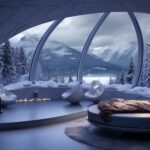
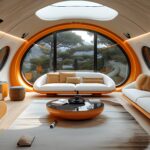
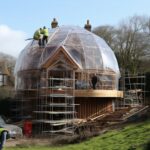
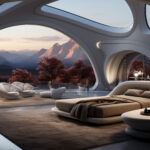
Picture this: you’re stepping onto the deck of a sleek dome framed by towering pines. You grab your coffee thermos and spot mist rising above the valley floor. It doesn’t feel like roughing it. That’s the magic of dome house camping resorts. You get the thrill of nature without sacrificing comfort. You’ll discover why geodesic glamping domes are booming. You’ll get practical tips on planning, building, and marketing to get started.
Understanding dome house camping resorts
Dome house camping resorts blend the rugged appeal of the outdoors with modern amenities, using curved structures that withstand wind, rain, and seismic stress. Think of them as upscale cabins under a futuristic shell. Guests trade traditional tents for panoramic windows, plush bedding, and private bathrooms, all framed by nature.
You might be surprised to learn that the term glamping (glamorous camping) first popped up in the UK around 2005 and landed in the Oxford English Dictionary in 2016. Since then, demand has skyrocketed. Industry reports predict the global glamping market will hit $4.1 billion by 2028, growing at about 12.5% annually. That translates into a real opportunity if you’re looking to diversify your portfolio or launch a stand-alone retreat.
Industry trends and drivers
Several factors are fueling the shift toward geodesic camping lodges:
- The desire for safe, private getaways post-pandemic
- A craving for Instagram-worthy stays that feel authentic
- Growing interest in eco-tourism and sustainable travel
Travellers now expect more than a mattress on the ground. They want curated experiences—stargazing through a glass dome, private fire pits, and on-site adventure tours. A Catskills resort saw bookings jump 50% after adding glamping domes, proof that novelty still drives revenue.
Exploring structural types
Picking the right shell sets the tone for your resort. Here’s a quick look at three popular options:
| Structure type | Primary material | Installation time | Key benefit |
|---|---|---|---|
| Fabric geodesic domes | Polyester fabric, aluminum | Under 1 day | Cost-effective, windproof |
| Hybrid glass domes | Tempered glass, PVC, metal | 2–3 days | Panoramic views, insulation |
| bahria homes-style domes | Wood-aluminum composite | ~3 days | Modular, eco-friendly |
Fabric geodesic domes
These classic dome tents use a lightweight fabric stretched over a network of aluminum poles. They’re the most affordable choice, easy to ship in a standard container, and can be assembled by one or two people in hours. You get solid wind resistance and a reliable structure that keeps guests cozy in most climates.
Hybrid glass domes
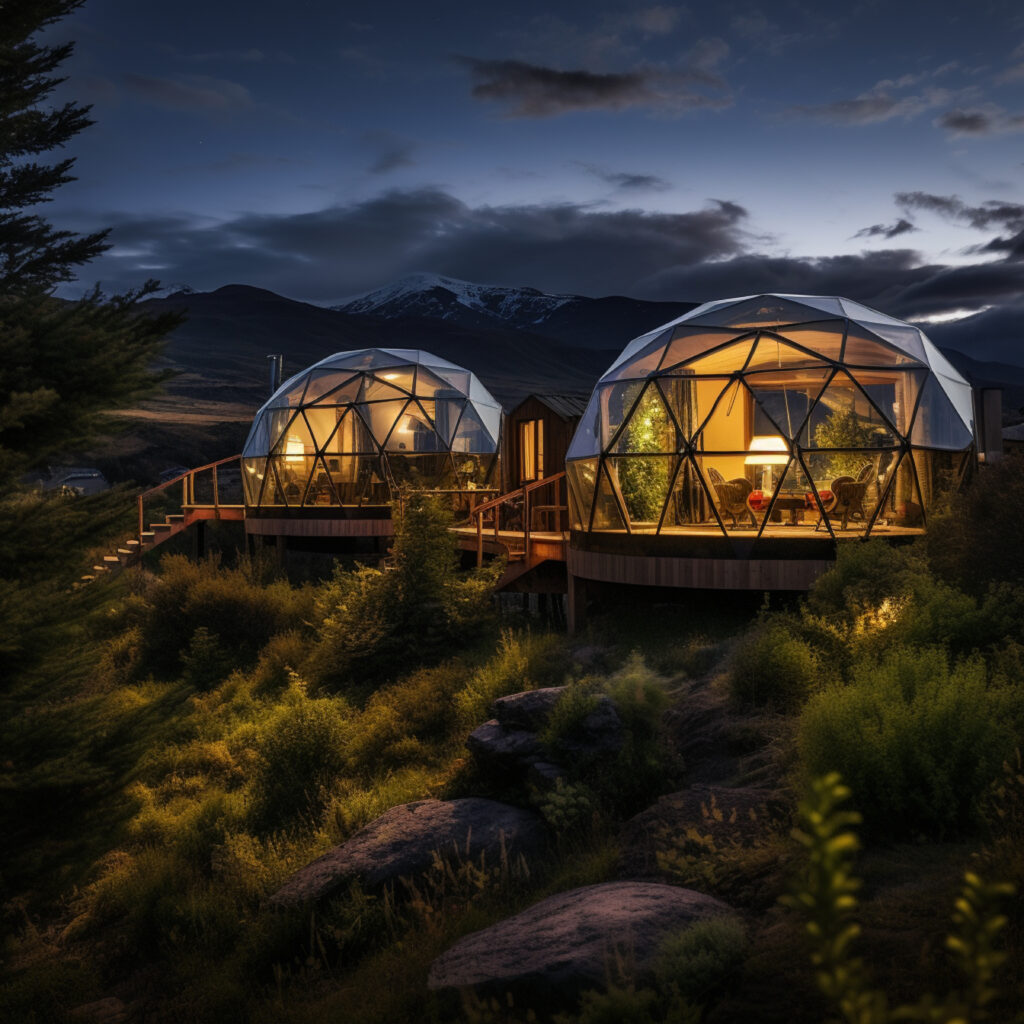
If you’re aiming for a wow factor, tempered glass panels combined with PVC and metal framing deliver transparency and strength. Resorts like the Memories Aicha Luxury Camp in Jordan use reflective geodomes to create a Mars-like vibe, complete with air conditioning and plush bedding. These domes cost more up front, but the payoff is an immersive guest experience and higher nightly rates.
bahria homes-style domes
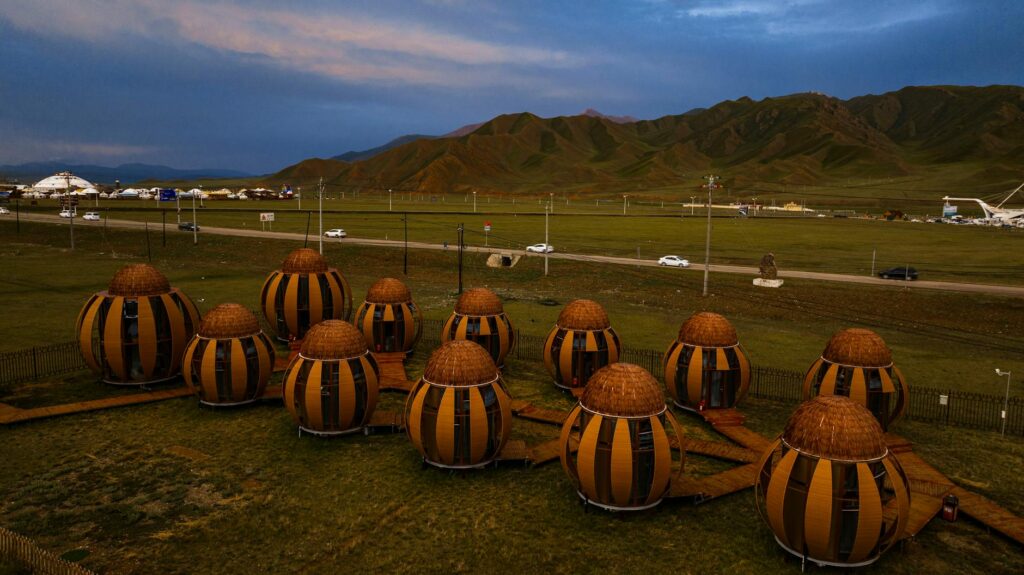
Modular pod designs—often called “space capsules”—blend solid wood interiors with aluminum exteriors. Brands in this space tout zero construction waste, all-terrain installation, and plug-and-play assembly in about three days. You’ll find single or double deck options, each with 360° windows and premium insulation. These capsules carry a mid-range price tag and attract travelers seeking both novelty and comfort.
Evaluating operational requirements
The potential of dome house camping resorts is endless. Hence, choosing the right parcel of land can make or break your resort. Look for:
- Accessibility via road, trail, or airstrip
- Proximity to attractions like lakes, mountains, or vineyards
- Permitting rules around temporary or semi-permanent structures
- Terrain stability and flood risk
Scouting with a surveyor and local planner ensures you hit regulatory marks without surprises.
Safety and disaster prep
Domes are naturally strong—Buckminster Fuller proved triangles outlast rectangles in extreme weather. Still, you need comprehensive emergency plans:
- Natural disaster protocols (earthquakes, storms)
- Wildlife management and fencing strategies
- Staff training on first aid, evacuation routes, and communication
A quick drill and clear signage go a long way in earning guest trust.
Guest amenities
Today’s campers expect more than four walls. Plan for:
- Reliable power (solar arrays, backup generators)
- Climate control for summer heat or winter chill
- Private bathrooms or well-placed shared facilities
- High-speed wifi and charging stations
- On-site dining or partner with local chefs
Think through every touchpoint, from check-in apps to curbside firewood delivery.
Designing sustainable resorts
Sustainability isn’t just a buzzword; it’s a business driver. Therefore, eco-friendly dome house camping resorts have a rising demand. Consider:
- Recycled fabrics and reclaimed wood panelling
- Low-VOC paints and finishes
- Non-toxic insulation
- “Leave No Trace” education for guests
Energy-efficient systems
A tight shell reduces energy bills—one California dome project cut costs by 30% after adding solar panels. You’ll also want:
- High-performance glazing to trap heat
- Smart HVAC controls that adjust by occupancy
- Rainwater harvesting and greywater recycling
- LED lighting throughout
These measures shrink your carbon footprint and boost profit margins over time.
Marketing to eco travelers
What makes your domes special? Is it a private telescope, a glass floor section, or in-tent spa treatments? Highlight those standouts in your messaging, and don’t forget seasonal promotions—think winter Northern Lights viewings or summer birdwatching weekends.
Using digital channels
Your target audience lives online. Use:
- A search-friendly website that ranks for “glamping near me”
- Social media stories showcasing sunrise vistas
- Influencer partnerships to tap niche communities
- Virtual tours or 360° photo galleries
Embed booking widgets directly on your site so guests can convert on the spot.
Encouraging positive reviews
Happy customers are your best salespeople. Post-stay:
- Send automated review requests via email or SMS
- Offer loyalty credits for referrals
- Feature top testimonials on your homepage
Over time, high ratings on TripAdvisor or niche glamping directories can lift occupancy rates by double digits.
Planning your investment
Break down your budget into clear buckets:
- Land acquisition and permitting
- Site preparation (grading, utilities)
- Structure purchase and assembly
- Furnishings and décor
- Staff recruitment and training
- Marketing launch
A small resort with 10 fabric domes might start around $200,000, while a luxury glass dome site could run $500,000 or more.
Forecasting returns
Use case studies to set realistic goals. If a Catskills resort saw a 50% boost in bookings after adding domes, you might project annual occupancy of 60–70% at premium rates. Factor in shoulder-season packages and private events to smooth cash flow. Working with a financial planner ensures you hit break-even within 3–5 years.
Next steps for investors
When you’re ready to move forward, consider enlisting a specialist in modular dome construction. bahria homes Castle offers single-deck and double-deck pods with wood-alu clad exteriors, zero site impact, and rapid installation in just three days. Their modular approach lets you scale quickly, keep costs predictable, and deliver a memorable stay for guests.
By now, you’ve seen how curved shelters, sustainable design, and savvy marketing combine to create a profitable retreat. If dome lodges feel like the future, reach out to bahria homes Castle for a quote and start sketching your resort plan today. Have questions or ideas? Drop a comment below—let’s build something extraordinary together.