...

What Are the Best Tiny Living Homes to Buy in 2026?

Choosing the best tiny living home to buy in 2026 means looking beyond polished photos and clever storage. The right choice should fit your daily routines, budget, climate, and intended location. A loft may look spacious online, yet feel awkward if you use the stairs often. A compact kitchen can work well, but only when its counter space suits the meals you actually prepare. Small details matter.

This guide explores tiny living homes across different layouts, construction styles, and price points. It considers practical features such as insulation, ventilation, bathroom design, storage, and the quality of materials. It also explains what to check before committing: dimensions, delivery arrangements, utility connections, warranties, and whether the quoted price includes essential components. Specifications can change, so confirm them directly with the seller before comparing models.

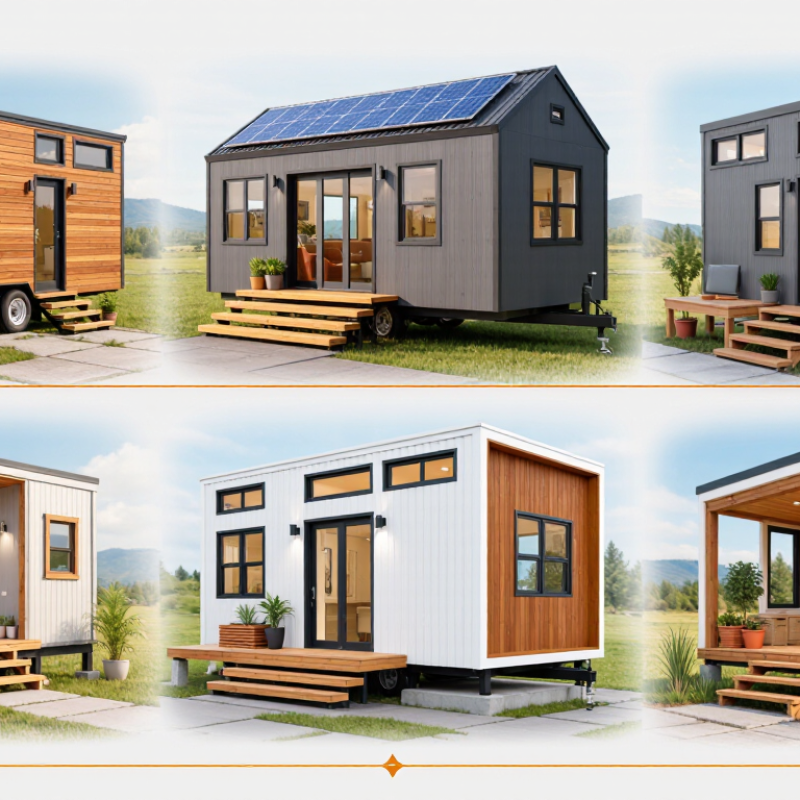
There is no universal winner. A towable home may offer flexibility, while a foundation-based model may better suit someone seeking a more settled setup. Each option brings trade-offs. Some homes photograph beautifully but provide little room for coats, cleaning supplies, or muddy shoes. That is easy to miss. Our shortlist aims to make those everyday compromises visible, not to promise that one design will suit everyone. Read the comparisons with your own needs in mind, and treat unclear costs or vague specifications as reasons to ask more questions. A smaller home can feel generous, but only when its design works beyond the showroom.
What Are the Best Tiny Living Homes to Buy in 2026?

Understanding Tiny Living Homes and Their Main Types

Tiny living homes are compact dwellings, but listings do not always use one consistent definition. The 2021 International Residential Code’s Appendix AQ defines a tiny house as 400 square feet or less, excluding lofts; local adoption can vary. That matters when checking floor plans, permits, and what a seller counts as usable space. Grand View Research estimated the global tiny homes market at about $5.8 billion in 2023 and projected 4.8% annual growth through 2030. These are market estimates, not guarantees of resale value. Space is unforgiving.

The main types suit different routines. On-wheels homes can be moved, but towing capacity, hookups, and storage affect daily comfort. Foundation-built homes offer a more settled feel, though the site and utility connections need careful checks. Factory-built modular homes arrive in sections and may reduce on-site work, but delivery access can become a surprise cost. For scale, U.S. Census Bureau data put the average new single-family home at 2,411 square feet in 2023. A tiny home is a sharp reduction. Before choosing, picture ordinary moments: opening a cupboard while someone cooks, drying wet coats, or carrying groceries up a loft ladder. Floor plans rarely show those frustrations clearly.

How to Evaluate Tiny Homes for Purchase in 2026

What Are the Best Tiny Living Homes to Buy in 2026?

How to Evaluate Tiny Homes for Purchase in 2026

The best tiny home is the one that fits your daily routine, budget, and intended location—not simply the one with the prettiest photos. Measure the space you actually need for sleeping, cooking, storage, and work. A 28-foot layout may look roomy online, yet feel tight when two people pass beside the kitchen counter. Check ceiling height, door clearance, window placement, and whether furniture can be moved inside.

Look beyond finishes. Ask for written details on the frame, insulation, windows, plumbing, electrical systems, and included appliances. Request a complete price that identifies delivery, setup, utility connections, and optional upgrades. Confirm local placement and occupancy requirements before paying a deposit, since rules vary by location. Review the warranty and how repairs are handled. A polished model can conceal awkward storage or noisy ventilation. That matters. Even with careful checks, comparing homes can feel less certain than expected.

Tips: Bring a tape measure and a checklist to viewings. Open every cabinet, test taps and switches, and stand in the shower. Ask what is excluded from the quoted price. Take notes before comparing models; small details are easy to forget.

What Are the Best Tiny Living Homes to Buy in 2026? - How to Evaluate Tiny Homes for Purchase in 2026
Evaluation Dimension What to Compare Practical Check Why It Matters
Home format Trailer-mounted tiny home, home on a permanent foundation, park model, or factory-built modular unit. Match the format to the intended use, land, transport needs, and local rules. Ask how the unit is classified and what standards it was built to. Different formats can have different occupancy, zoning, financing, insurance, and installation requirements.
Floor area Usable interior area, including a clear explanation of whether lofts and storage areas are counted. Measure the spaces you will use daily and compare the stated floor area with a dimensioned floor plan. In the U.S., the International Residential Code’s Appendix Q addresses tiny houses up to 400 square feet, excluding lofts; adoption and definitions vary by jurisdiction. Advertised area can be calculated differently, and local building rules may define a tiny home differently.
Transport dimensions Overall width, height, length, and loaded weight for a towable unit. For U.S. road planning, 8.5 feet wide and 13.5 feet high are commonly used envelope checks, not universal approvals. Confirm route, permits, towing capacity, and actual loaded dimensions with the relevant authorities. A home that fits a site may still be difficult or costly to move legally and safely.
Structure and weather protection Framing details, roof and wall assemblies, flashing, windows, and documented wind, snow, or seismic design where relevant. Request construction drawings, material specifications, and the applicable design or inspection records. Check for water intrusion, soft flooring, and unfinished penetrations. Structural design and moisture control affect safety, durability, and repair costs.
Insulation and ventilation Insulation by building element, air sealing, ventilation equipment, and condensation-control details. Compare the stated insulation values with local climate and code requirements. Ask how bathrooms, kitchens, and sleeping areas are ventilated. Climate-appropriate insulation and ventilation help manage comfort, energy use, and indoor moisture.
Utilities and hookups Electrical service, water supply, wastewater connection, heating, and cooling systems. Get a written hookup diagram and confirm the site can provide the required voltage, amperage, water pressure, drainage, and equipment clearances. Utility compatibility can determine whether the home can be installed and occupied at the intended location.
Layout and accessibility Door and stair dimensions, headroom, circulation space, bathroom access, storage, and sleeping arrangements. Visit a completed unit or review a full-scale layout. Check whether essential functions remain practical without using a loft or ladder. A compact plan should fit everyday routines, mobility needs, and the number of occupants.
Permits and site approval Zoning, building approval, placement rules, utility permits, and any occupancy restrictions. Contact the local planning and building departments before paying a deposit. Obtain written confirmation of the proposed use and installation requirements. Manufacturer specifications alone do not establish that a unit may be placed or occupied on a particular property.
Inspection and documentation Inspection records, code or certification documents, electrical and plumbing documentation, and a detailed list of included equipment. Compare the documents with the exact unit and its serial or identification details. Arrange an independent inspection before final payment when possible. Clear, unit-specific records make it easier to verify condition, compliance, and what is included in the purchase.
Warranty and service Warranty term, covered components, exclusions, claim process, and availability of replacement parts or repairs. Read the complete written warranty and identify who handles structural, appliance, and transport-related issues. Warranty coverage can differ by component and may be limited by maintenance, location, or movement of the home.
Final comparison Total purchase and setup requirements, not just the advertised unit price. Compare written quotes that separately identify delivery, site preparation, foundation or supports, permits, utility connections, taxes, and optional equipment. Installation and site costs can materially change the total amount needed to make a home usable.

Best Tiny Living Homes to Buy in 2026 by Category

What Are the Best Tiny Living Homes to Buy in 2026?

Best Tiny Living Homes to Buy in 2026 by Category

For year-round living, a foundation-based tiny home is often the most practical category. It can offer proper insulation, full-size plumbing, and room for built-in storage. Check the wall and roof specifications, not just the staged interior. Ask how the home handles local weather and who completes utility connections. A beautiful kitchen cannot fix poor ventilation. Measure twice.

For buyers who need flexibility, a towable tiny home may suit occasional moves or a smaller site. Compare its actual weight with your vehicle’s rated towing capacity, and inspect the hitch, brakes, and storage layout. A compact bathroom can look fine in photos but feel cramped after a week. Try the doors and fixtures in person if possible. Details matter.

Modular and prefabricated homes can be a strong fit when predictable construction time is important. Before paying a deposit, confirm what the quoted price includes, such as delivery, site preparation, and installation. Buyers seeking greater energy independence can also compare homes designed for solar power and water storage, while checking realistic system capacity. I would not choose a category from renderings alone; specifications and a clear installation plan deserve equal attention.

Costs, Financing, and Regulations for Tiny Home Buyers

A tiny home’s advertised price is only the starting point. Ask for an itemized quote covering delivery, setup, appliances, and utility connections. A compact home may still need a costly foundation, driveway, septic system, or well. Get site-work estimates before paying a deposit. A sloping lot can change the budget quickly. Keep a contingency fund; exact costs are hard to predict. It is easy to focus on the floor plan and overlook the muddy access road or electrical hookup. That adds up.

Financing depends on how the home is built, titled, and used. Some lenders consider qualifying models for vehicle-style loans, while others may require land, a permanent foundation, or different documentation. Compare the total repayment cost, not just the monthly payment. Read every clause. Local rules can determine whether a tiny home may sit on a lot, serve as a full-time residence, or connect to specific utilities. Requirements vary by location and may distinguish movable units from foundation-built homes. Before buying, confirm zoning, building permits, occupancy rules, and utility approvals directly with the relevant local offices. Get key answers in writing. A seller’s confident estimate is not a permit, and this is one area where I would rather be overly cautious than surprised.

How to Choose and Purchase the Right Tiny Home

Choosing a tiny home starts with an honest picture of ordinary days, not attractive listing photos. Decide whether you need a movable trailer or a home placed on a permanent foundation. Then measure the spaces you use: bed length, kitchen counter, doorway width, and room to open the bathroom door. Measure twice. A staged room can feel generous; a wet coat and laundry basket change the picture.

Compare total costs, not just the advertised price. Ask for a written list of what is included, such as appliances, delivery, foundation work, utility connections, and setup. Inspect construction details closely. Look for clear information about insulation, ventilation, plumbing access, and moisture control. If an in-person inspection is not possible, request detailed photos and an independent inspection before final payment. Small flaws matter in a compact home.

Before paying a deposit, confirm that the home can be placed on your intended site and that local planning requirements, access, and utilities have been checked. Ask how delivery works on your road and who handles unexpected setup costs. Read warranty terms and payment milestones carefully. Keep a contingency fund; estimates can miss things. Even careful comparisons leave some uncertainty, so prioritize a layout you can live with over extras that look impressive online.

Seraphinite AcceleratorOptimized by Seraphinite Accelerator
Turns on site high speed to be attractive for people and search engines.