...

10 Tips for Buying Simple Homes Worldwide?

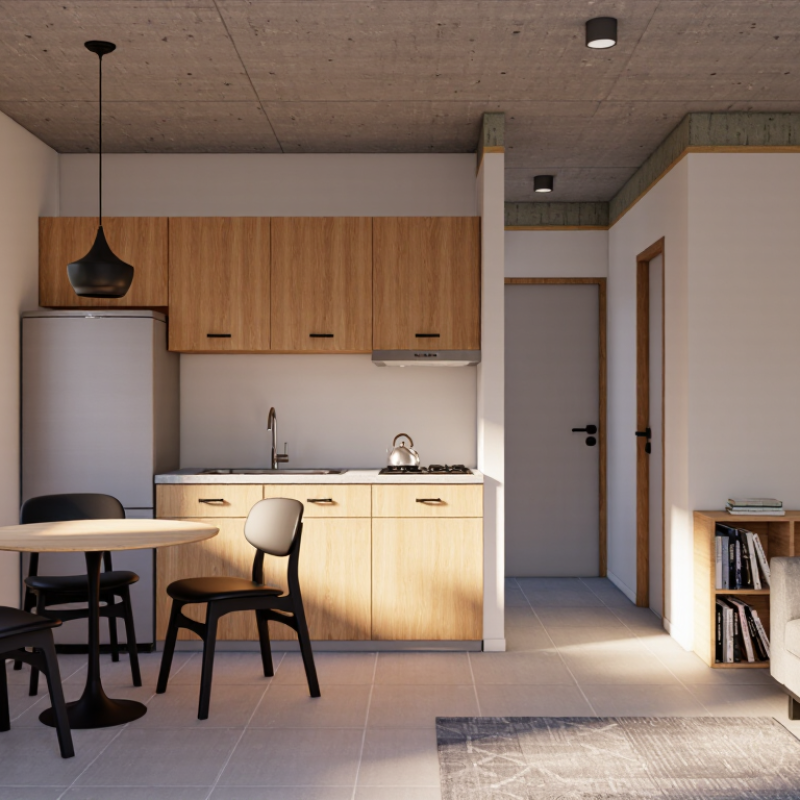
Buying a home across borders can look wonderfully simple: a small kitchen, durable walls, sunlight through one window, and enough space for daily life. Yet simple homes are not simple purchases. Prices, building standards, taxes, insurance, financing, and local customs can change sharply between countries.

The World Bank reports that about 56% of the world’s population lived in urban areas in 2021, with urban growth expected to continue. This pressure can make modest properties surprisingly expensive. UN-Habitat’s World Cities Report 2022 also highlights a continuing global shortage of adequate, affordable housing. These findings suggest that buyers should examine more than listing prices. A low-cost house may require costly repairs, transport, permits, or energy upgrades.

Energy performance deserves attention. The United Nations Environment Programme’s 2023 Global Status Report for Buildings and Construction states that buildings and construction produced approximately 37% of global energy-related emissions in 2022. A poorly insulated roof may quietly become a monthly financial burden. A charming rural home might also sit far from hospitals, schools, or reliable internet.

The ten tips in this guide focus on practical decisions, from checking ownership documents to estimating long-term maintenance. They draw on international housing research and common professional due diligence practices. Still, no checklist can replace qualified local advice. Markets are different. Reports can lag behind reality. Even experienced buyers can miss a drainage problem hidden beneath fresh paint. That uncomfortable possibility matters. A thoughtful purchase balances price, safety, livability, and future flexibility rather than chasing the smallest number on a property website.
10 Tips for Buying Simple Homes Worldwide?

Defining What Makes a Home Simple and Suitable for Your Needs

A simple home is not merely a small house with fewer rooms. It should support your daily routines without creating unnecessary costs or maintenance. Define your real needs before viewing properties. Consider sleeping space, cooking habits, storage, privacy, and access to work or schools. A clear list prevents attractive details from distracting you.

Climate changes the meaning of suitable. In a humid coastal area, inspect ventilation, window seals, and signs of mold. In a cold region, check insulation, heating efficiency, and pipe protection. Strong sunlight can make a bright room uncomfortable without shade. Notice the floor temperature, air movement, and outdoor noise during your visit. Leave room.

Practical checks matter as much as appearance. Examine water pressure, electrical outlets, drainage, roof condition, and repair records. Ask how often the property needs painting or servicing. Confirm local ownership rules, building permissions, taxes, and utility reliability through qualified local professionals. A low purchase price may hide expensive transport, repairs, or energy bills. Stay skeptical. I once underestimated storage and regretted it when seasonal items filled the hallway. That imperfect experience taught me to measure every cabinet, doorway, and appliance space. A modest home can feel generous when its layout matches your habits, but unsuitable when it forces constant compromise.

Setting a Budget and Comparing Housing Costs Across Countries

10 Tips for Buying Simple Homes Worldwide?

A realistic budget starts with more than the advertised price. Add taxes, inspections, insurance, utilities, registration fees, and immediate repairs. In housing comparisons, these overlooked costs often change the final decision. Keep a reserve of 10 to 15 percent for unexpected work. It may feel uncomfortable. However, a leaking roof or damaged wiring can quickly consume savings. Set a maximum monthly payment, even if local lenders offer more. Your budget should protect daily life, not only secure a property.

Compare countries with the same measurements. Check price per square meter, average rent, household expenses, transport, and utility bills. Convert prices using several recent exchange rates, not one convenient figure. Currency changes can weaken an apparently affordable purchase. Review reliable government statistics and reports from qualified local housing professionals. Then confirm neighborhood prices with several independent listings. One source is not enough. Rural homes may cost less, but heating, road access, and renovation materials can cost more. A simple house is not always a simple project.

Before choosing, create three budgets: comfortable, cautious, and emergency. Include travel, professional advice, furnishing, and six months of running costs. Ask an independent inspector to examine moisture, foundations, plumbing, and electrical systems. Also verify ownership records and local restrictions through a qualified professional. My view has changed on “cheap” homes; low prices sometimes hide years of maintenance. Leave room to reconsider after seeing the house in person, especially during difficult weather.

Researching Locations, Ownership Laws, and Local Property Markets

10 Tips for Buying Simple Homes Worldwide

A simple home may look affordable, but location often determines its real cost. Compare nearby prices, not just online asking prices. Walk through the area at different times of day. Listen for traffic, check drainage, and inspect the distance to food shops and medical services. A quiet street at noon may feel very different after dark.

Ownership rules require careful, country-specific research. Confirm whether foreigners can own land, houses, or only long-term use rights. Check restrictions near borders, coasts, farmland, or protected areas. Use the official land registry where available. Ask an independent local property lawyer to verify title, unpaid taxes, building permits, and access roads. Do not rely only on a seller’s translation or verbal promise. Laws and administrative practices can change.

Local market data should include more than the purchase price. Estimate transfer taxes, registration fees, insurance, repairs, utilities, and regular maintenance. Compare several recent sales in similar neighborhoods. A basic house with an old roof may become expensive during the first rainy season. Speak with residents, builders, and surveyors, but test their opinions against documents. This process is slower than browsing listings. It is also more reliable. Even a careful checklist can miss hidden problems, especially where records are incomplete. Keep written evidence, question unusually low prices, and pause when the legal position remains unclear.

Assessing Construction Quality, Utilities, Maintenance, and Future Risks

A simple home is only simple when its hidden systems are dependable. Before purchase, inspect roof junctions, foundations, drainage, and load-bearing walls. Look for diagonal cracks, fresh paint over stains, soft timber, and uneven floors. A qualified local surveyor should test moisture, wiring, and structural movement. Photographs help, but they cannot replace opening suspicious panels. That lesson is easy to forget.

Utilities deserve a separate risk calculation. The International Energy Agency’s Energy Efficiency 2023 report says buildings consume about 30% of global final energy. Poor insulation can make a modest house expensive to operate. Check water pressure during peak hours, septic capacity, electrical grounding, backup heating, and internet availability. The WHO and UNICEF 2023 Joint Monitoring Programme estimates that 2.2 billion people lacked safely managed drinking water in 2022. Clear-looking well water is not automatically safe. Request laboratory testing and twelve months of utility bills.

Maintenance planning should include local labor, spare materials, and storm access. The IPCC Sixth Assessment links climate change with increasing risks from heat, flooding, wildfire, and water stress. Map the property against historical flood lines and projected hazards. Check insurance exclusions, road access, drainage routes, and emergency power requirements with local professionals. Set aside a realistic annual maintenance fund. Ten percent may be excessive or inadequate. Regional age, materials, and exposure matter more. Do not trust a perfect viewing. Future resale can suffer when utilities, permits, or climate records remain unclear.

Completing Due Diligence, Negotiations, Contracts, and Purchase Procedures

Buying Simple Homes Worldwide: Due Diligence, Negotiations, Contracts, and Purchase Procedures

A simple home can conceal complicated ownership records. Before negotiating, order an independent inspection, verify title and boundaries, and compare registry records with the seller’s documents. The 2024 Profile of International Transactions in U.S. Residential Real Estate reported $42 billion in foreign-buyer purchases, with a median price of $475,000. Those figures show why careful verification matters across markets. A spreadsheet can still miss a leaking roof.

Ask for utility bills, permits, tax receipts, and records of structural repairs. Check flood, fire, and land-use risks through official local sources. UN-Habitat projects that nearly 68% of the global population will live in urban areas by 2050. Growing demand may affect prices, access, and future development near a modest property. I still find one weakness in my process: photographs make repairs look smaller than they are.

Negotiations should separate the price from included fixtures, repair credits, payment dates, and handover conditions. Put every promise into the contract. Local legal counsel should confirm ownership, foreign-buyer eligibility, taxes, inheritance rules, zoning, and required approvals. Use an escrow or regulated payment process where available. Never transfer funds solely because a message feels urgent. The final procedure should include a notarized or officially registered transfer, document translation when required, and confirmation that the seller has cleared outstanding charges. Keep copies of every receipt and signed page.

10 Tips for Buying Simple Homes Worldwide? - Completing Due Diligence, Negotiations, Contracts, and Purchase Procedures

No. Buying Stage Practical Tip Key Checks or Actions Documents or Evidence Typical Timing
1 Define the Purchase Brief Set a realistic budget, preferred location, property size, intended use, and maximum renovation tolerance before viewing homes. Separate the purchase price from taxes, registration charges, professional fees, insurance, utilities, and repairs. Confirm whether foreign ownership is permitted. Written budget; proof of funds; local ownership rules; preliminary tax information. 1–3 weeks
2 Verify the Seller and Ownership Confirm that the person negotiating the sale has legal authority to sell the property. Compare the seller’s identity with the official ownership record. For an estate, trust, or jointly owned home, verify every required signature and authorization. Government-issued identification; title register extract; power of attorney; probate or ownership authorization where applicable. 1–4 weeks
3 Search the Title and Liens Do not rely only on a listing, private contract, or seller’s statement; obtain an official property search. Check mortgages, court claims, unpaid charges, easements, leases, co-ownership interests, boundary notes, and restrictions on transfer. Recent title search; cadastral plan; lien release or lender payoff statement; written confirmation of outstanding charges. 1–3 weeks
4 Inspect the Physical Condition Use an independent building professional rather than relying on a viewing or seller-provided inspection. Inspect structure, roof, damp, drainage, electrical systems, plumbing, heating, insulation, pests, access, and visible safety risks. Written inspection report; repair estimates; photographs; specialist reports for structural or environmental concerns. 1–2 weeks
5 Confirm Planning and Building Compliance Make sure the existing home and any extensions are legally recorded and approved. Compare the actual building with approved plans. Check zoning, permitted use, renovation restrictions, heritage controls, occupancy approval, and short-term rental rules. Planning certificate; approved plans; building permits; occupancy certificate; zoning and land-use information. 2–6 weeks
6 Investigate Location Risks Assess the wider area, not only the home itself. Review flood, wildfire, earthquake, coastal, landslide, access, noise, pollution, and infrastructure risks. Visit at different times of day if possible. Official hazard maps; local infrastructure information; access rights; utility connection records; independent site observations. 1–3 weeks
7 Calculate the Full Transaction Cost Compare the total acquisition cost, not just the advertised price. Request written estimates for transfer taxes, registration, legal or notarial services, survey work, financing, insurance, currency conversion, and immediate repairs. Itemized cost sheet; tax assessment; fee quotations; insurance estimate; renovation budget with contingency. 1–2 weeks
8 Negotiate with Conditions Negotiate the price and the risk allocation at the same time. Base the offer on verified defects, comparable local transactions, required work, included fixtures, completion date, and the outcome of legal and technical checks. Written offer; list of included items; repair credits; agreed conditions; proposed completion timetable. Several days–3 weeks
9 Review and Sign the Contract Have an independent local property lawyer or legally qualified conveyancer review the contract before signing or paying a deposit. Confirm parties, property description, price, currency, deposit treatment, completion conditions, default remedies, vacant possession, included items, and dispute procedures. Bilingual contract where needed; title documents; deposit receipt; written amendments; identity and authorization records. 1–3 weeks
10 Complete Registration and Handover Treat completion as a documented legal and practical process, not simply the exchange of keys. Verify cleared funds, final title status, tax payment, registration filing, utility transfers, insurance, keys, access devices, meter readings, and final condition. Completion statement; registered deed or title update; tax receipts; handover inventory; meter records; insurance confirmation. 1–8 weeks after signing

Note: Procedures, taxes, ownership restrictions, registration systems, and completion timelines differ substantially by jurisdiction. Confirm current requirements with the relevant public authority and an independent locally qualified property professional before committing funds.

Seraphinite AcceleratorOptimized by Seraphinite Accelerator
Turns on site high speed to be attractive for people and search engines.