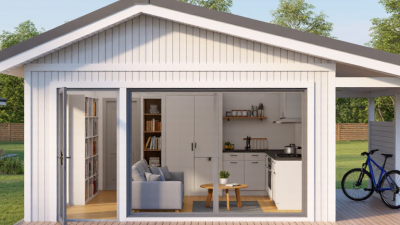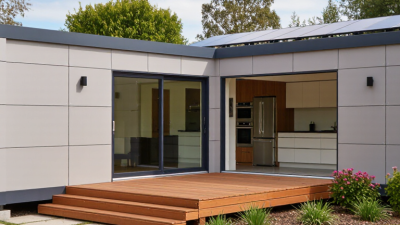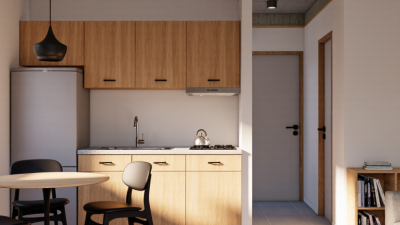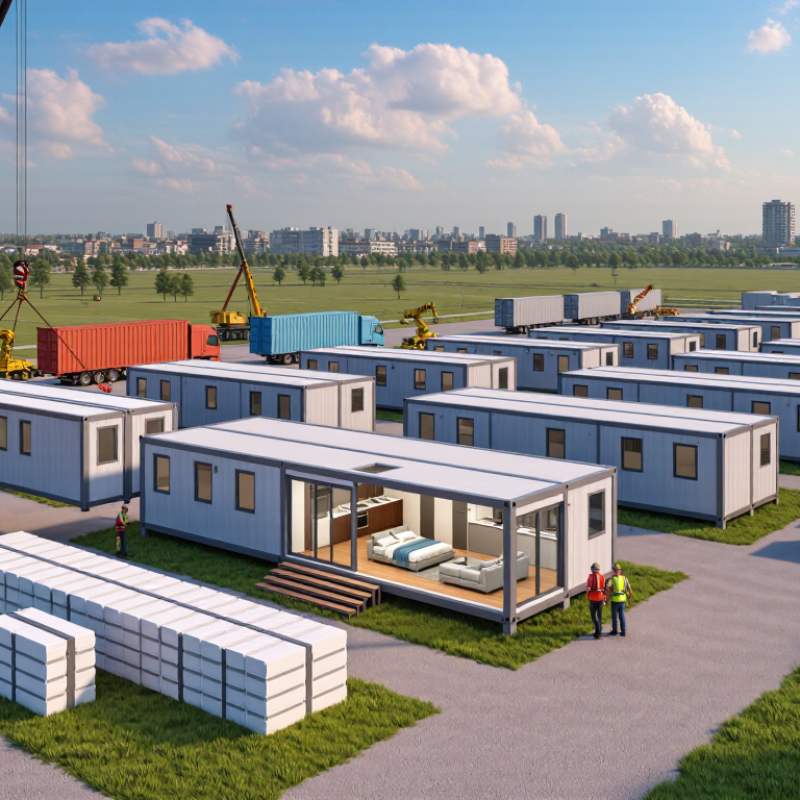
Expandable homes are factory-built dwellings designed to grow after delivery. Their folded modules travel compactly, then unfold or extend into bedrooms, kitchens, and living areas. Crews connect utilities, level the structure, and seal joints on site. This process can reduce construction waste and shorten installation time, but results depend heavily on transport access and local ground conditions.
Their global appeal is measurable. Grand View Research valued the worldwide modular construction market at about USD 91.8 billion in 2023. It forecasts a 7.5% compound annual growth rate through 2030. McKinsey also reported that modular methods can reduce project schedules by 20% to 50% in suitable cases. These figures explain buyer interest in emergency accommodation, workforce housing, rural clinics, and compact urban projects. Speed matters.
Affordability is less certain. I would not call every expandable unit a low-cost home. Imported freight, cranes, foundations, insulation upgrades, and permits can change the final price sharply. UN-Habitat estimates that 2.8 billion people may need adequate housing by 2030, increasing pressure for faster solutions. Buyers should inspect welding points, weather seals, fire ratings, wind resistance, and after-sales repair capacity. A factory visit helps. So does checking independent test documents. The industry still needs clearer lifetime-cost data, especially for repeated folding mechanisms and harsh climates.