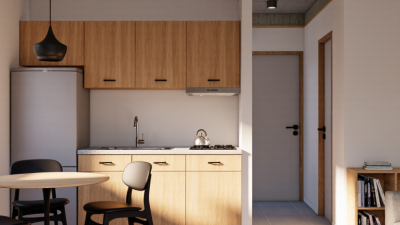
...

China Top 10 Expandable Homes Suppliers for Global Buyers

Expandable homes are moving from niche housing concepts into practical solutions for rapid, flexible accommodation. Their factory-built modules can unfold on site, creating bedrooms, kitchens, and living areas within hours. The details matter. Door seals, hinge strength, insulation, and transport width often determine real performance.

Industry data supports cautious optimism. McKinsey & Company reported that modular construction could create more than US$100 billion in annual value across major markets, while reducing project timelines by up to 50 percent. Grand View Research valued the global modular construction market at approximately US$91.65 billion in 2023. However, these figures cover broader modular buildings, not expandable homes alone. The market is not perfectly measured.

Dr. Thomas Bock, a recognized construction-automation researcher, has described construction as “the last industry to be automated.” His observation remains relevant here. Chinese manufacturers increasingly combine automated welding, digital design, insulated panels, and containerized logistics. Yet, factory claims still require careful checking. A polished showroom does not guarantee reliable delivery.

This guide examines China’s top 10 expandable homes suppliers for global buyers. It considers manufacturing experience, certification transparency, customization capacity, after-sales support, export records, and installation guidance. Buyers should request structural drawings, material specifications, fire-performance documents, and references from completed projects. A home that expands beautifully in a product video must also withstand rain, repeated folding, long-distance shipping, and everyday family use. Some suppliers will impress. Others may expose gaps. That is useful, because responsible sourcing begins with honest comparison.

China Top 10 Expandable Homes Suppliers for Global Buyers

What Are Expandable Homes and Why Are They Popular Globally?

Expandable homes are factory-built dwellings designed to grow after delivery. Their folded modules travel compactly, then unfold or extend into bedrooms, kitchens, and living areas. Crews connect utilities, level the structure, and seal joints on site. This process can reduce construction waste and shorten installation time, but results depend heavily on transport access and local ground conditions.

Their global appeal is measurable. Grand View Research valued the worldwide modular construction market at about USD 91.8 billion in 2023. It forecasts a 7.5% compound annual growth rate through 2030. McKinsey also reported that modular methods can reduce project schedules by 20% to 50% in suitable cases. These figures explain buyer interest in emergency accommodation, workforce housing, rural clinics, and compact urban projects. Speed matters.

Affordability is less certain. I would not call every expandable unit a low-cost home. Imported freight, cranes, foundations, insulation upgrades, and permits can change the final price sharply. UN-Habitat estimates that 2.8 billion people may need adequate housing by 2030, increasing pressure for faster solutions. Buyers should inspect welding points, weather seals, fire ratings, wind resistance, and after-sales repair capacity. A factory visit helps. So does checking independent test documents. The industry still needs clearer lifetime-cost data, especially for repeated folding mechanisms and harsh climates.

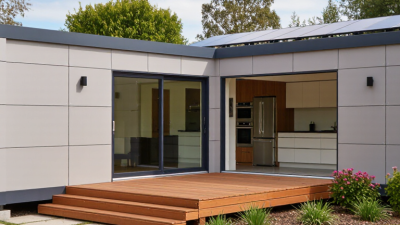
Key Criteria for Evaluating Chinese Expandable Home Suppliers

Key Criteria for Evaluating Chinese Expandable Home Suppliers

A reliable supplier should prove factory capability, not only display attractive renderings. McKinsey’s 2019 modular construction report found that industrialized building can shorten project schedules by 20–50% and reduce costs by up to 20%. Ask for production records, welding procedures, material traceability, and independent inspection reports. Factory visits matter. Photos are not enough.

Technical compliance deserves careful checking. Request structural calculations for local wind, snow, seismic, and corrosion conditions. Confirm fire ratings, insulation values, electrical systems, plumbing layouts, and emergency exits. The International Energy Agency reported that buildings consumed about 30% of global final energy in 2022. Therefore, compare tested U-values, air-tightness details, and ventilation performance, rather than accepting vague “energy-saving” claims. Certificates should match the actual model and factory.

Shipping and installation can expose weak suppliers. Check folded dimensions, container loading plans, lifting points, spare-part lists, and on-site training. Require a written warranty with response times and clear exclusions. Speak with recent overseas customers when possible. One uncomfortable lesson is that the lowest quotation may hide redesign, port handling, or foundation costs. I would also inspect a finished unit after repeated opening and closing; laboratory tests may not reflect rough daily use. Some evaluations remain imperfect, but transparent evidence is more valuable than polished promises.

China Top 10 Expandable Homes Suppliers for Global Buyers

Key Criteria for Evaluating Chinese Expandable Home Suppliers

The chart presents a practical 100-point evaluation framework for global buyers. Compliance and documentation receive the highest weighting because export eligibility, building-code alignment, product certification, and traceable technical files are essential for cross-border projects. Structural safety, weather resistance, customization, production capability, after-sales support, and commercial transparency complete the supplier assessment.

The percentages represent recommended decision weights, not the performance results of any specific company or brand.

China’s Top 10 Expandable Home Suppliers for International Buyers

China’s Top 10 Expandable Home Suppliers for International Buyers are often compared by more than factory price. Reliable suppliers should provide structural drawings, material specifications, production photos, and export documentation. Buyers should also confirm whether the homes meet local building codes, fire standards, insulation rules, and electrical requirements.

A capable supplier can explain the full process clearly. This includes design confirmation, steel-frame fabrication, folding mechanisms, waterproofing, interior installation, container loading, and site assembly. Ask for details about galvanized steel thickness, roof drainage, window sealing, and insulation performance. A practical supplier should also offer factory inspections and sample testing before shipment. Small details matter.

Communication remains a major concern. Some suppliers respond quickly before payment, then become difficult during customization. That risk deserves attention. International buyers should request a written quotation, production schedule, warranty terms, spare-part policy, and installation guidance. Independent inspections can reveal uneven welding, weak hinges, damaged panels, or incomplete wiring. Product images are not enough.

The strongest choices among China’s top ten suppliers usually combine engineering experience with transparent quality control. They can adapt layouts for bedrooms, bathrooms, kitchens, offices, or temporary accommodation. However, buyers should not assume every supplier handles overseas projects equally well. Local permits, foundations, transport access, climate, and labor costs can change the final budget. Careful verification is still necessary.

Product Features, Customization Options, and Export Capabilities

China’s expandable homes are designed for buyers who need fast installation, compact shipping, and practical living space.

A folded unit can arrive in a standard container, then expand into bedrooms, kitchens, bathrooms, or work areas. Hydraulic or manual expansion systems reduce onsite labor, although operating quality varies by model.

Typical features include insulated sandwich panels, corrosion-resistant steel frames, double-glazed windows, and durable flooring. These materials support different climates, but local building requirements still need careful checking.

That matters.

Customization usually covers floor plans, window positions, doors, kitchens, bathrooms, lighting, and exterior finishes.

Buyers can request stronger insulation for cold regions or improved ventilation for hot, humid sites. For coastal projects, protective coatings and stainless-steel fittings may reduce maintenance concerns.

Factories can also adjust wiring, plumbing layouts, furniture sizes, and accessibility details. In practice, every change affects cost, weight, or production time.

Small drawing errors become costly onsite. Approved drawings and sample materials should be reviewed before manufacturing begins.

Export capability involves more than loading a container.

Reliable suppliers prepare reinforced packaging, moisture protection, loading plans, and clear installation manuals. They should provide material certificates, packing lists, product drawings, and inspection records.

Experience with customs documents and destination standards can prevent avoidable delays. Independent pre-shipment inspections may verify dimensions, finishes, electrical points, and expansion mechanisms.

Some suppliers promise short lead times too confidently. Buyers should confirm production milestones, replacement-part support, and warranty responsibilities in writing.

Clear communication reduces risk, but it cannot replace careful technical review.

How Global Buyers Can Select and Purchase the Right Supplier

Choosing among China’s top 10 expandable home suppliers requires more than comparing catalog photos and prices. Global buyers should examine factory experience, production capacity, and export records. Ask for recent project references, audited business details, and clear product specifications. A reliable supplier should explain steel grades, insulation thickness, folding mechanisms, and expected service life.

Request drawings before discussing the final price. Check floor loading, wind resistance, snow loads, fire performance, and electrical compatibility for the destination country. Suppliers should provide relevant test reports and support local building approvals. Review the quotation carefully. It should separate the unit cost, packaging, inland transport, shipping, installation guidance, and spare parts.

Small details matter.

Ask how seals perform after repeated folding. Request photos of corner joints, drainage channels, lifting points, and interior wiring. A sample inspection or independent pre-shipment check can reveal loose fittings, uneven panels, or damaged finishes. Use staged payments linked to measurable production milestones, not promises alone. Confirm warranty coverage, response times, replacement-part availability, and communication channels.

The lowest offer may hide weak insulation or expensive site work. I have seen attractive specifications fail because the buyer ignored local foundations and crane access. Supplier evaluation is never perfect; documents can be incomplete, and factory visits may show only selected areas. Keep written records, verify critical claims independently, and leave room for technical revisions before mass production.

Seraphinite AcceleratorOptimized by Seraphinite Accelerator
Turns on site high speed to be attractive for people and search engines.