China’s contemporary house manufacturers are increasingly judged by more than striking façades. Buyers also need dependable delivery, clear specifications, and components that perform well in daily use. The United Nations Environment Programme and Global Alliance for Buildings and Construction reported that buildings used 32% of global energy in 2023 and produced 34% of energy- and process-related carbon dioxide emissions. These figures describe the global sector, not China alone. Still, they explain why insulation, airtightness, material choices, and construction waste deserve attention when comparing suppliers.
A factory-rendered image tells only part of the story. A useful comparison also examines panel dimensions, window and door specifications, structural documentation, production quality controls, and the proposed installation process. Ask how the manufacturer handles transport, site access, and changes to the design. Details matter. A small gap around a window can undermine an otherwise carefully planned building envelope. So can unclear responsibility between the factory and local installation team.
This guide introduces ten Chinese manufacturers associated with contemporary house design and considers the evidence buyers can verify. Company portfolios, export experience, certifications, and project references may help, but they do not guarantee identical results on every project. Treat marketing claims as starting points. Request recent project records and written technical specifications, then compare them against your site, budget, and intended use. Some information may remain difficult to verify; that deserves a closer look, not an assumption.
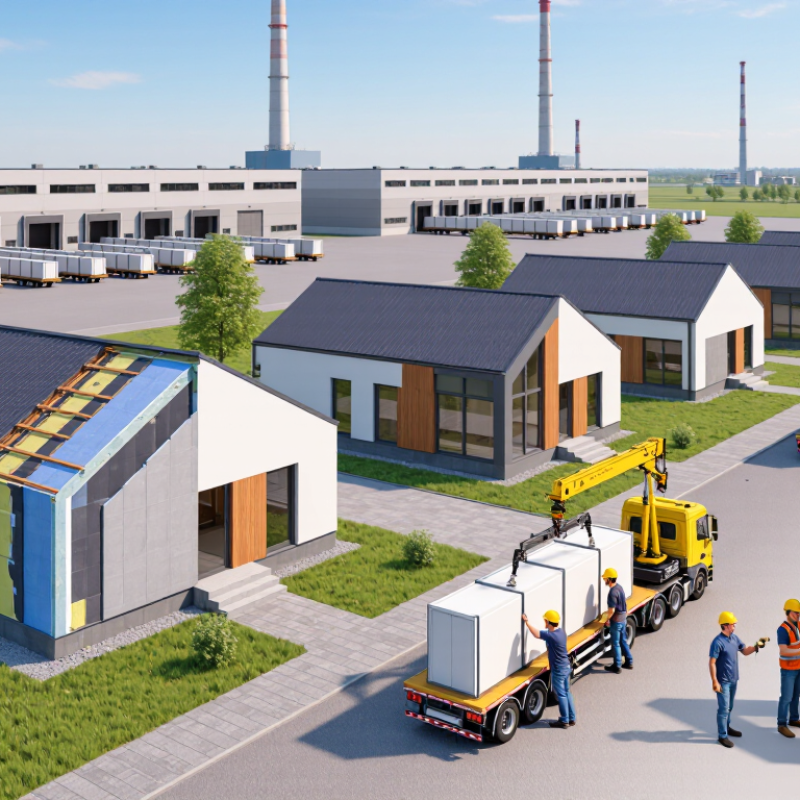
A contemporary house manufacturer in China is more than a factory producing modern-looking modules. It should connect architectural design with structural engineering, material selection, and practical assembly. Clean lines matter, but so do insulation, ventilation, drainage, and safe electrical layouts. Ask how the design responds to local climate and site conditions. A glass-heavy façade may look striking in a rendering, yet perform poorly without suitable shading and thermal planning.
Evidence matters. Look for clear drawings, material specifications, documented quality checks, and test reports that match the proposed building system. Ask how factory inspections are recorded and how components are protected during shipping. Good answers should be specific, not just reassuring. Check whether the manufacturer can explain tolerances, connection details, and what happens when a site measurement changes. Details reveal competence.
Support after delivery is part of the product. Confirm what installation guidance, replacement parts, and technical documents are included, and who handles questions during assembly. Export experience can help, but it does not guarantee a fit for every destination. Ask for references from projects with similar weather and building requirements. Be cautious of vague timelines and unusually broad customization promises. I would still question a polished catalogue if the production process remains unclear. A contemporary home should work well after the photographs are taken.
Assessing China’s contemporary house manufacturers means looking beyond polished renderings. Ask what “modern” means in the actual build: clean rooflines, large glazing, open interiors, or energy-conscious materials. Then compare those features with technical drawings and a detailed scope of supply. A attractive exterior is not enough. Check whether foundations, insulation, windows, wiring, and interior finishes are included or priced separately.
Factory evidence matters. Request recent production photos, inspection records, and specifications for the wall and roof assemblies. If possible, inspect a finished unit or arrange an independent factory visit. Look closely at window seals, panel joints, and the way pipes pass through walls. These small details can reveal more than a showroom tour. No checklist catches everything. Ask how defects are documented and who handles replacement parts after delivery.
Assess the team’s ability to explain customization, transport dimensions, installation steps, and realistic lead times. Clear answers should match the drawings and written quote. Compare warranty terms and ask for references from completed projects with similar size and climate conditions. A lower initial price may omit important work; request an itemized breakdown. I would still keep some uncertainty in the decision: one factory visit cannot prove every future unit will meet the same standard. Verify claims against records, samples, and contract details before choosing a manufacturer.
A practical look at the top 10 contemporary house manufacturers in China should focus on how they build, not just how their homes look. Strong manufacturers can explain their structural systems, insulation choices, window specifications, and factory quality checks in plain language. Ask for drawings, material schedules, and photographs of completed projects. Details matter: a roof junction, sealed window frame, or bathroom threshold can reveal more than a polished showroom image.
Compare each manufacturer’s customization process and installation support. Some offer flexible floor plans; others rely on standard modules to keep production consistent. Neither approach is automatically better. Check whether the quoted price includes transport, foundations, on-site assembly, and utility connections. Request a realistic production timeline, too. It may change. Climate suitability deserves specific attention: a home designed for mild coastal weather may need different insulation and moisture protection in a colder or wetter region. Ask how the proposed design responds to local conditions rather than accepting broad performance claims.
A careful shortlist should include verified project references, clear warranty terms, and a named contact for after-sales questions. Confirm which work is completed in the factory and which depends on local contractors. Photos can mislead. I would also compare sample specifications against the final contract, because small substitutions can affect comfort and maintenance. No ranking can replace that review. The most suitable manufacturer is the one whose documentation, workmanship, and support match the project’s actual needs.
Comparing China’s contemporary house manufacturers requires more than attractive renderings. Buyers should examine structural systems, insulation continuity, window performance, and how plans adapt to local climate. A bright sample room is not proof of year-round comfort. The UN Environment Programme’s 2024 Global Status Report says buildings and construction accounted for 34% of global energy demand and 37% of energy- and process-related CO₂ emissions in 2022. That makes energy performance a practical design question, not a decorative extra. Ask for tested wall assemblies, documented thermal values, and clear specifications for finishes.
Production deserves the same scrutiny. Factory-built components can improve repeatability, but only when design drawings, tolerances, and site foundations align. McKinsey’s 2019 report, “Modular construction: From projects to products,” estimates modular methods may shorten project timelines by 20–50% and reduce costs by up to 20%; these are potential gains, not guarantees for every home. Details matter. Compare quality-control records, delivery plans, installation support, and warranty response times—not just quoted production speed. My comparison would still be imperfect without independent site inspections. Ask manufacturers to show completed projects in similar climates, then check whether promised service continues after handover.
Choosing a contemporary house manufacturer in China takes more than comparing prices and attractive renderings. Ask for a project-specific bill of materials, structural drawings, insulation specifications, and recent factory quality records. Details matter. Check how the manufacturer controls moisture barriers, window seals, and connections between modules; these small areas can cause expensive problems later. A polished showroom proves little.
Energy performance deserves close attention. UNEP and the GlobalABC’s 2024 Global Status Report states that buildings and construction account for 32% of global energy demand and 34% of energy-related CO₂ emissions. Request documented thermal and airtightness test results, not just efficiency claims. Also confirm which independent inspections are available and whether the specifications match your destination’s climate and building requirements. Ask who handles shipping damage, replacement parts, and warranty claims. Get answers in writing.
Delivery speed is useful, but only when quality checks keep pace. McKinsey’s 2019 modular-construction analysis estimated that modular methods could reduce project timelines by 20–50% and costs by up to 20%; these are potential gains, not guarantees for every home. Compare the proposed schedule with inspection milestones and payment stages. A factory visit can help, yet one visit cannot reveal every production issue. No checklist is perfect, and rushed decisions can leave gaps.
A practical checklist for comparing manufacturers. These factors are not a company ranking; verify project-specific claims, applicable codes, and documentation independently.
| # | Evaluation Factor | What to Assess | Evidence to Request |
|---|---|---|---|
| 1 | Relevant project experience | Experience with the intended building type, size, climate, and installation method—not just visually similar projects. | Completed-project references, photographs, project scope, and permission to contact previous clients. |
| 2 | Design and engineering capability | Whether the manufacturer can provide coordinated architectural, structural, and building-services information for the proposed system. | Sample drawings, design responsibility matrix, engineering calculations, and details of local professional review requirements. |
| 3 | Building-code and permit readiness | The house must meet requirements applicable to its destination, site, occupancy, and construction system. Factory documentation does not by itself guarantee local permit approval. | A compliance matrix identifying relevant codes and standards, required tests, approvals, and the party responsible for local submissions. |
| 4 | Structural performance | Design suitability for site-specific loads and conditions, including wind, snow, seismic activity, and foundation connections where relevant. | Project-specific structural calculations, connection details, material specifications, and any applicable test reports. |
| 5 | Fire safety and material documentation | Fire performance depends on the complete assembly and intended use; a material certificate alone may not establish system compliance. | Test reports for specified assemblies, product data sheets, and confirmation that the tested configuration matches the offered design. |
| 6 | Thermal, moisture, and acoustic design | Wall, roof, floor, window, and junction details should suit the local climate and manage insulation, condensation, weatherproofing, and sound transmission. | Assembly specifications, thermal and acoustic test data where available, and details for air, water, and vapor control layers. |
| 7 | Factory quality control | Consistent production checks and traceability for materials, dimensions, assembly, finishes, and defects. | Quality-control procedures, inspection records, material traceability samples, and permission for a factory audit or independent inspection. |
| 8 | Scope, customization, and exclusions | Clarify what is factory-completed and what is excluded, such as foundations, site utilities, local permits, appliances, and on-site finishing. | Itemized quotation, scope-of-work schedule, finish specifications, change-order process, and responsibility matrix. |
| 9 | Shipping and installation planning | Transport method, package dimensions, site access, lifting equipment, customs responsibilities, and installation sequence can affect cost and schedule. | Packing list, shipping assumptions, installation manual, delivery terms, and a written allocation of logistics and site-work responsibilities. |
| 10 | Contract, warranty, and after-sales support | Clear payment milestones, delivery obligations, remedies for defects, warranty limits, spare-parts availability, and communication arrangements. | Draft contract, written warranty terms, defect-claim procedure, service contacts, and a defined process for resolving disputes. |