What Are the Top Home Deck Types in 2026?
A home deck can turn a plain back door into a useful outdoor room. In 2026, homeowners can choose from pressure-treated wood, hardwood, composite boards, and PVC decking. Each option changes the feel underfoot, the upkeep routine, and the project’s long-term cost. A sunny breakfast nook has different needs from a shaded space used for muddy boots and garden tools.
Contractor and home-renovation expert Mike Holmes is known for the practical motto, “Make it right.” That principle matters when comparing deck types: attractive boards are only part of a sound project. Buyers should also consider the framing, drainage, fasteners, local weather, and maintenance demands. A composite surface may reduce routine staining, while natural wood offers a familiar grain that can weather and require regular care. No material is perfect.
This guide compares leading home deck choices for 2026, including their strengths, trade-offs, and best uses. It also considers surface comfort, appearance, expected upkeep, and value over time. Product warranties and installation requirements vary, so check current manufacturer guidance and local building rules before choosing. A small detail can change the result: boards that feel pleasant in spring may become hot in full summer sun. Think about how the deck will actually be used, not only how it looks in a showroom.
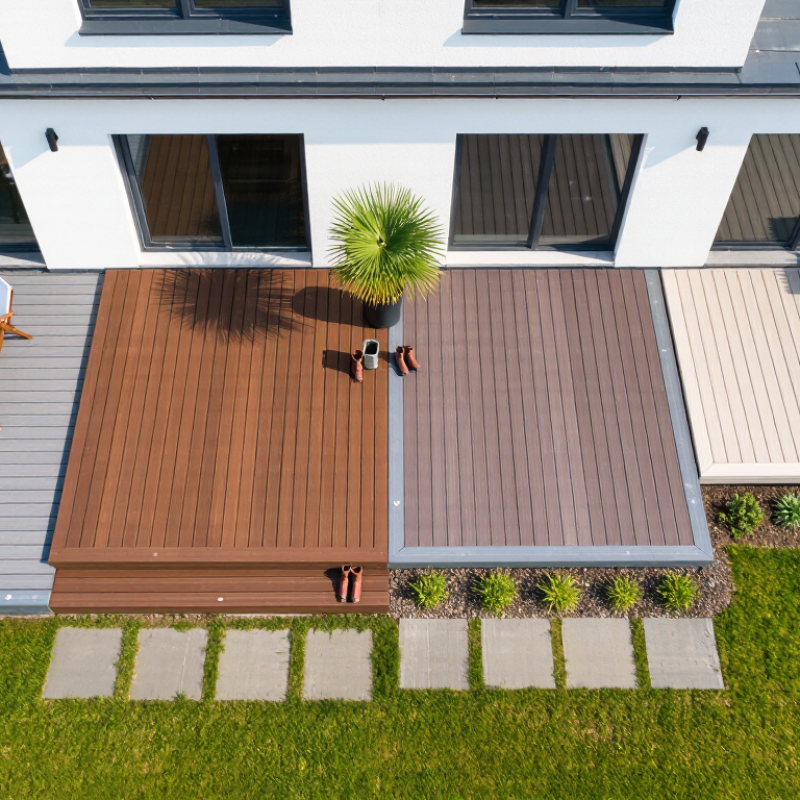
How Home Deck Types Are Classified in 2026
What Are the Top Home Deck Types in 2026?
How Home Deck Types Are Classified in 2026
In 2026, home decks are classified by structure, material, height, and purpose. A ground-level platform usually suits accessible gardens and simple maintenance. An elevated deck needs stronger connections, guardrails, and careful load calculations. A roof deck adds waterproofing concerns, drainage layers, and greater wind exposure.
Material creates another clear category. Freedonia’s 2024 Decking study groups the market into wood, wood-plastic composite, and plastic products. Wood remains valued for its natural grain and repairability. Composite decking usually offers more consistent color and lower routine maintenance. Plastic products resist moisture well, but heat expansion can affect installation details. The categories overlap. A low wood deck and a high composite deck serve different technical needs.
Use also matters. A dining deck needs stable furniture zones and safe lighting. A poolside deck needs slip resistance and fast drainage. A balcony-style deck needs tighter inspection of ledgers and foundations. The National Association of Home Builders reported in its 2024 buyer-preference study that 86% of buyers considered a patio desirable or essential. That figure supports strong demand for outdoor living, but it does not prove every household needs a large deck.
In practice, climate should refine the classification. Coastal sites require corrosion-resistant connectors. Cold regions need frost-aware footings. I have seen attractive layouts fail because drainage was treated as an afterthought. Classification is helpful, but it can oversimplify real homes. Local building codes and a qualified inspection still decide whether a design is suitable.
Natural Wood Decks: Species, Appearance, and Maintenance
Natural wood remains appealing because every board has its own grain, knots, and color shifts. Cedar often looks warm and lightly textured, while redwood tends toward richer reddish tones. Pressure-treated pine is usually less expensive and widely available, but its appearance can be more uniform. These differences matter in daylight: a sample that looks golden indoors may appear much paler across a sunlit deck.
Wood also changes outdoors. Sunlight can fade its original color, and rain may encourage surface checking or mildew where boards stay damp. Keep leaves from collecting between planks, allow airflow beneath the deck, and inspect fasteners and railing connections each year. Cleaning and applying a suitable exterior finish can help preserve color, though no coating stops weathering entirely. Follow the product label, and test a small area first.
Maintenance is part of the choice, not an afterthought. Cedar and redwood may need periodic cleaning and refinishing; treated pine can also require upkeep as it dries and ages. The schedule depends on exposure, drainage, and local conditions. A shaded deck near trees may need different care from one facing strong afternoon sun. I would not choose a species from color alone. Even careful maintenance can feel like a chore, and natural wood will not stay showroom-perfect. That changing surface is part of its character, though not everyone likes it.
What Are the Top Home Deck Types in 2026?
Natural Wood Decks: Species, Appearance, and Maintenance
Janka hardness measures the force required to embed a steel ball halfway into wood. Higher values generally indicate better resistance to dents and surface wear, although installation quality, moisture exposure, and regular maintenance also affect deck longevity.
| Species |
Typical appearance |
Maintenance considerations |
| Western red cedar |
Light reddish-brown tones with pronounced grain |
Soft and lightweight; requires regular cleaning and protection from moisture and ultraviolet exposure |
| Redwood |
Warm red to pink tones with relatively straight grain |
Periodic washing and sealing help slow weathering and color change |
| Douglas fir |
Golden to reddish-brown color with visible grain |
Benefits from consistent sealing because exposed surfaces can absorb moisture |
| Teak |
Honey-brown color that naturally weathers to silver-gray |
Naturally dimensionally stable; cleaning is still needed, while oiling is optional for retaining brown color |
| Ipe |
Deep brown color with fine, tight grain |
Very dense and durable; periodic cleaning and UV-protective oil can help preserve its original color |
Janka hardness values are approximate pounds-force ratings compiled from standard wood property data published by the USDA Forest Products Laboratory. Actual boards vary by grade, moisture content, and source.
Composite and PVC Decks: Materials, Durability, and Cost
Composite and PVC decks are popular choices for homeowners who want less upkeep than traditional wood. Composite boards combine wood fibers and plastic, giving them a textured, wood-like appearance. PVC boards are made from plastic and contain no wood fibers. Both resist rot and insects, but neither is maintenance-free. Dirt, pollen, and food spills still need regular cleaning.
Durability depends on board quality, installation, and local weather. Composite can fade or stain, especially when spills sit in the sun. PVC resists moisture well, though it may become hot underfoot on a sunny afternoon. Feel the surface if possible. Shade and lighter colors can help, but the improvement varies. Small details matter.
Costs are usually higher upfront than basic pressure-treated lumber, and PVC can cost more than composite. Prices vary by region, board profile, railing, and labor, so compare complete project estimates rather than board prices alone. Ask what each quote includes. Check joist spacing and drainage requirements, too. A bargain board can disappoint if installed poorly. I would not assume either material lasts forever; inspect fasteners and framing each year, and keep realistic expectations about color changes.
Aluminum and Other Specialty Decks: Uses and Key Features
Aluminum decking suits homeowners who want a low-maintenance surface that handles rain and seasonal temperature changes. It does not rot or attract insects, and many systems use interlocking boards to direct water away. That can help on exposed balconies or shaded decks where wood stays damp. Still, aluminum is not automatically comfortable underfoot. Dark surfaces can feel hot in direct sun, while hollow boards may sound sharp when walked on. Ask to see a sample in the light and listen to it underfoot.
Other specialty options solve different problems. Mineral-composite boards resist moisture and often provide a stable surface near pools, but their texture and weight vary by product. Cellular PVC is lightweight and does not absorb much water, yet it may expand or contract with temperature, so installation gaps matter. Heat-reflective colors can help, but no deck stays cool in every setting. Compare surface grip when wet, board spacing, framing requirements, and warranty terms. A small mock-up can reveal awkward glare or noise before the full deck is installed. It is easy to overlook those details. The right choice depends on climate, structure, and how the space will actually be used.
How to Compare Deck Types for a Home in 2026
How to Compare Deck Types for a Home in 2026
Choosing a deck starts with how you will use it, not with a material sample. Pressure-treated wood often costs less upfront, but it needs regular cleaning, sealing, and inspections. Cedar and other naturally durable woods offer a warm grain, though color can fade outdoors. Composite boards can reduce routine upkeep, but they may feel hot in direct sun and usually cost more initially. Aluminum is durable and resists rot, yet its appearance and price may not suit every home.
Compare the full ownership picture. Ask how each option handles your local rain, freeze-thaw cycles, or strong sunlight. Check the framing requirements, surface temperature, repair options, and expected maintenance schedule. A shaded breakfast deck has different needs from a sunny poolside platform. If possible, view samples outside; indoor lighting can make colors look misleading. I once underestimated afternoon glare, and that detail changed which finish felt comfortable.
Tips: Get itemized estimates for materials, framing, labor, and upkeep. Ask what happens if one board needs replacement. Check stairs and railings, too. A low initial quote can hide extra work. Compare warranties carefully, but remember that written coverage does not replace sound installation. Leave room in your budget for drainage improvements or an unexpected repair; those costs are easy to overlook.